Enhanced geothermal notches another win as Google buys 400 MW from Fervo
Source Entity
Tim De Chant
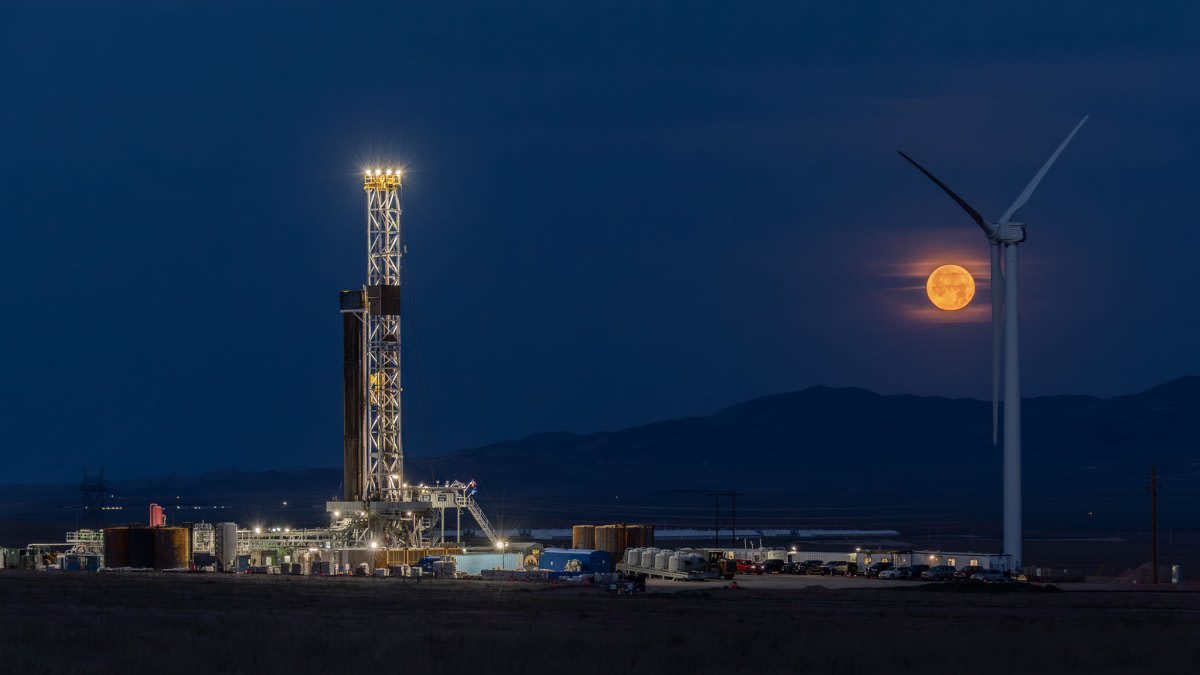
Google has signed a major deal to purchase 396 MW of geothermal power from Fervo Energy to support a new data center in Utah. This agreement, which could expand to 1 gigawatt, marks a significant shift toward firm, round-the-clock clean energy for AI infrastructure.
The Shift Toward Firm Clean Energy: Google's Fervo Partnership
Google has recently solidified its commitment to sustainable infrastructure by entering a significant power purchase agreement with Fervo Energy. The deal involves the procurement of 396 megawatts (MW) of electricity from Fervo’s upcoming Cape Station geothermal project in Utah. This partnership represents a pivotal moment for the technology sector, as it highlights the transition from intermittent renewable sources toward firm, 24/7 carbon-free energy required to sustain the massive power demands of modern AI data centers.
Scaling Geothermal for AI Demands
The scale of this agreement is notable, with the potential to expand to a total of 1 gigawatt of power through an option exercisable by Google until June 2030. Such a capacity is essential for powering high-intensity computing environments, such as the planned Utah data center. Unlike wind or solar, which rely on weather conditions, enhanced geothermal systems (EGS) provide a consistent baseload of power, making them an ideal candidate for hyperscalers attempting to stabilize their energy grids while chasing net-zero emissions targets.
The Strategic Importance of Cape Station
Fervo’s Cape Station is at the forefront of the enhanced geothermal movement. By utilizing advanced drilling techniques adapted from the oil and gas industry, Fervo can access heat in rock formations that were previously considered inaccessible or economically unviable. For Google, this represents a strategic investment in technology that helps solve the intermittency problem that has long plagued large-scale clean energy transitions. The site is expected to come online in 2028, aligning with the company's long-term infrastructure deployment timeline.
Navigating the Energy-Intensive AI Era
The broader implications of this deal reflect a growing trend among tech giants, often referred to as 'hyperscalers,' who are aggressively scouring the landscape for new, reliable sources of electricity. As AI development continues to surge, the energy requirements for training and operating large language models have risen exponentially. This deal underscores the reality that reaching net-zero emissions by 2030—a target Google has committed to—requires moving beyond traditional renewable procurement models to include firm, non-carbon emitting sources.
Future Trends and Energy Security
Looking ahead, the success of the Fervo-Google partnership could set a new industry standard for corporate clean energy procurement. If the technology at Cape Station proves scalable, it may encourage other major tech players to invest heavily in geothermal solutions to mitigate the risks associated with grid instability and carbon-intensive power sources. By securing large-scale, reliable geothermal power, Google is not only moving toward its own sustainability goals but is also effectively driving innovation and capital into the next generation of clean energy infrastructure.