Googlebook review: Android on a laptop is still Android
Source Entity
Ryan Whitwam
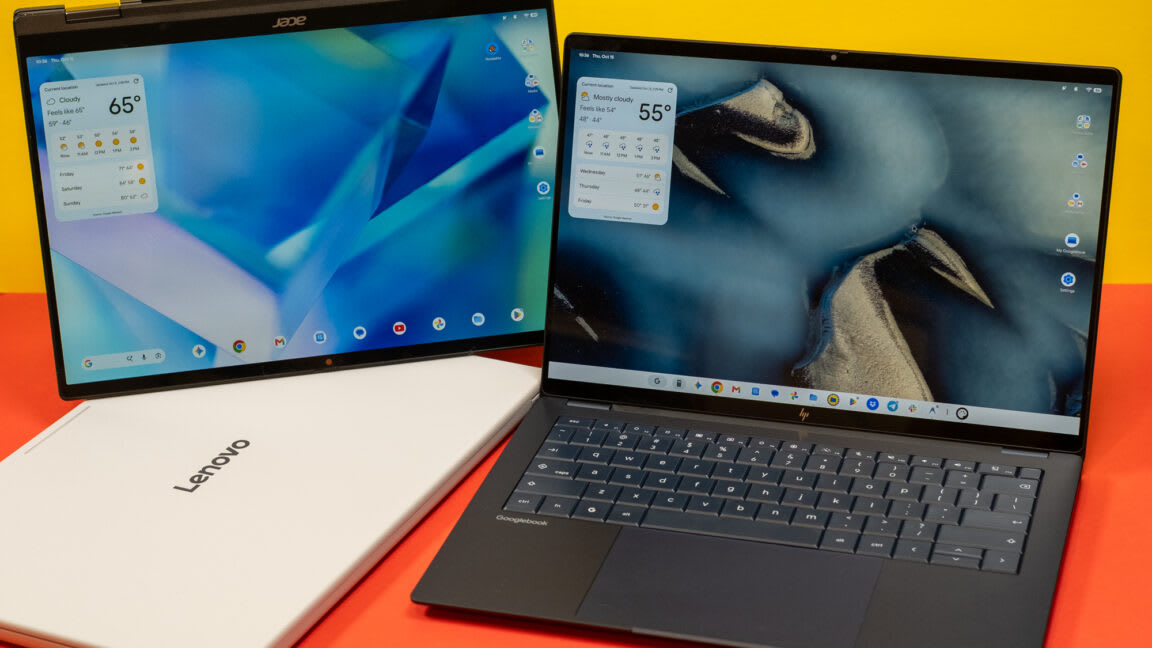
Google's latest attempt to bring Android to laptops faces significant hurdles in competing with established desktop ecosystems. While these new devices offer native app integration, they must overcome deep-seated software conventions to gain market traction.
The Evolution of Android on Desktop
Google’s recent foray into the laptop space with 'Googlebooks' marks yet another chapter in the company’s long-standing ambition to unify its mobile and desktop software experiences. For years, Android has been the undisputed leader in the mobile market, yet its transition to larger form factors—spanning tablets, foldables, and various Chromebook iterations—has been characterized by a persistent struggle to reconcile touch-first design with the precision requirements of a laptop interface.
The Challenge of Ecosystem Entrenchment
The primary obstacle facing Googlebooks is the sheer dominance of Windows and macOS. These operating systems are not merely tools; they are deeply entrenched ecosystems built upon decades of user interface conventions, complex professional software suites, and workflow habits that users are often unwilling to abandon. To compete effectively, Google must demonstrate that its Android-powered laptops offer more than just mobile app compatibility; they must provide a robust, productivity-focused environment that can handle the nuance of desktop-class tasks.
ChromeOS vs. Android Integration
Historically, Google relied on ChromeOS to bridge the gap between web-centric browsing and lightweight computing. The shift toward native Android integration on these new laptops suggests a strategic pivot to leverage the vast library of existing Android applications. However, simply porting mobile software to a larger screen often results in a sub-optimal user experience where apps fail to utilize the additional screen real estate or keyboard-and-mouse input methods effectively, leading to a fragmented user experience.
The Mobile-Desktop Convergence
For the average consumer, the appeal of a Googlebook lies in the potential for seamless continuity between their smartphone and their laptop. If Google can successfully bridge the gap for devoted Android phone users, there is a clear value proposition in having a unified ecosystem where data, notifications, and applications flow effortlessly. This convergence is a trend seen across the tech industry, yet Google’s execution remains the critical factor in determining whether this becomes a standard or remains a niche experiment.
Future Outlook and Market Adoption
Looking ahead, the success of the Googlebook will likely depend on Google's ability to refine the OS to accommodate professional workflows. If the platform remains restricted to 'mobile-first' behaviors, it will likely struggle to move beyond the consumer-entry market. Conversely, if Google invests heavily in optimizing the UI and hardware interaction for power users, it could potentially disrupt the entry-to-mid-level laptop market, providing a compelling alternative to the traditional PC paradigm.
Conclusion
In summary, while the hardware of the new Googlebooks represents a step forward, the software remains a work in progress. Google is effectively attempting to re-engineer user behavior on the desktop. Whether this gamble pays off will depend on their ability to move beyond the limitations of Android’s mobile roots and deliver an experience that feels natively designed for the laptop form factor.