Some parents on benefits to get up to £4,500 for child starting apprenticeship
Source Entity
BBC News
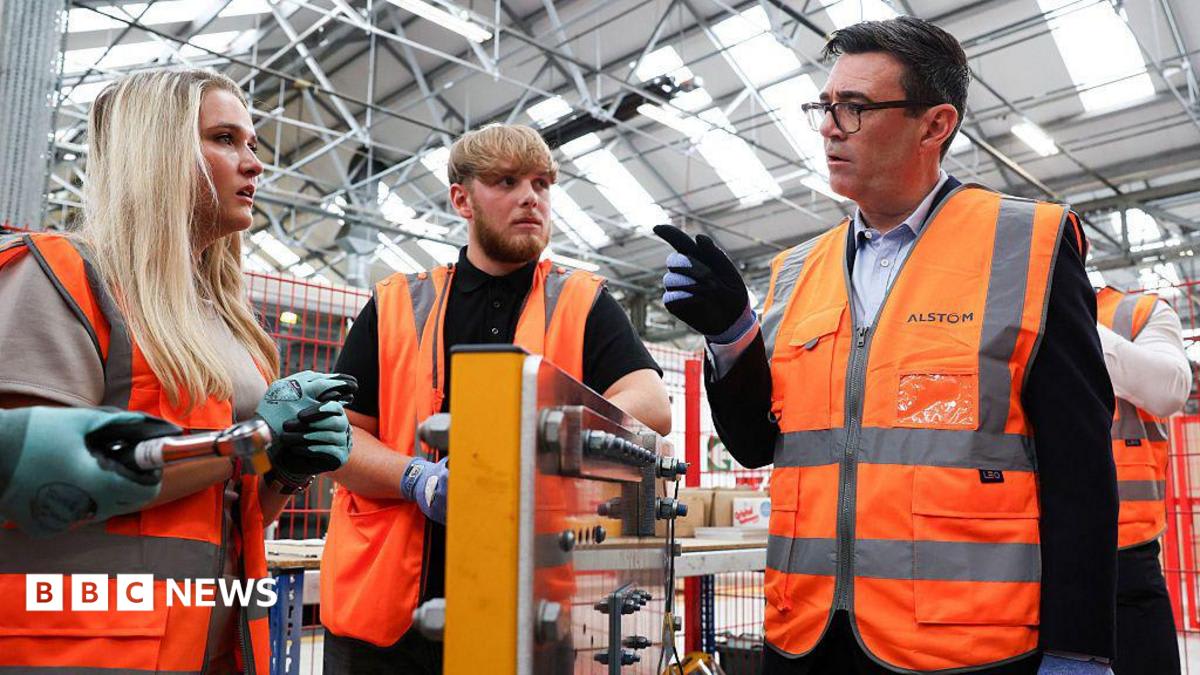
The government is introducing a £4,500 annual bursary for parents on benefits whose children start apprenticeships. This initiative aims to remove financial disincentives by compensating for lost Universal Credit payments, funded via a new growth and skills levy.
Bridging the Apprenticeship Gap: A New Financial Incentive
The government has unveiled a targeted financial intervention designed to dismantle the barriers preventing young people from entering the workforce. By offering up to £4,500 annually to parents on benefits, the policy directly addresses the 'benefits trap' where families face a reduction in Universal Credit payments—ranging from £17 to £330 per week—when their children transition into apprenticeships. This initiative serves as a critical bridge, ensuring that the pursuit of vocational training does not result in a net loss of household income.
Addressing the Benefits Trap
Historically, the structure of the welfare system has inadvertently penalized low-income families for their children’s professional development. When a dependent enters an apprenticeship, the resulting reduction in household benefits often acts as a financial deterrent. By providing this bursary, the administration aims to neutralize this disincentive, allowing families to support their children’s career advancement without the looming threat of significant budgetary instability.
Funding and Economic Implications
The mechanism for this funding is rooted in the newly established growth and skills levy, which targets employers with annual wage bills exceeding £3 million. This approach effectively shifts the financial burden of workforce development toward larger corporations, framing it as a collective investment in the national labor supply. While this provides a sustainable source for the £30 million fund, it has already prompted a debate regarding the sustainability of corporate taxation as a primary driver for social policy.
The Political Landscape
Prime Minister Andy Burnham’s endorsement of this apprenticeship expansion has drawn mixed reactions from the opposition. While the Conservative party has expressed broad support for the promotion of vocational pathways, they have raised pointed criticisms regarding the funding model. This friction highlights a deeper ideological divide concerning how the government should balance fiscal responsibility with the necessity of incentivizing labor market participation.
Future Trends and Outlook
The success of this policy will likely be measured by the participation rates of young people from households currently reliant on state support. By mitigating the immediate financial shock of transitioning from benefits to employment, the government is setting a precedent for future social security reforms. If effective, this model could be scaled to address broader employment barriers, signaling a shift toward more nuanced, targeted welfare interventions that prioritize long-term economic mobility over short-term budgetary containment.