DMK To Join Hands With BJP? TVK's Big Claim Amid Delimitation Buzz
Source Entity
NDTV News Search Records Found 1000
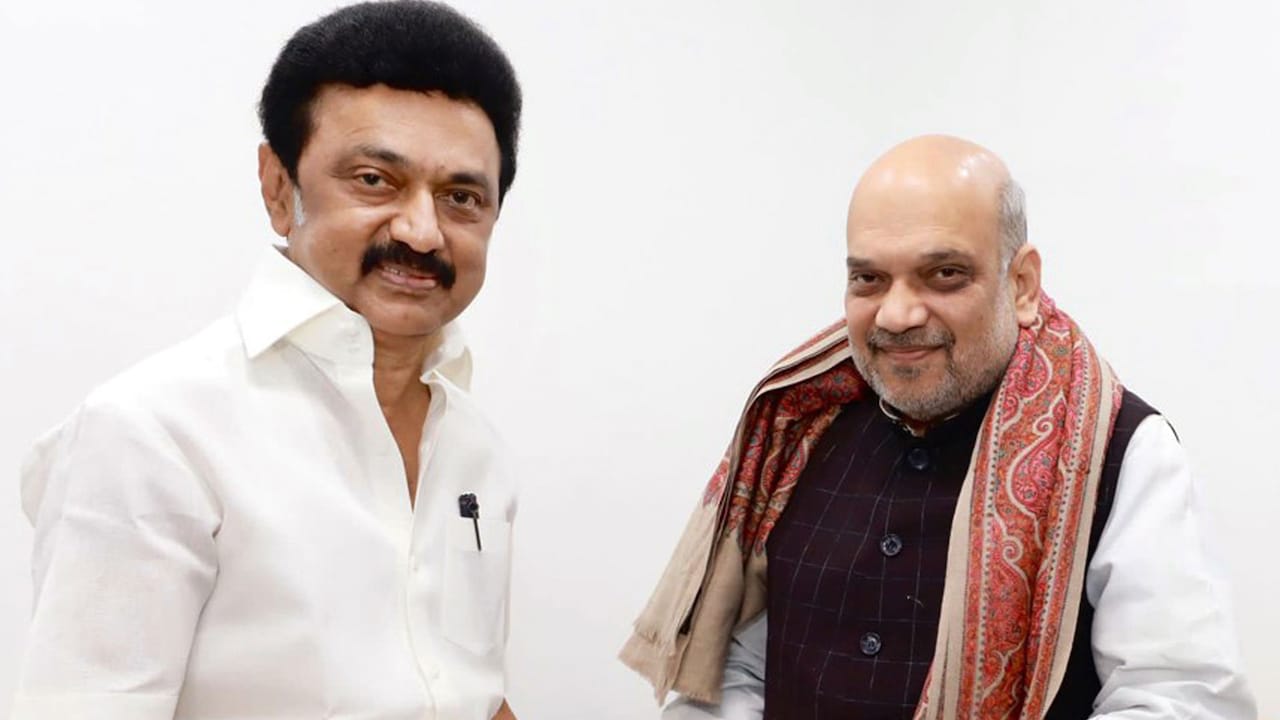
The Indian government is reconvening Parliament from November 30 to December 3 to revive the Constitution (131st Amendment) Bill. This legislative push aims to implement 33% women’s reservation and increase Lok Sabha seats to 850 via delimitation.
The Legislative Push for Delimitation and Gender Quotas
The Indian government has officially requested the reconvening of Parliament, with the Lok Sabha scheduled to meet on November 30 and the Rajya Sabha on December 2, 2026. This brief session, slated to conclude on December 3, is framed as a necessity for "Essential Government Business." The primary focus of this political maneuver is a renewed attempt to pass the Constitution (131st Amendment) Bill, 2026, a landmark piece of legislation that seeks to fundamentally alter the composition of the Lower House.
Revisiting the April Legislative Failure
This upcoming session serves as a high-stakes follow-up to the government’s unsuccessful attempt earlier this year. On April 17, 2026, the administration failed to secure the required special majority in the Lok Sabha to pass the amendment. Constitutional amendments in India necessitate a two-thirds majority of members present and voting, a threshold the government could not reach during the previous session. This failure highlighted the complexities of building consensus in a polarized legislative environment, particularly when dealing with constitutional changes that redistribute political power.
The Mechanics of the 131st Amendment
The proposed legislation is twofold: it aims to institutionalize a 33% reservation for women in the Lok Sabha and simultaneously implement a comprehensive delimitation exercise. The government envisions increasing the total number of Lok Sabha seats to 850. This expansion is designed to account for demographic shifts over the past several decades, ensuring that the number of representatives more accurately reflects the current population distribution across India’s states.
Strategic Implications of the 2029 Timeline
The government’s objective is to have this legal framework operational in time for the 2029 Lok Sabha polls. By anchoring the reservation policy to a fresh delimitation exercise, the administration is effectively tying gender representation to a massive structural reorganization of electoral constituencies. This approach has sparked intense debate regarding the impact of new constituency boundaries on existing political strongholds and the future landscape of Indian federalism.
Navigating the Procedural Hurdles
With more than 100 days having passed since the conclusion of the Monsoon Session, the government is utilizing this short window to overcome procedural stagnation. Parliamentary Affairs Minister Kiren Rijiju has signaled that the government is determined to push through this "Essential Government Business." The success of this session hinges on whether the government has successfully negotiated with opposition parties to secure the necessary numbers that eluded them in April.
Future Outlook and Political Stakes
Should the bill pass, it will represent one of the most significant shifts in India’s parliamentary history. The combination of increased seat capacity and mandated gender parity would fundamentally change the recruitment and selection processes for political candidates across the country. Conversely, another failure to pass the bill would likely lead to further delays in implementing women's reservation, leaving the government to face significant public pressure as the 2029 electoral cycle approaches.
Verification Required?