Grand jury rejects DOJ bid to indict ex-Trump WH aide Cassidy Hutchinson: Reports
Source Entity
US Top News and Analysis
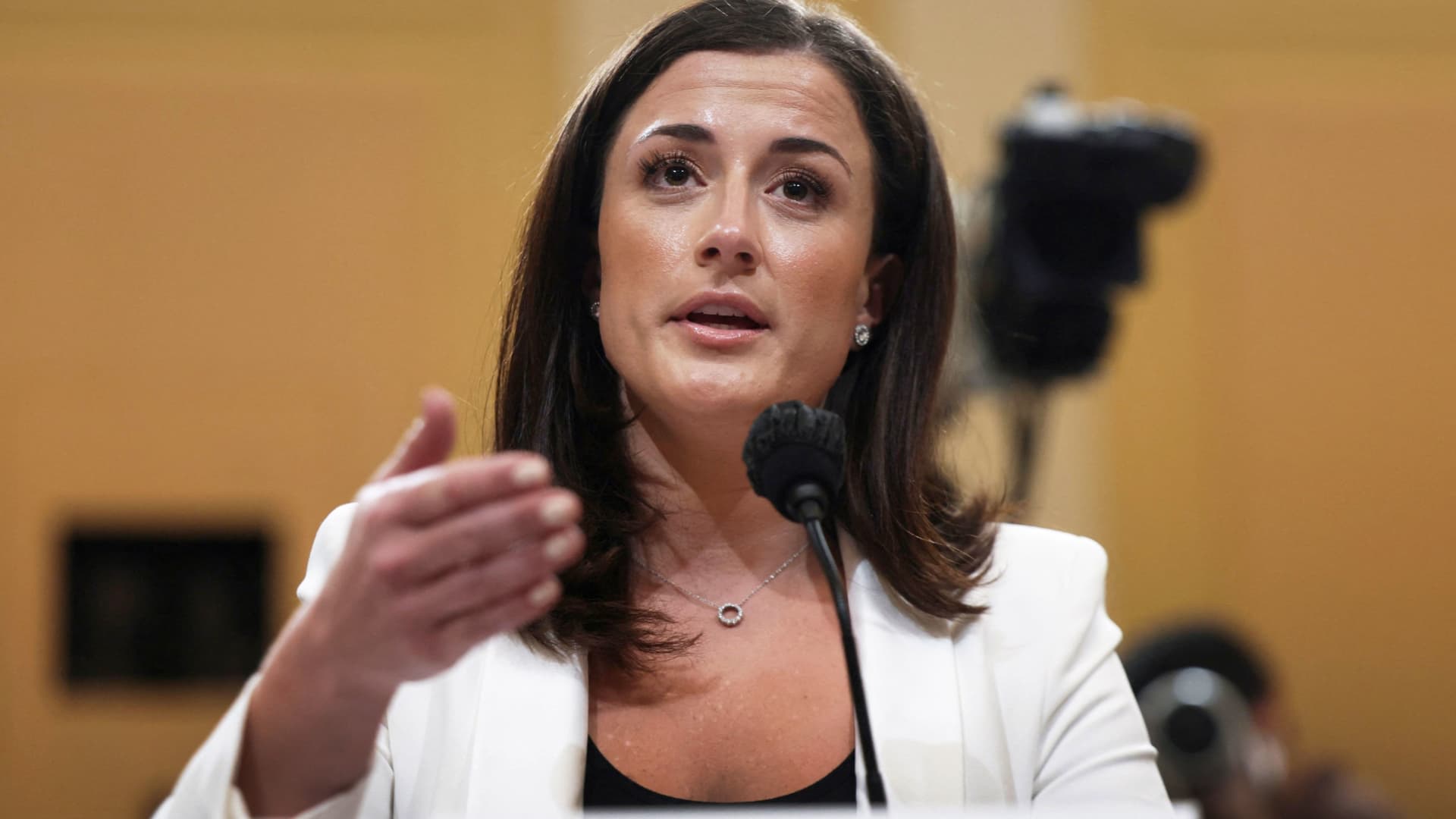
A federal grand jury in Washington, D.C., has declined a Department of Justice request to indict former White House aide Cassidy Hutchinson. The move follows her high-profile testimony regarding Donald Trump's actions during the January 6 Capitol riot.
The Grand Jury Decision Regarding Cassidy Hutchinson
Overview of the Legal Development
In a significant legal development, a federal grand jury in Washington, D.C., has rejected a request by the Department of Justice (DOJ) to seek an indictment against Cassidy Hutchinson. Hutchinson, who served as an aide to former White House Chief of Staff Mark Meadows during the Trump administration, became a central figure in the investigation into the events of January 6, 2021. The DOJ’s Civil Rights Division had reportedly pushed for charges stemming from claims she made during her testimony to the House Select Committee.
Context of the Testimony
Cassidy Hutchinson gained national attention in June 2022 when she provided live, public testimony before the U.S. House Select Committee investigating the January 6 attack on the U.S. Capitol. Her testimony focused heavily on the conduct of former President Donald Trump on the day of the riot, providing internal accounts of White House deliberations and actions that occurred as the mob breached the Capitol building. This testimony was a cornerstone of the committee's efforts to establish a narrative regarding the executive branch's role during the insurrection.
The DOJ's Failed Prosecution Attempt
The attempt by the DOJ’s Civil Rights Division to pursue an indictment against a key witness in the January 6 investigation highlights the complex and often contentious nature of federal prosecutions involving political figures. By seeking to charge Hutchinson based on her congressional testimony, the DOJ initiated a rare move that faced immediate scrutiny from the grand jury. The jury’s refusal to return an indictment suggests that, at least in this instance, the evidence or legal theory presented by the prosecution did not meet the necessary threshold to proceed with criminal charges.
Broader Implications for Legal Accountability
This decision carries substantial weight for how the judicial system handles witnesses who provide testimony against high-ranking political officials. The interaction between congressional investigations and Department of Justice prosecutions is often fraught with tension, particularly when the subject matter involves sensitive political events like the January 6 attack. This outcome underscores the independent nature of the grand jury system, which serves as a safeguard against potential overreach in politically charged cases.
Future Trends in January 6 Investigations
As the legal aftermath of January 6 continues to evolve, the rejection of this specific indictment may influence how federal prosecutors approach future testimony and evidence gathering. It serves as a reminder that even in high-stakes investigations, the standard of proof remains absolute. Observers will likely continue to monitor how the DOJ balances its prosecutorial duties with the necessity of maintaining the integrity of congressional witness testimony in ongoing efforts to document the events surrounding the 2021 riot.