Tiny creatures of sea expose big story of Gujarat’s plastic waste
Source Entity
PRASHANT RUPERA AND TUSHAR PRABHUNE
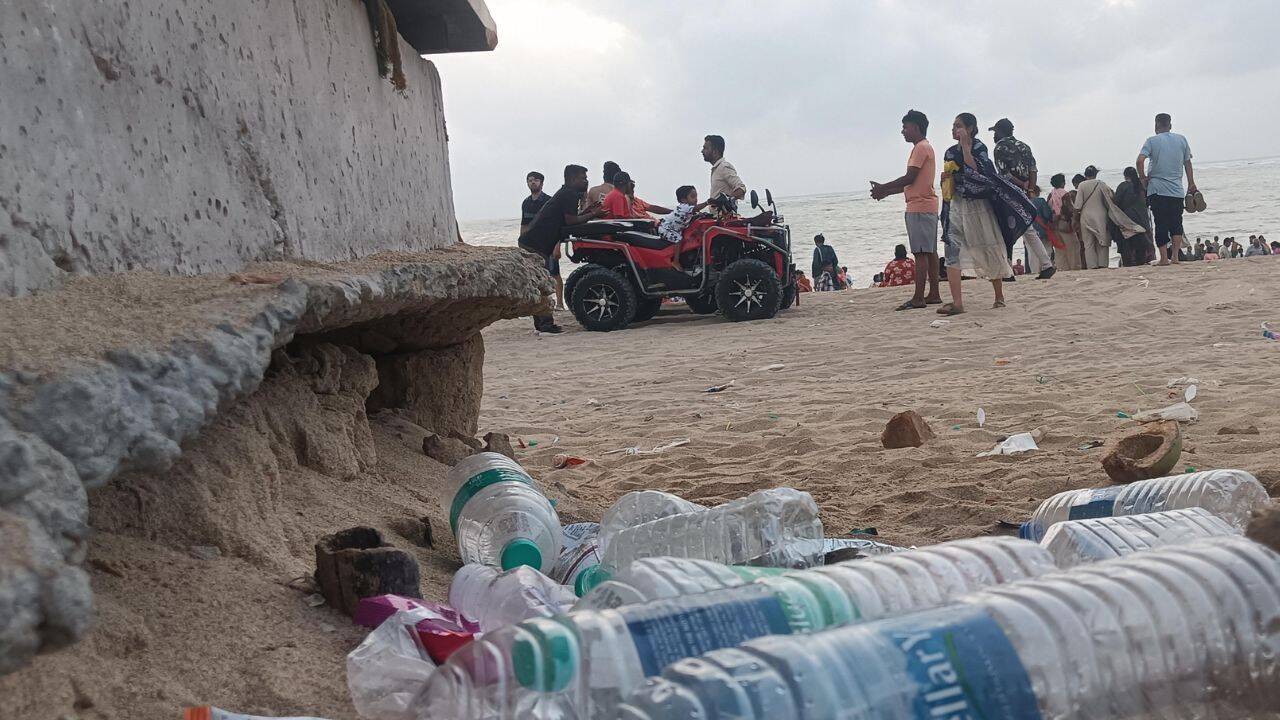
A scientific study has revealed alarming levels of microplastic contamination in barnacles, seawater, and coastal sediments across 13 locations on Gujarat's coast, with the Blue Flag-certified Shivrajpur beach recording the highest concentrations.
The Invisible Plague: Microplastic Contamination Along Gujarat's Coastline
Recent environmental research has uncovered a disturbing reality regarding the health of Gujarat's marine ecosystems. By analyzing barnacles—small, crustacean filter feeders—researchers have exposed a widespread presence of microplastics across thirteen different coastal locations. The study reveals that these tiny creatures are acting as biological mirrors, reflecting a severe systemic failure in plastic waste management. The most startling finding is the high concentration of microplastics at Shivrajpur beach, a site that holds the prestigious 'Blue Flag' certification, which is intended to signify the highest standards of environmental quality and sustainability.
The Irony of the Blue Flag Certification
The discovery of peak contamination levels at Shivrajpur beach is particularly poignant. The Blue Flag program is an international accolade that recognizes beaches with strict environmental management, water quality, and safety standards. The fact that such a site exhibits the highest concentration of microplastics suggests a critical gap between surface-level aesthetics and deep-seated ecological health. It indicates that even the most carefully managed tourist destinations are not immune to the pervasive nature of plastic pollution, which can be carried by currents from distant sources or seep in through local mismanagement.
Barnacles as Bioindicators of Marine Health
To understand the gravity of this situation, one must look at the role of barnacles in the marine food web. As sessile filter feeders, barnacles process large volumes of seawater to extract nutrients, inadvertently ingesting microplastics suspended in the water column. Because they cannot migrate, their tissues provide a localized, historical record of the pollution levels in their immediate environment. The presence of these particles in barnacles, as well as in the surrounding seawater and coastal sediments, confirms that the pollution is not a transient event but a persistent environmental characteristic of the Gujarat coast.
Tracing the Source: Industrialization and Riverine Input
The study explicitly points toward two primary conduits for this pollution: riverine discharge and industrial effluents. Gujarat is one of India's most industrialized states, hosting a massive concentration of chemical, textile, and plastic manufacturing hubs. The leakage of pre-production plastic pellets (nurdles) and the degradation of larger plastic waste from these industries likely find their way into the Arabian Sea. Simultaneously, rivers act as conveyor belts, transporting urban plastic waste from inland cities directly into the coastal zone, where it breaks down into micro-fragments through UV exposure and mechanical abrasion.
Ecological Implications and Trophic Transfer
The contamination of primary consumers like barnacles poses a significant risk to the broader marine biodiversity. Through a process known as biomagnification, microplastics and the associated chemical toxins (such as phthalates and bisphenols) move up the food chain. When larger fish or crustaceans prey on contaminated barnacles, these pollutants accumulate in higher concentrations in the predators. This not only threatens the survival of marine species but also raises serious concerns for human health, as these contaminated seafood sources eventually reach the dinner tables of coastal populations.
Future Outlook and the Path to Remediation
Moving forward, this data serves as a wake-up call for policymakers in Gujarat to move beyond superficial beach clean-ups and address the root causes of pollution. There is an urgent need for more stringent regulations on industrial effluent treatment and the implementation of advanced filtration systems in urban drainage to stop plastics from entering rivers. Furthermore, the 'Blue Flag' criteria may need to be expanded to include microplastic monitoring to ensure that certifications reflect true ecological integrity. If left unchecked, the increasing plastic load will lead to irreversible degradation of the coastal biodiversity that sustains the region's economy and ecology.
Conclusion
In summary, the presence of microplastics in Gujarat's coastal barnacles is a stark indicator of a larger environmental crisis. From the pristine shores of Shivrajpur to the industrial fringes of the coast, the infiltration of plastic into the biological fabric of the ocean is evident. This research underscores the necessity of a holistic approach to waste management, blending industrial accountability with aggressive riverine pollution control to protect the marine heritage of India's western coast.