Receding waters uncover flood devastation, 31 dead in Gujarat
Source Entity
TNN
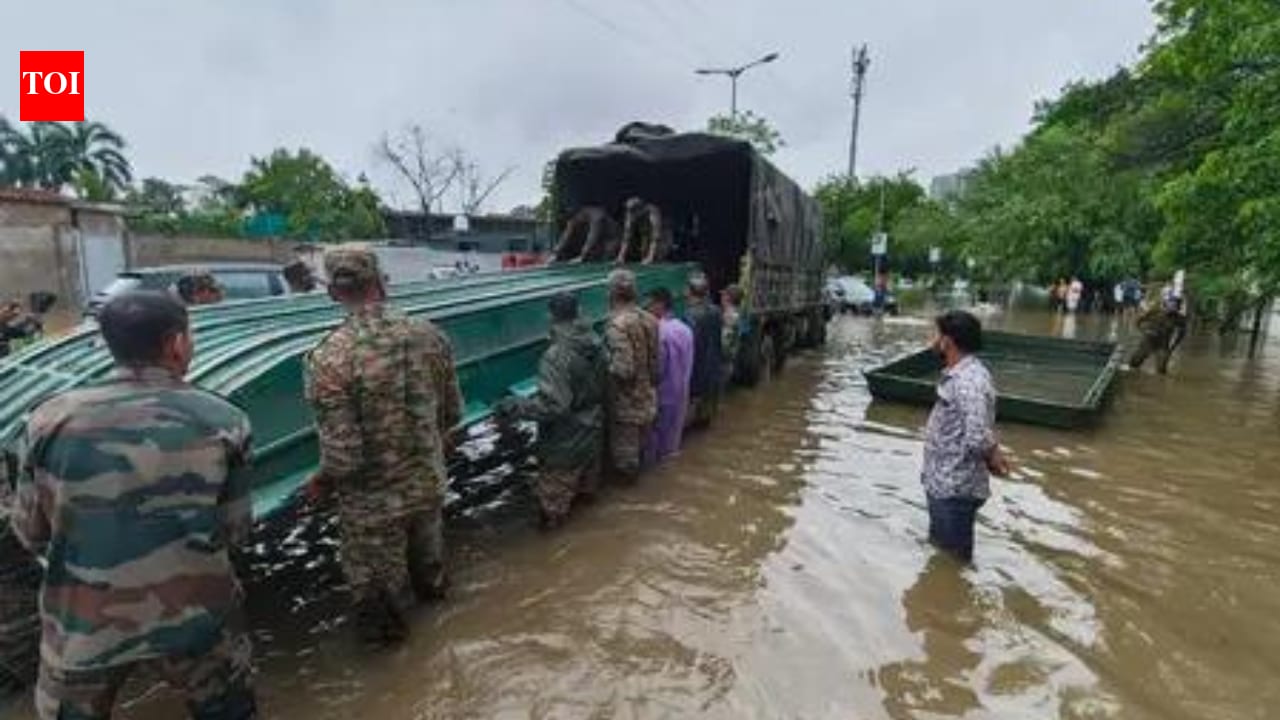
Severe monsoon rains in Gujarat have led to over 40,000 evacuations and thousands of rescues as rivers breach danger levels. The Indian Army and disaster response teams are deployed across the state, with Umergam recording historic rainfall figures.
Unprecedented Monsoon Deluge in Gujarat
Gujarat is currently grappling with a catastrophic flood situation following three consecutive days of relentless monsoon rainfall. The intensity of the weather event has necessitated massive state-wide emergency responses, with authorities confirming that over 40,500 people have been evacuated to safer locations to escape rising floodwaters. The situation has severely impacted both south and central Gujarat, disrupting essential transport networks and inundating numerous villages.
Historic Rainfall Metrics
The scale of this weather event is underscored by meteorological data from Umergam in the Valsad district, which recorded an staggering 1,064 mm of rain within a 24-hour window. According to the India Meteorological Department (IMD), this figure is the third-highest 24-hour rainfall ever recorded in Indian history, placing it in the same category as extreme weather events in Sohra and Aminidivi. Such unprecedented precipitation levels have overwhelmed local infrastructure, leading to widespread flooding as rivers across the region have breached their danger marks.
Multi-Agency Rescue Operations
In response to the escalating crisis, a coordinated effort between the Indian Army, the National Disaster Response Force (NDRF), the State Disaster Response Force (SDRF), and the Coast Guard has been launched. These teams are actively engaged in rescue operations, specifically in the hardest-hit districts of Valsad, Navsari, Silvassa, and Ahmedabad. The deployment includes specialized engineer and medical units to ensure both the physical rescue of stranded citizens and the provision of immediate health support.
Government Intervention and Relief
To manage the immediate aftermath, the state government has closed all colleges and schools in the affected districts as a precautionary measure. Furthermore, authorities have allocated ₹40 crore to provide cash doles and essential household assistance to those displaced by the floods. Relief Commissioner Gaurang Makwana noted that while many evacuees have sought shelter with relatives, the government is actively managing the accommodation of thousands of others in temporary relief camps.
Future Outlook and Resilience
The current situation highlights the increasing volatility of monsoon patterns in India, where record-breaking rainfall events are placing immense pressure on disaster management frameworks. As rescue operations continue, the focus will likely shift toward damage assessment and long-term recovery for the affected populations. The ability of state and central agencies to mobilize rapidly remains the primary defense against such extreme hydrological events, though the frequency of these occurrences suggests a growing need for enhanced climate-resilient infrastructure in the region.
Multiple Citing Sources