What is ‘Operation Gangajal’, under which Gujarat compulsorily retired two IAS officers?
Source Entity
Latest News: Todays Latest News Headlines from India & World | Hindustan Times | Hindustan Times
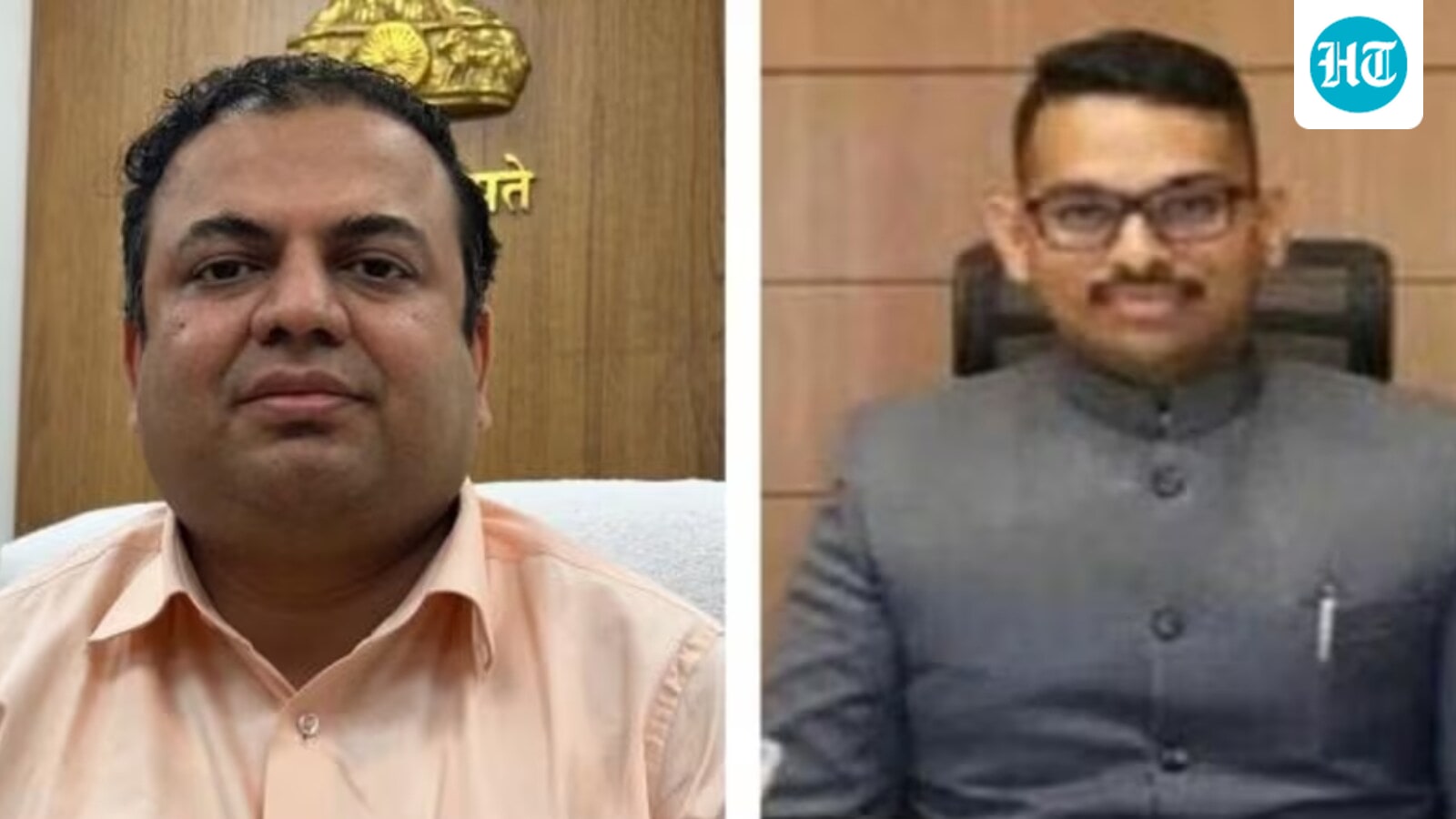
The Gujarat government has compulsorily retired two IAS officers, Gaurav Dahiya and K Rajesh, under the 'Operation Gangajal' initiative. The move follows a 15-year service review targeting officials involved in corruption, serious misconduct, and ongoing criminal investigations.
The Gujarat Administrative Purge: An Overview
In a decisive move to uphold the integrity of the civil services, the Gujarat government has ordered the compulsory retirement of two Indian Administrative Service (IAS) officers: Gaurav Dahiya and K Rajesh. This action, sanctioned by the Department of Personnel and Training (DoPT), follows a rigorous 15-year performance and conduct review. The move underscores a growing emphasis within the Indian administrative framework on accountability, particularly for officers whose professional records are marred by serious allegations.
Understanding 'Operation Gangajal'
The mechanism behind this termination is an initiative colloquially known as 'Operation Gangajal.' This exercise is specifically designed to identify and prune officials who have become liabilities to the state machinery due to persistent corruption charges, disciplinary failings, or grave misconduct. By invoking rules that allow for the premature retirement of civil servants deemed 'unsuitable for service,' the government is signaling a shift toward maintaining a cleaner, more efficient bureaucratic environment.
The Case of K Rajesh
K Rajesh, a 2011-batch IAS officer, has been the subject of intense scrutiny since his suspension in July 2022. His tenure has been overshadowed by severe legal challenges, including investigations by the Central Bureau of Investigation (CBI) and the Enforcement Directorate (ED). These inquiries relate to allegations of bribery, illegal land allotments, and money laundering. Given the gravity of these charges, his compulsory retirement serves as a definitive step in the state’s effort to distance its administration from ongoing criminal litigation.
The Case of Gaurav Dahiya
Similarly, Gaurav Dahiya, a 2010-batch officer, faced significant disciplinary action as early as 2019. His career trajectory was halted following serious allegations involving bigamy, fraud, and criminal intimidation. Despite a temporary reinstatement, the comprehensive review of his service record ultimately deemed him unfit for continued public service. His removal highlights the government’s commitment to addressing personal conduct issues that threaten the moral standing of the IAS cadre.
Broader Implications and Future Trends
The compulsory retirement of these two officers is not merely a localized disciplinary event but a reflection of a national trend toward enforcing stricter standards of conduct for elite bureaucrats. By utilizing existing provisions to force retirement, the government is effectively modernizing the civil service, ensuring that officers who face prolonged criminal investigations or lack the ethical standing required for governance are removed. This trend is likely to continue as the state seeks to restore public trust in administrative institutions.
Conclusion
As the Gujarat government continues its 'Operation Gangajal,' the message to the civil service remains clear: administrative positions are not immune to the consequences of unethical behavior or criminal conduct. By systematically reviewing the records of its officers, the state is attempting to ensure that only those who adhere to the highest standards of integrity remain in positions of power. This rigorous approach to internal accountability is essential for the long-term health and efficiency of the Indian administrative system.
Verification Required?