Jeffrey Gundlach says the bond market is telling Warsh the Fed has to start acting on inflation
Source Entity
US Top News and Analysis
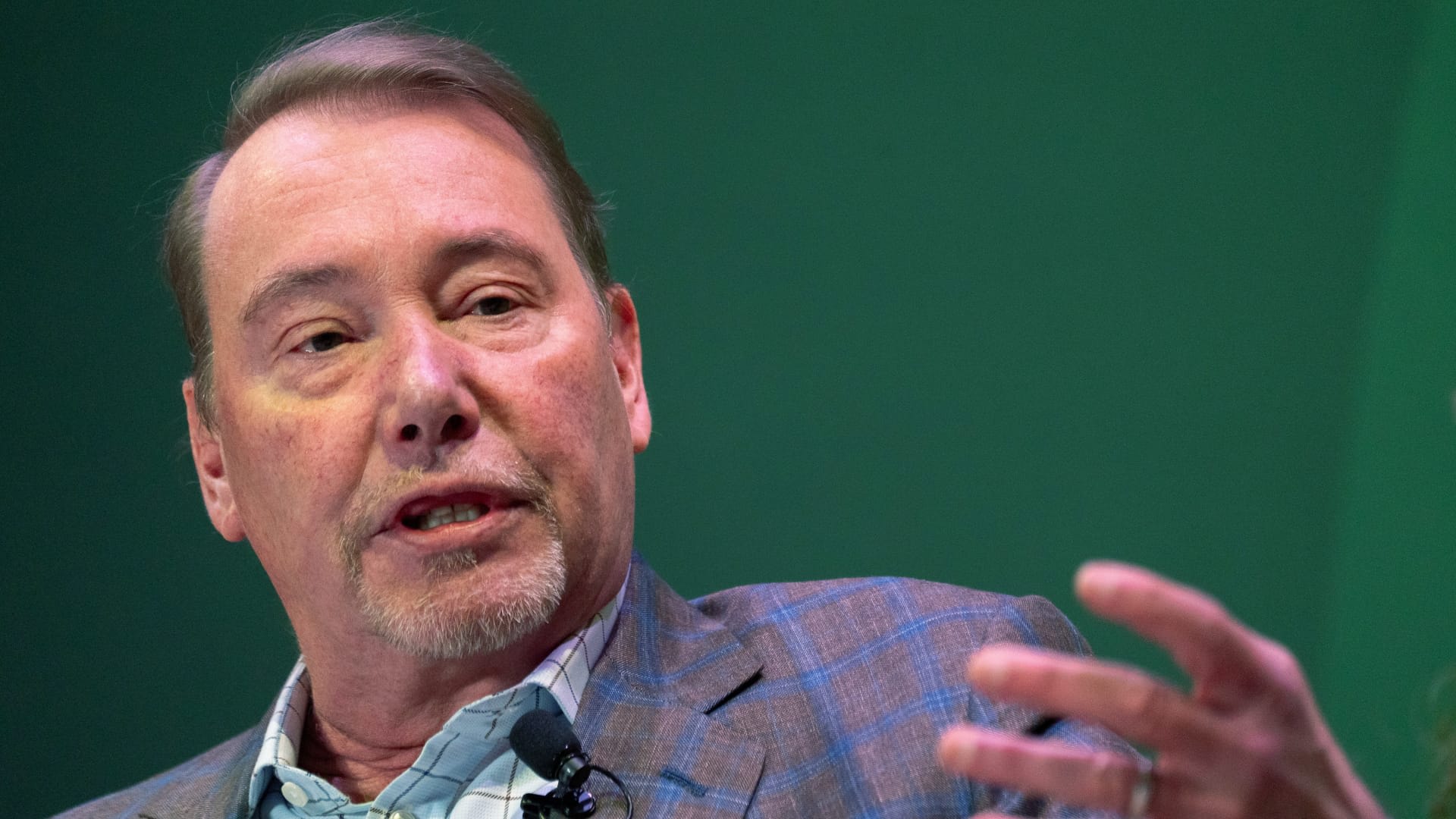
Investor Jeffrey Gundlach warns that the bond market is skeptical of the Fed's inflation stance, signaling the need for higher interest rates. Yields on long-term Treasurys have hit levels not seen since 2007, reflecting market pressure on policymakers.
The Bond Market's Verdict on Fed Policy
DoubleLine Capital CEO Jeffrey Gundlach has issued a stark warning regarding the current state of the U.S. economy, suggesting that the bond market is actively signaling a lack of confidence in the Federal Reserve’s commitment to its 2% inflation mandate. While the central bank maintained its benchmark interest rate between 3.5% and 3.75%, the market reaction suggests that mere rhetoric from leadership is insufficient to anchor long-term inflation expectations.
Divergence and Dissent
The recent Federal Reserve policy decision was notable not just for the decision to hold rates steady, but for the internal division it revealed. With three policy members dissenting in favor of a quarter-point hike, it is clear that the consensus within the FOMC is fraying. Gundlach argues that this hesitation, coupled with the Fed's communication strategy, is being interpreted by investors as a "bluff" that fails to address the persistent nature of inflationary pressures.
Yields Reflecting 2007 Extremes
Market skepticism has manifested physically in the Treasury market, most notably with the yield on the 30-year Treasury bond climbing to its highest level since 2007. This surge in long-term yields is a critical indicator; it suggests that bondholders are demanding higher compensation for the risk of holding debt in an environment where inflation may remain sticky for years to come. When the long end of the curve moves sharply, it often acts as a referendum on the efficacy of monetary policy.
The Challenge of the 2% Target
Gundlach’s commentary highlights the structural difficulty the Fed faces in returning to its 2% target. He posits that the path to this goal is not a short-term sprint but a multi-year slog. By suggesting that the Fed may not reach this target within the next two years, Gundlach is challenging the conventional narrative that inflation can be tamed without more aggressive, sustained monetary tightening or higher interest rates.
Broader Economic Implications
If the bond market continues to doubt the Fed’s resolve, the resulting rise in yields could tighten financial conditions significantly more than the Fed intends. This creates a difficult balancing act: if the Fed ignores the market signal, inflation expectations may become unanchored; if they react too aggressively to appease the market, they risk triggering a recession. The current situation suggests a brewing conflict between market participants, who are pricing in a more hawkish reality, and the central bank’s current policy framework.
Looking Ahead
The trajectory of the 30-year Treasury yield will remain the primary barometer for market sentiment in the coming quarters. Should yields continue to push higher, the Fed will face mounting pressure to abandon its "wait and see" approach. Investors and policymakers alike are now locked in a high-stakes standoff, where the cost of miscalculating the persistence of inflation could be profound for global financial stability.
Multiple Citing Sources