Bond market is calling Warsh’s bluff on inflation fight as yields surge
Source Entity
Joy Wiltermuth
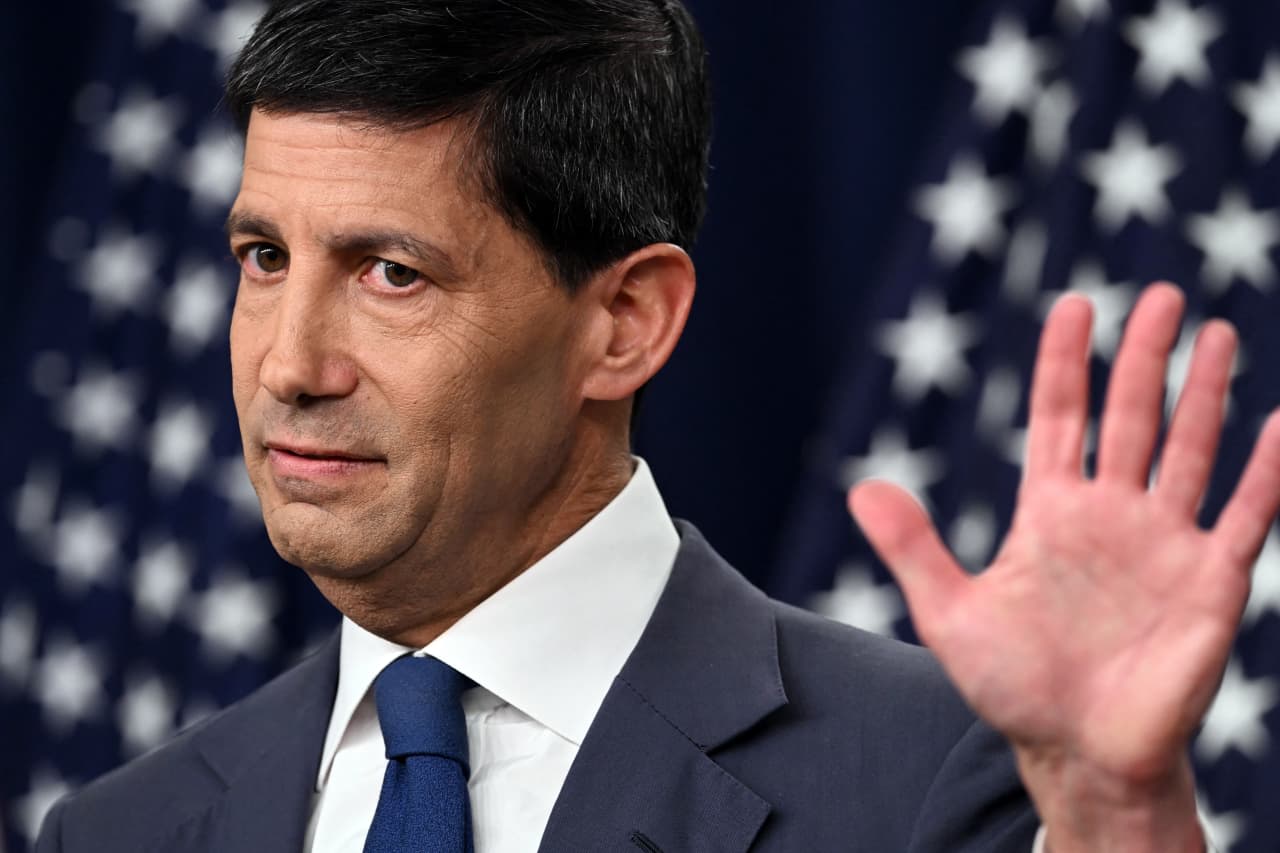
Investor Jeffrey Gundlach warns that the bond market signals the Federal Reserve must raise interest rates to reach its 2% inflation target. Treasury yields, including the 30-year bond, have surged to multi-year highs, reflecting market skepticism toward current Fed policy.
Market Skepticism and the Fed's Inflation Dilemma
DoubleLine Capital CEO Jeffrey Gundlach has issued a stark warning regarding the current state of the U.S. economy, suggesting that the bond market is effectively 'calling the bluff' of the Federal Reserve. Following a recent policy decision to leave interest rates unchanged at 3.5% to 3.75%, Gundlach argued that the central bank’s rhetoric regarding inflation is insufficient. The bond market, according to Gundlach, is reacting to a perceived lack of resolve, signaling that the Fed must move beyond mere verbal commitment if it intends to bring inflation down to its stated 2% target.
The Bond Market's Diagnostic Signal
The most tangible evidence of this skepticism lies in the Treasury market, where divergent moves across the curve have become a focal point for institutional investors. During a recent press conference, the yield on the 30-year Treasury bond surged to its highest level since 2007. This spike in long-term yields serves as a critical indicator that investors are pricing in a 'higher for longer' interest rate environment, regardless of the Fed's current pause. The market is essentially betting that the Fed will eventually be forced to act more aggressively to curb persistent inflationary pressures.
Internal Dissent and Policy Uncertainty
The Federal Reserve's recent decision to maintain current rates was not a unanimous consensus, highlighting internal fractures within the Federal Open Market Committee (FOMC). Three policymakers dissented from the majority, advocating for a quarter-percentage-point rate hike. This lack of unity underscores the difficulty policymakers face in balancing economic stability with the aggressive tightening required to combat inflation. For market observers like Gundlach, this internal friction only serves to heighten uncertainty, making it increasingly difficult for the Fed to anchor long-term inflation expectations.
The Long Road to 2% Inflation
Gundlach’s analysis suggests that the goal of returning to 2% inflation is a long-term endeavor that may extend well beyond the next couple of years. By maintaining the current benchmark range, the Fed risks allowing inflationary expectations to become entrenched. Gundlach posits that without further rate increases, the central bank’s target will remain elusive. The skepticism reflected in the Treasury yields suggests that the market does not believe the Fed’s current policy stance is sufficient to suppress the underlying drivers of inflation in the near term.
Broader Economic Implications
The implications of this standoff between the bond market and the Federal Reserve are significant. If yields continue to climb, borrowing costs for consumers and businesses will rise, potentially cooling economic growth more rapidly than the Fed intends. Conversely, if the Fed ignores these signals and keeps rates steady, they risk losing credibility, which could lead to increased market volatility. As the economy navigates this delicate period, the bond market’s reaction will continue to serve as a primary barometer for investor confidence in the Fed's ability to navigate the inflation landscape.
Multiple Citing Sources
Verification Required?