Two hours, 500 metres: How Gurgaon’s rain stole my train
Source Entity
BAGISH JHA
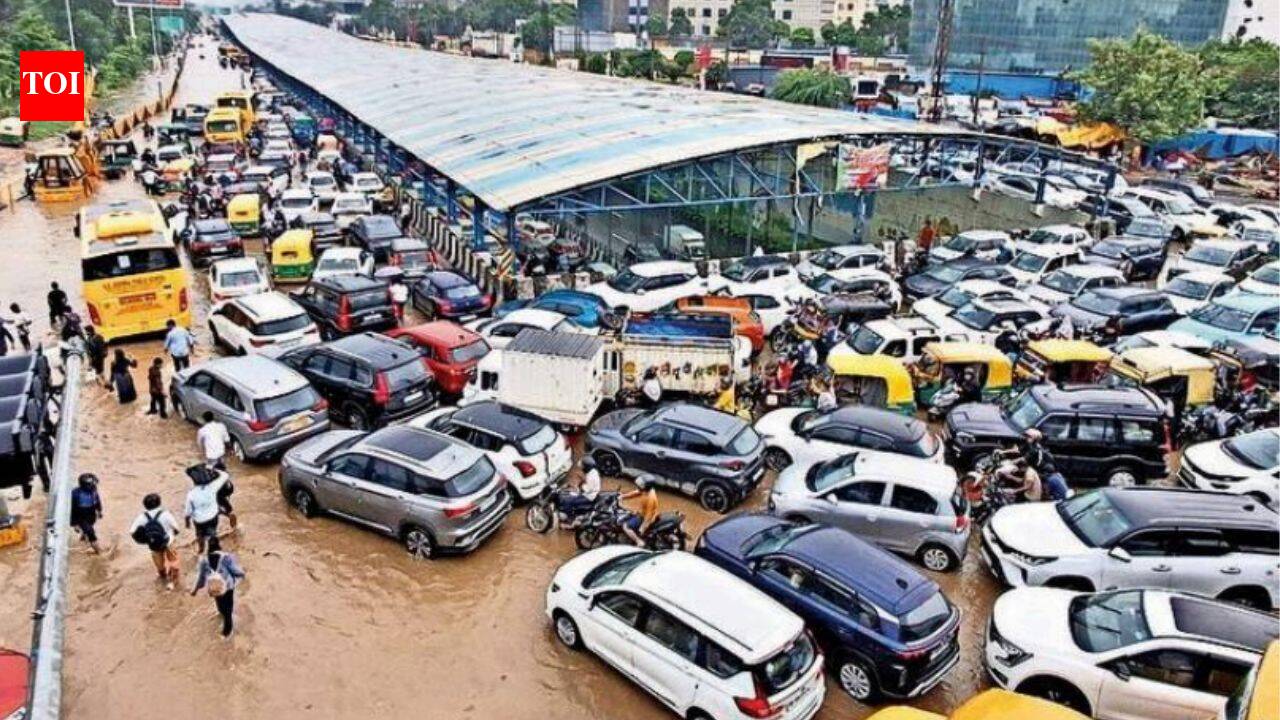
Gurgaon faces severe urban infrastructure challenges as heavy rainfall triggers widespread waterlogging, stranding school buses and prompting work-from-home advisories. Local entrepreneurs and residents are increasingly vocal about the gap between tax contributions and the quality of civic services.
The Infrastructure Crisis in Gurugram: A Growing Urban Concern
Recent heavy rainfall in Gurugram has once again brought the city's infrastructure vulnerabilities to the forefront, as a mere hour of rain led to significant waterlogging across the region. The situation reached a critical point when at least 12 school buses were stranded near Subhash Chowk for over two hours, forcing parents and children to navigate knee-deep water. This incident highlights the acute safety hazards faced by citizens during monsoon events, compounded by concerns over exposed electrical infrastructure.
The Founder's Perspective on Civic Duty
The public discourse was ignited by a Gurgaon-based founder, Dr. Shivin Chaudhary, who shared a video of the flooded streets outside his residence. His frustration, characterizing the situation as a "Venice experience," reflects a broader sentiment among the city's professional class. He explicitly questioned the value proposition of paying multiple taxes when essential services like drainage and road maintenance fail to mitigate the impact of moderate rainfall. His suggestion that such failures might drive talent and entrepreneurs to look toward international alternatives underscores the potential economic impact of poor urban planning.
Broader Implications of Urban Flooding
The impact of the downpour was not limited to individual grievances; it forced the district administration to issue a work-from-home advisory for private offices and shift schools to online learning. With 75 mm of rain falling between 8 am and 5 pm, the city's drainage systems were overwhelmed, leading to gridlocks that paralyzed daily activity. The recurring nature of this problem in Gurugram, and its spread to neighboring regions like Noida and Ghaziabad, suggests that despite previous attempts at drainage improvements, the current infrastructure remains ill-equipped to handle high-intensity weather events.
Safety Hazards and Resident Frustration
Beyond the inconvenience of traffic and delays, residents are increasingly worried about the physical dangers posed by the flooding. Reports of loose electric wires on poles and in meters near waterlogged areas represent a severe threat to public safety. The experience of individuals like Meetu Gupta, who had to wade through water for 20 minutes to reach her daughter, illustrates the breakdown of basic urban accessibility that citizens expect in a major corporate hub.
Future Trends and Urban Planning
As Gurugram continues to grow as a major business center, the disparity between its status as an economic powerhouse and its current civic reality is becoming unsustainable. The trend of entrepreneurs questioning the "richer life" in metro cities—often hampered by the loss of time and productivity due to infrastructure failures—is a signal that urban planning must evolve. Future development will likely need to prioritize resilient drainage systems and stricter oversight of utility maintenance to prevent the city from becoming synonymous with seasonal paralysis. Failure to address these systemic issues may lead to a long-term erosion of the city's appeal as a premier destination for business and residential living.
Multiple Citing Sources