Access denied: Fresh order bars EWS residents from using central park, common areas in Gurugram complex
Source Entity
Abhimanyu Hazarika
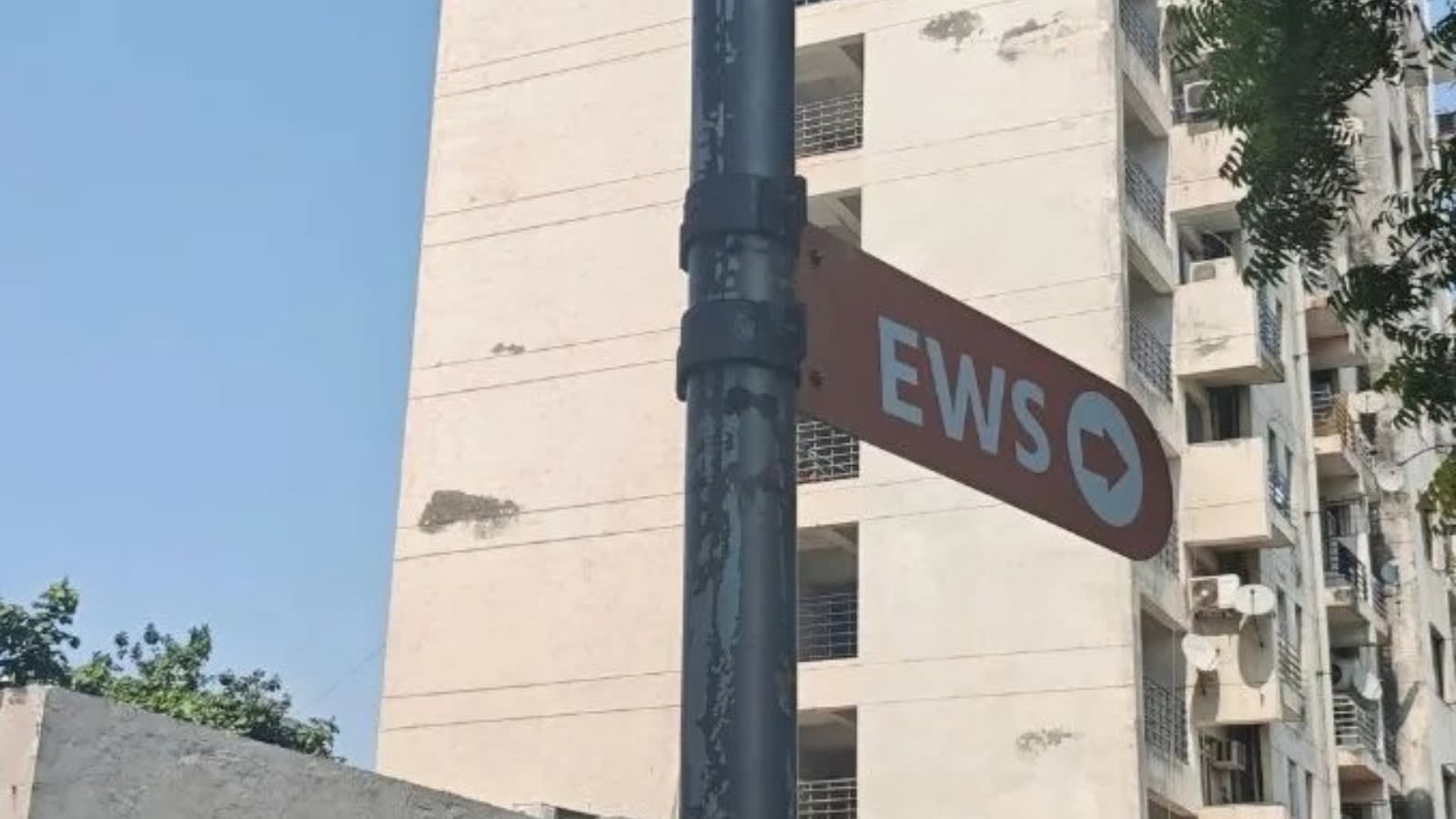
Residents from the Economically Weaker Section (EWS) at Gurugram's Mahindra Aura complex face renewed access restrictions to common areas. The District Registrar has reversed a previous order, citing the society's registered bye-laws and conveyance deeds as the basis for the curbs.
The Ongoing Conflict Over Common Area Access in Gurugram
The Recurring Struggle for Inclusivity
In a concerning development for urban social equity, EWS residents at the Mahindra Aura housing complex in Sector 110A, Gurugram, are once again facing exclusionary practices. Despite a brief period of relief facilitated by the district administration, 70-year-old Kashmir Singh and his wife Meena Rani, along with other EWS allottees, have been barred from accessing the central park and shared community spaces. This cycle of restriction and temporary intervention highlights a persistent tension between luxury housing management and the legal rights of subsidized housing beneficiaries.
The Regulatory Flip-Flop
The situation reached a critical juncture when the District Registrar of Firms and Societies, Gurugram, issued a contradictory directive. After previously ordering the Aura Resident Welfare Association (RWA) to remove all discriminatory barriers against EWS occupants, the authorities have now performed a U-turn. By citing the society’s registered bye-laws and internal conveyance deeds as the primary justification for the new restrictions, the Registrar has effectively prioritized private contractual governance over broader administrative mandates for inclusive housing.
Legal and Social Implications of 'Bye-Laws'
This case underscores a significant legal gray area in modern Indian urban development. When private housing societies utilize internal 'bye-laws' to restrict access to common amenities, it often creates a tiered citizenship model within the same complex. While the RWA argues for the sanctity of their registered documents, the EWS allottees represent a state-mandated social welfare initiative. The recent memorandum issued by the District Registrar suggests that, for now, the administrative interpretation of these private deeds outweighs the spirit of the original inclusive housing policy.
The Impact on Vulnerable Populations
For individuals like Kashmir Singh and Meena Rani, these restrictions are not merely about amenities; they represent a form of social segregation that undermines the dignity of EWS residents. Access to central parks and common areas is essential for the quality of life of senior citizens and families living in high-density urban environments. By enforcing these curbs, the housing complex risks deepening social divides and fostering an environment of exclusion that contradicts the intent behind mandatory EWS housing quotas.
Future Trends in Urban Housing Governance
Looking ahead, this dispute serves as a bellwether for similar conflicts across India's rapidly urbanizing regions. As more luxury complexes are mandated to include EWS components, the friction between Resident Welfare Associations and these occupants is likely to intensify. Without a clear, overriding legal framework that mandates equal access to common amenities regardless of ownership status, the current administrative reliance on 'bye-laws' will likely continue to be used as a tool for segregation, necessitating urgent legislative intervention at the state level to protect the rights of marginalized residents.