No power, no water, no WiFi: Gurugram reels amid outage, strike by electricity staff
Source Entity
Abhimanyu Hazarika
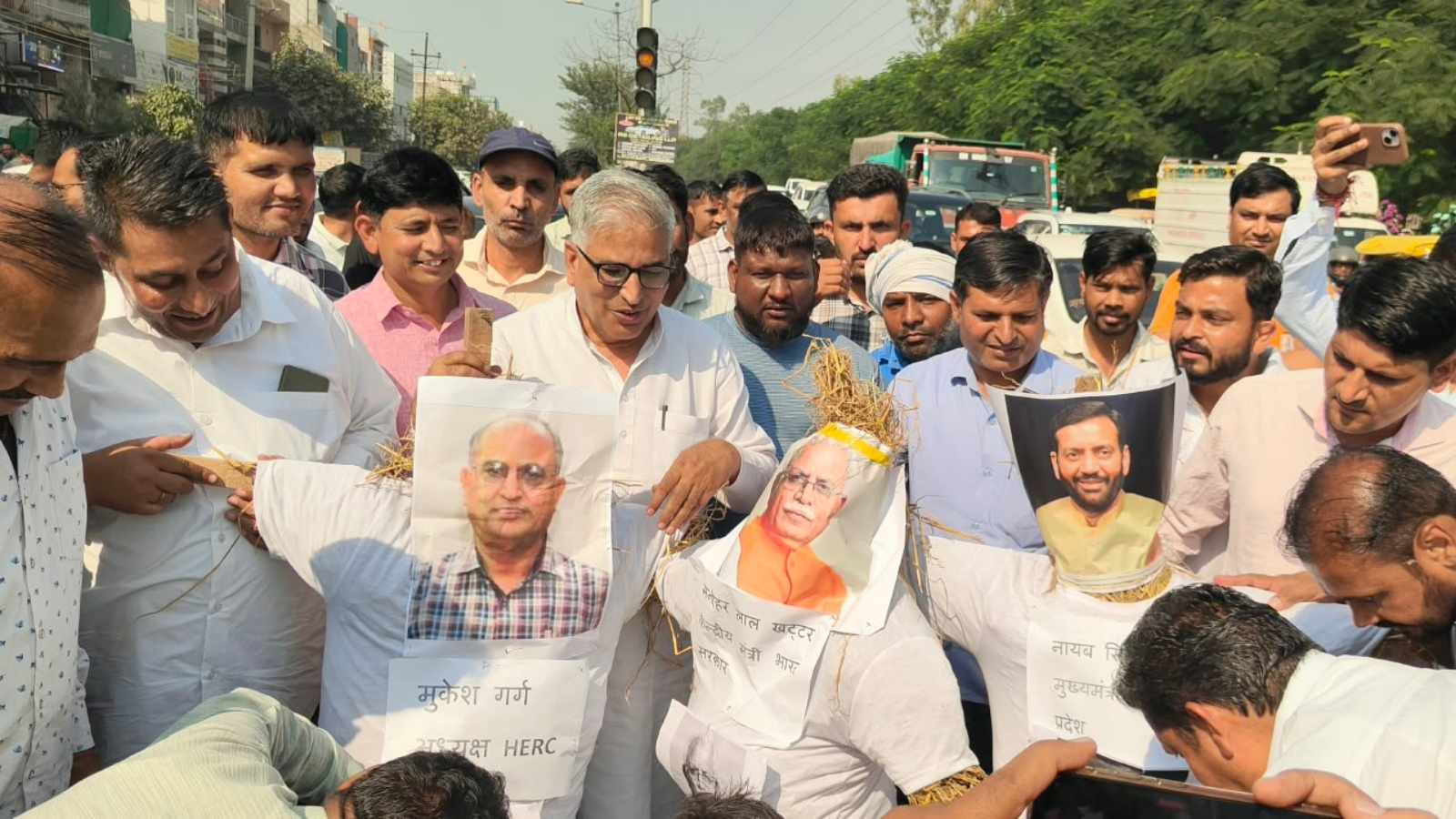
Electricity workers in Haryana have launched a three-day strike against the privatization of power distribution, causing widespread outages in Gurugram, Faridabad, and Nuh. The resulting disruption has severely impacted residential life, remote work, and students, with thousands of complaints filed within hours.
The Crisis of Privatization: Power Outages Grip Haryana
A massive industrial action by electricity department employees has plunged the districts of Gurugram, Faridabad, and Nuh into a state of severe crisis. Beginning on the night of October 22, a three-day strike led by the All India Power Corporation and various employee unions has effectively paralyzed the power grid, leaving thousands of residents and industrial units without essential services. The protest is a direct response to the Haryana government's move toward the privatization of power distribution companies (discoms).
The Human Impact of Grid Failure
For residents like Ashish Sardana, an AI professional residing in Gurugram’s Sector 7, the strike resulted in a total collapse of domestic infrastructure. The loss of electricity triggered a cascading failure: inverters depleted their charge, water pumps ceased to function, and internet connectivity—a lifeline for the modern workforce—was severed. This scenario highlights the extreme vulnerability of urban households that rely entirely on a stable grid to maintain both their professional obligations and essential daily hygiene.
Disruption to Education and Industry
Beyond the immediate inconvenience, the strike has cast a shadow over the academic future of students in the region. As reported, families preparing for critical engineering entrance and government competitive examinations have been forced to halt their studies, as the lack of power and internet renders digital resources and evening study sessions impossible. Economically, the impact is equally severe; industrial units across these major districts are facing downtime, leading to significant productivity losses and operational instability.
Scale of the Infrastructure Breakdown
The sheer scale of the disruption is evidenced by the volume of complaints received by the Dakshin Haryana Bijli Vitran Nigam (DHBVN). Within the first 12 hours of the strike, the department logged over 3,000 individual grievances. This number, provided by an official speaking on condition of anonymity, underscores the inadequacy of contingency plans and the critical dependency of these districts on a workforce that has now fully withdrawn its services.
Public Unrest and Future Implications
The frustration caused by this multi-district blackout has led to visible public unrest, with residents taking to the streets to voice their anger against the lack of basic utilities. This situation presents a complex challenge for the Haryana government, which must now balance the administrative push for energy sector reform and privatization against the immediate necessity of restoring public order and essential services. The strike serves as a stark reminder of the social friction that occurs when labor rights and the state's economic policy agendas collide in a densely populated, service-oriented economy.