Gurumurthy delivers YGP Centenary Year Memorial Lecture on Indian Civilisation
Source Entity
India Latest News: Top National Headlines Today & Breaking News | The Hindu
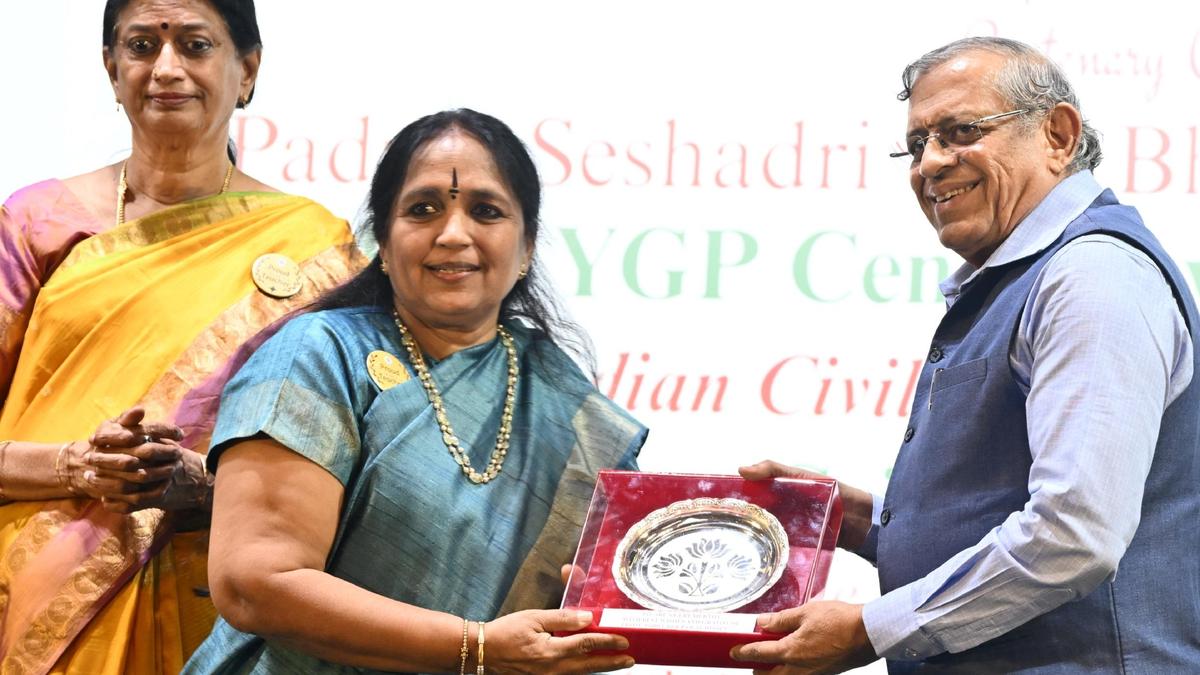
S. Gurumurthy delivered a lecture on Indian civilization, highlighting a perceived trend where Indian Gen Z is being influenced toward rebellion. He contrasted this with Western Gen Z, who he suggests are increasingly engaging with past cultural artifacts.
The Cultural Trajectory of India's Gen Z
At the Dr. (Mrs.) YGP Centenary Year Memorial Lecture, held in Chennai, S. Gurumurthy, editor of Thuglak and chairman of the Vivekananda International Foundation, offered a provocative critique of the current cultural conditioning of India’s youth. Themed 'Indian Civilisation: Past Glory or Future Guide,' the lecture served as a platform for Gurumurthy to examine the shifting identity of the demographic cohort known as Gen Z within the Indian context.
Contrasting Global and Local Generational Trends
Gurumurthy drew a sharp contrast between the developmental environment of Indian youth and their counterparts in Europe, Japan, and America. He posited that while Western Gen Z cohorts are showing a resurgence of interest in the cultural output of the 1960s, 70s, and 80s—engaging with the music and literature of previous decades—the Indian experience is being steered in a different direction. According to his analysis, the youth in India are being systematically 'created' as a generation defined by rebellion.
The Anatomy of Engineered Rebellion
Central to the lecture was the argument that this rebellious nature is not necessarily an organic evolution but an externally influenced construct. Gurumurthy highlighted that this trend manifests as a systematic questioning and resistance toward foundational pillars of society, including the family unit, traditional values, established religious frameworks, and the broader social system. This framing suggests a deliberate shift in the sociological development of young Indians.
Implications for Indian Civilisation
By situating this discussion within the framework of a memorial lecture regarding Indian civilization, the speaker elevated the discourse from mere generational observation to a broader concern for national continuity. The tension described—between a society anchored in historical tradition and a younger generation encouraged to dismantle those very structures—poses significant questions regarding the future of Indian social cohesion and cultural identity.
Future Outlook and Societal Impact
Looking forward, the divide identified by Gurumurthy suggests that the role of educational institutions and family structures will be tested as they navigate these conflicting cultural currents. If the trend of 'rebellion as identity' persists, it may lead to a fundamental reordering of societal norms in India, distinct from the nostalgic cultural reclamation observed in the West. This lecture serves as a catalyst for deeper academic inquiry into how identity formation is being influenced by modern socio-political discourse.
Verification Required?