Nearly 500 Died While Cleaning Sewers Or Septic Tanks Since 2019: Centre
Source Entity
NDTV News Search Records Found 1000
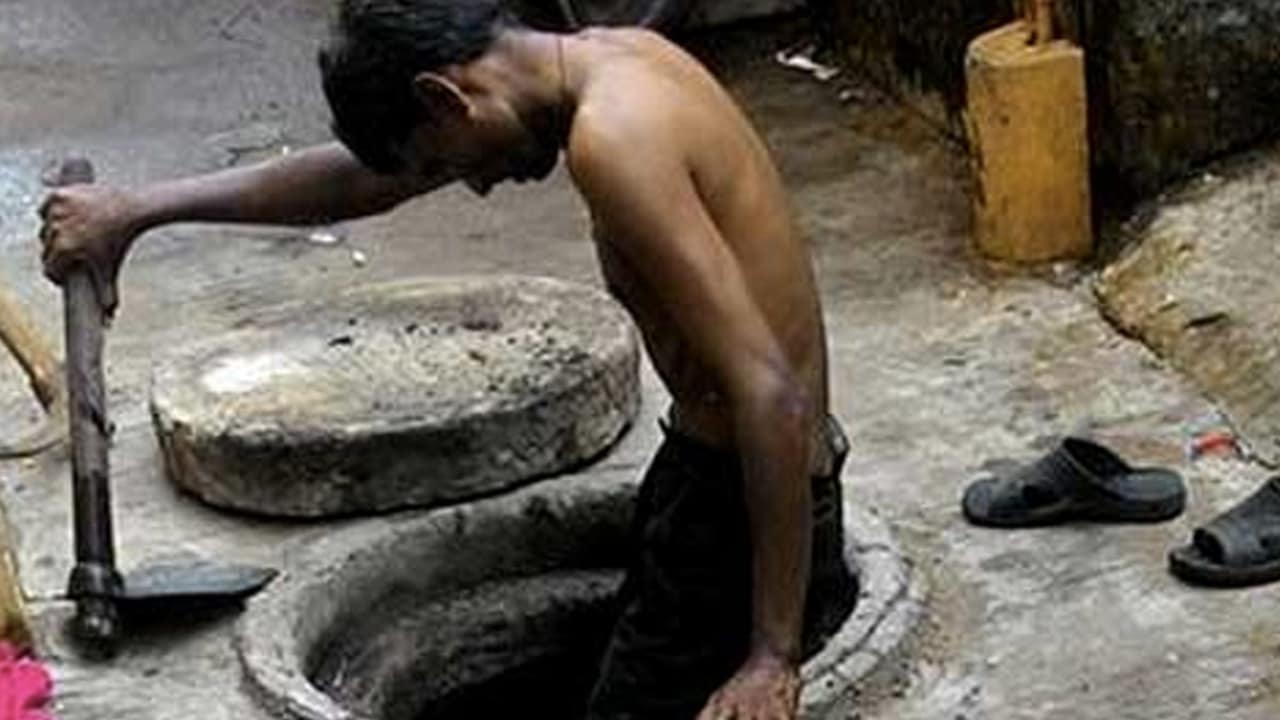
The Indian government reported that nearly 500 individuals have died cleaning sewers or septic tanks since 2019. Despite these fatalities, officials maintain that no deaths have been officially attributed to the practice of manual scavenging.
The Crisis of Sewer Deaths in India
The recent disclosure by the Indian government that nearly 500 individuals have lost their lives while cleaning sewers or septic tanks since 2019 highlights a persistent and harrowing public health crisis. This figure underscores the extreme risks faced by sanitation workers, who often operate in hazardous environments without adequate safety equipment or institutional oversight. While these numbers reflect the reality of the dangers involved in manual sewage maintenance, they also bring to light the complexities of labor classification and reporting protocols within the country's sanitation sector.
The Contradiction in Official Reporting
A significant point of contention arises from the government's official stance, which asserts that "no death has been reported due to manual scavenging." This semantic distinction rests on the legal definition of manual scavenging, which was prohibited under the Prohibition of Employment as Manual Scavengers and their Rehabilitation Act, 2013. By categorizing these fatalities as deaths due to "sewer or septic tank cleaning" rather than "manual scavenging," authorities create a bureaucratic divide that complicates efforts to provide justice and rehabilitation for the families of the deceased.
Historical Context and Legal Framework
Manual scavenging, the practice of manually cleaning, carrying, or disposing of human excreta, has deep-rooted historical ties to the caste system in India. The 2013 legislation was a landmark attempt to eradicate this practice and provide alternative livelihoods for those engaged in it. However, the recurring nature of these fatalities suggests that the transition toward mechanized cleaning has been slow and uneven. The persistence of these deaths indicates that while the law forbids the practice, the socioeconomic conditions that force individuals into these dangerous roles remain largely unaddressed.
Broader Implications for Labor Safety
The reliance on human labor for cleaning hazardous underground infrastructure speaks to a systemic failure in urban planning and infrastructure maintenance. As cities expand, the pressure on aging sewer systems increases, often leading to blockages that require urgent clearing. When municipalities or private contractors prioritize speed and cost-cutting over the implementation of advanced mechanized cleaning technology, workers are frequently pushed into confined, toxic spaces. This cycle of negligence exposes a critical gap in the enforcement of occupational safety standards.
Future Trends and Policy Necessity
Moving forward, the resolution of this crisis requires more than just legislative prohibition; it necessitates a robust technological intervention and a shift in administrative accountability. The path toward preventing these tragedies lies in the widespread adoption of sewer-cleaning robots and the strict enforcement of safety protocols that mandate mechanized intervention. Furthermore, the government must reconcile its reporting metrics to ensure that every life lost in the pursuit of sanitation is acknowledged, regardless of the legal semantics, to drive meaningful policy changes that prioritize human life over bureaucratic definitions.
Verification Required?