India New Live Updates, 5 August 2026: IMD red alert for Assam, Meghalaya as monsoon intensifies
Source Entity
The Indian Express
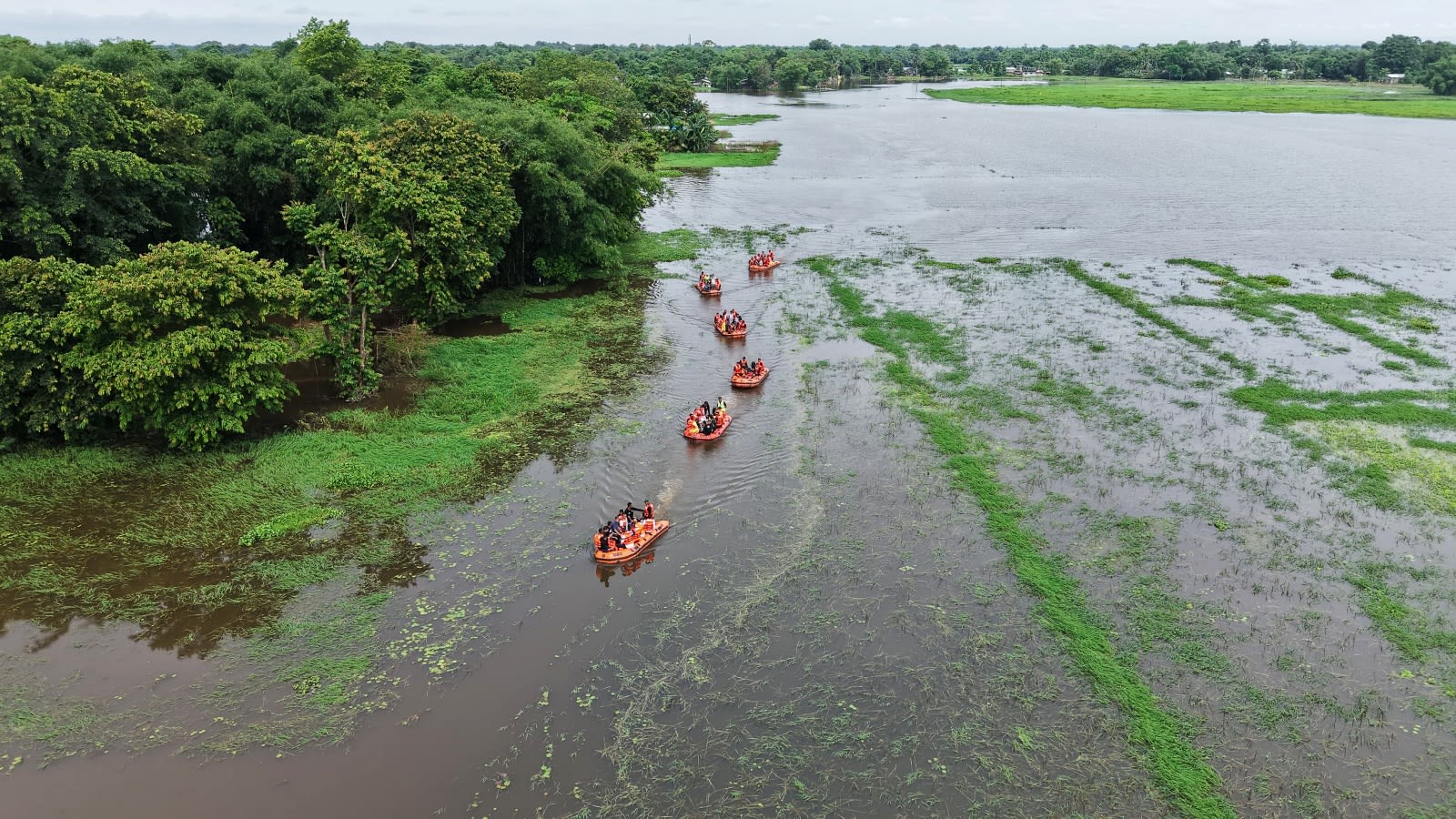
The India Meteorological Department has issued red alerts for heavy rainfall across multiple states, including Assam, Meghalaya, and Kerala. These weather patterns exacerbate ongoing flood crises, particularly in Assam, where monsoon-related fatalities have already surpassed 75 this season.
Monsoon Intensity Triggers Nationwide Red Alerts
As of August 5, 2026, the India Meteorological Department (IMD) has escalated its weather warnings, issuing a red alert for Assam and Meghalaya due to the anticipation of heavy to very heavy rainfall, with isolated pockets expected to face extremely heavy downpours. This intensification of the monsoon is not limited to the Northeast; a wide swath of the country, including Arunachal Pradesh, Bihar, Konkan, Goa, Madhya Maharashtra, Odisha, Sub-Himalayan West Bengal, Sikkim, Uttar Pradesh, and Uttarakhand, remains under watch for significant precipitation. The current meteorological data suggests a widespread and sustained atmospheric instability that is testing the disaster management infrastructure across these diverse geographic regions.
The Humanitarian Crisis in Assam
Perhaps the most concerning aspect of this weather event is the compounding effect it has on Assam. Having already recorded over 75 flood-related deaths this season, the state is currently in a state of high vulnerability. The arrival of fresh, extremely heavy rainfall threatens to derail recovery efforts in districts already grappling with the aftermath of previous inundations. This cycle of flooding not only causes immediate loss of life but also leads to widespread displacement, destruction of critical infrastructure, and long-term economic instability for agricultural communities that depend on stable seasonal patterns.
Expanding Risks to Southern India
While the Northeast remains a primary focus, the southern state of Kerala is also facing severe weather conditions. Authorities have placed Alappuzha and Pathanamthitta under a red alert, anticipating not just heavy rainfall but also high-velocity winds reaching up to 60 kmph. This combination of heavy rain and wind poses a significant risk of tree falls, structural damage, and coastal surges, necessitating proactive evacuation and emergency preparedness measures for residents in these low-lying districts.
Meteorological Context and Climate Trends
The current monsoon trajectory reflects a broader trend of erratic and intense rainfall events that have become increasingly common in the Indian subcontinent. The IMD's reliance on red alerts serves as a critical tool for disaster risk reduction, providing local governments with the necessary lead time to mobilize response teams. However, the geographic spread of these alerts—stretching from the Himalayan foothills to the coastal plains of the Konkan region—highlights the logistical challenge of managing simultaneous climate-induced crises in different parts of the country.
Future Implications for Disaster Management
Looking ahead, the frequency of such intense monsoon events necessitates a shift in how regional authorities approach urban and rural planning. With states like Bihar and Uttarakhand also under alert, the potential for landslides and riverine flooding remains high. The current situation underscores the need for robust, real-time data integration to mitigate the impacts of these extreme weather events. As the nation continues to navigate the monsoon season, the focus must remain on strengthening early warning systems and ensuring that aid effectively reaches the most vulnerable, displaced populations in the affected districts.