Modi govt picks a Sikh again to head minorities panel
Source Entity
TNN
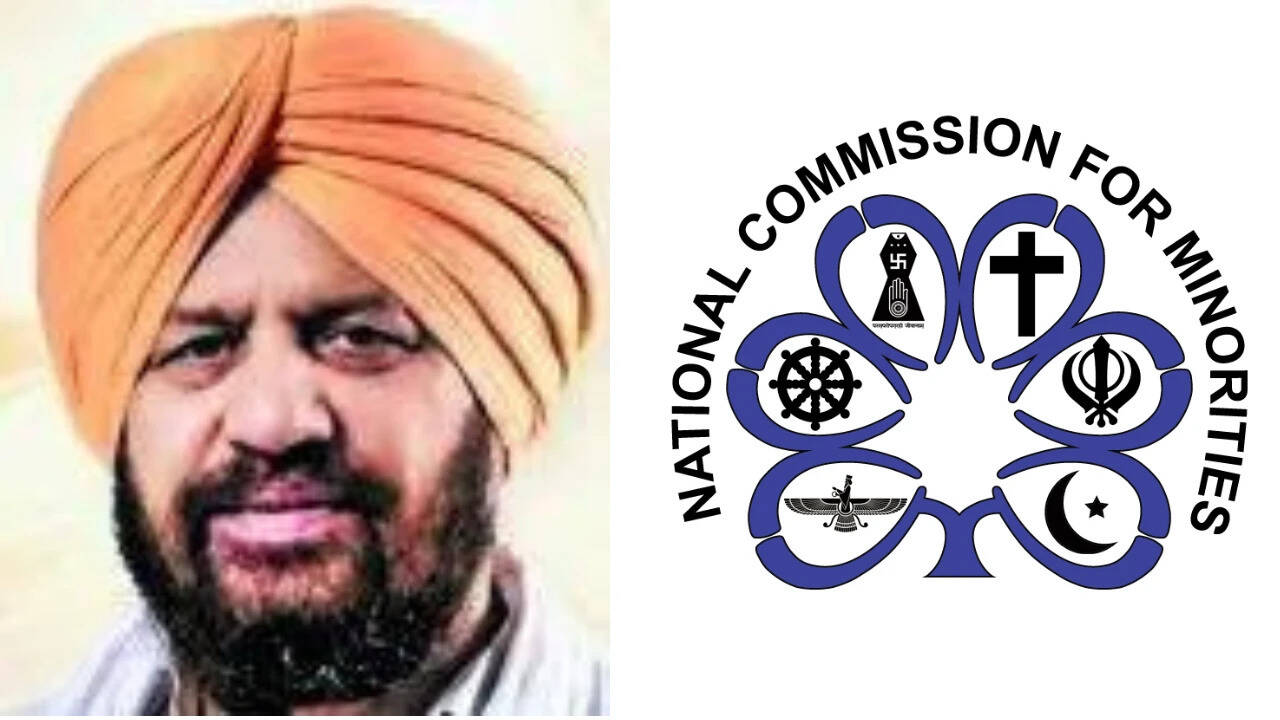
The Indian government has appointed Harjit Singh Grewal as the new chairman of the National Commission for Minorities, ending a 15-month vacancy. This appointment marks the second consecutive time a Sikh leader has been chosen to lead the commission under the current administration.
A New Chapter for the National Commission for Minorities
The appointment of Harjit Singh Grewal as the chairman of the National Commission for Minorities (NCM) marks a significant administrative development in New Delhi. After the position remained vacant for 15 months following the conclusion of Iqbal Singh Lalpura’s three-year tenure in April 2025, the government has finally filled the leadership void. This transition is not merely a bureaucratic formality but a strategic move that restores the NCM to full functional capacity after a prolonged period of inactivity.
Continuity in Representation
Harjit Singh Grewal’s selection as the second Sikh leader to head the NCM under the current administration reflects a clear continuity in policy. By selecting a Sikh representative, the government continues a trend that diverged from the commission's historical norm. Since its inception in 1993, the NCM was primarily led by members of the Muslim community, with rare exceptions such as the tenure of Tarlochan Singh between 2003 and 2006. The transition from Iqbal Singh Lalpura to Grewal suggests a sustained preference for this leadership profile within the current political framework.
Historical Context and Institutional Evolution
The National Commission for Minorities serves as a vital statutory body tasked with safeguarding the rights and interests of India's notified minority communities. Its leadership history reveals shifting political priorities over the decades. From the tenure of Naseem Ahmad (2014-2017) to Syed Ghayorul Hasan Rizvi (2017-2020), the commission has navigated diverse socio-political landscapes. The recent focus on Sikh leadership indicates a recalibration of how the government engages with the minority discourse, moving away from the traditional patterns established in the early years of the commission.
Implications for Future Policy
The timing of Grewal’s appointment is particularly noteworthy, occurring in the lead-up to the 2027 Punjab assembly elections. The NCM plays a critical role in addressing grievances and monitoring the development of minority communities, and the appointment of a new chair is expected to reinvigorate the commission's outreach. Analysts suggest that this move could be seen as an effort to bolster the administration's engagement with the Sikh community, providing a platform for dialogue and grievance redressal on a national scale.
Addressing the Vacancy Gap
The 15-month vacancy preceding Grewal's arrival had drawn criticism regarding the operational efficacy of the NCM. Statutory bodies like the NCM are essential for the democratic health of the nation, acting as a bridge between the government and the minority populations it serves. With Grewal now in place, the commission is better positioned to resume its mandate, which includes conducting studies, evaluating the progress of minority development programs, and providing recommendations to the central government.
Concluding Outlook
As Harjit Singh Grewal assumes his role, the focus shifts to how he will leverage his position to address the pressing issues facing minority communities across India. The appointment signifies a stabilization of the NCM’s leadership structure, potentially setting the stage for more proactive interventions in the coming years. By choosing a successor to Lalpura, the government has signaled its intent to maintain the current trajectory of the commission's leadership, ensuring that the body can effectively navigate the complex social dynamics of the Indian polity.