How Rahul Gandhi pulled off his secret protest at PM’s residence
Source Entity
Asad Rehman
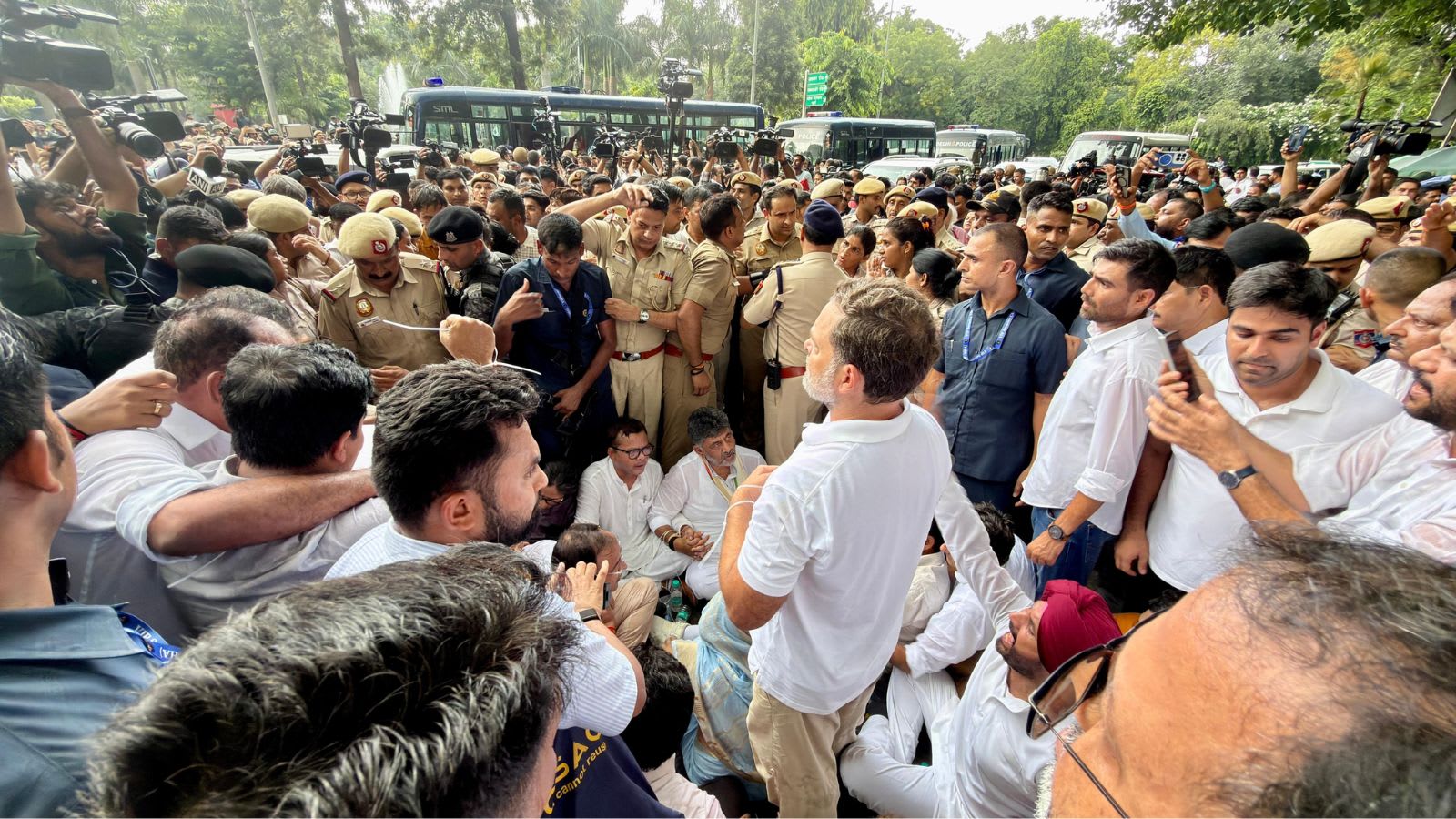
The first day of the Monsoon Session of Parliament faced total disruption due to widespread protests over the NEET paper leak and Ayodhya temple donation theft. Outside, police clashed with thousands of demonstrators in central Delhi, while inside, legislative business was limited to the introduction of a Supreme Court expansion bill.
Parliament Monsoon Session Paralyzed by Protests
The Monsoon Session of the Indian Parliament commenced on a volatile note this Monday, July 20, 2026, as both houses faced repeated disruptions that effectively washed out the first day of legislative business. The intensity of the opposition's dissent, mirrored by massive civil unrest in the streets of New Delhi, signals a high-stakes legislative period characterized by deep political friction and public scrutiny.
The NEET Controversy and Public Unrest
At the core of the parliamentary deadlock is the contentious issue of the NEET paper leak and alleged irregularities in CBSE examinations. The public anger surrounding these academic integrity concerns spilled into the streets, with tens of thousands of protesters—led largely by the Cockroach Janta Party (CJP)—converging on Lutyens’s Delhi. The demand for the resignation of Union Education Minister Dharmendra Pradhan turned violent, as security forces were forced to deploy lathicharges, tear gas, and water cannons to prevent demonstrators from breaching the parliamentary perimeter.
Parliamentary Gridlock: A Multi-Front Opposition
Inside the Lok Sabha and Rajya Sabha, the atmosphere was equally charged. Opposition MPs from the Congress, SP, and Trinamool Congress (TMC) descended into the Well of the House, demanding accountability. The protest agenda was broad, encompassing not only the NEET crisis but also allegations of theft regarding donations at the Ram Temple in Ayodhya. The lack of a unified front was notable, however, as the DMK chose to focus on the Mekedatu water project issue and opted out of a coordination meeting with the Congress-led opposition, highlighting the fragmented nature of the current parliamentary opposition.
Legislative Priorities Amidst Chaos
Despite the frequent adjournments—totaling six throughout the day before the session was called off at 3 p.m.—the government managed to push through a significant piece of legislation. Union Law Minister Arjun Ram Meghwal introduced a bill to replace an existing ordinance that increases the strength of the Supreme Court of India from 34 to 38 judges, including the Chief Justice. This legislative maneuver suggests that the government remains focused on judicial infrastructure expansion even as it faces intense political pressure.
Strategic Implications and Future Trends
The events of July 20 reflect a broader trend of increasing street-to-parliament connectivity, where civil movements exert direct pressure on legislative proceedings. The focus on the Ram Temple donation theft indicates that the opposition is attempting to challenge the government on issues that hold deep symbolic resonance, while the NEET protests highlight a persistent vulnerability regarding youth employment and educational credibility. As the session continues, the government will likely face a recurring struggle to maintain order while attempting to pass its legislative agenda.
Conclusion
As the Monsoon Session moves forward, the ability of the government to address the opposition's demands for accountability regarding the NEET scandal will be the primary determinant of whether the remainder of the session remains productive or descends into further paralysis. The first day serves as a stark reminder that the intersection of high-profile corruption allegations and student-led frustration is a potent catalyst for legislative instability in the Indian political landscape.
Multiple Citing Sources