‘Doing seva’: Meet volunteers keeping Jantar Mantar functioning and clean
Source Entity
The Indian Express
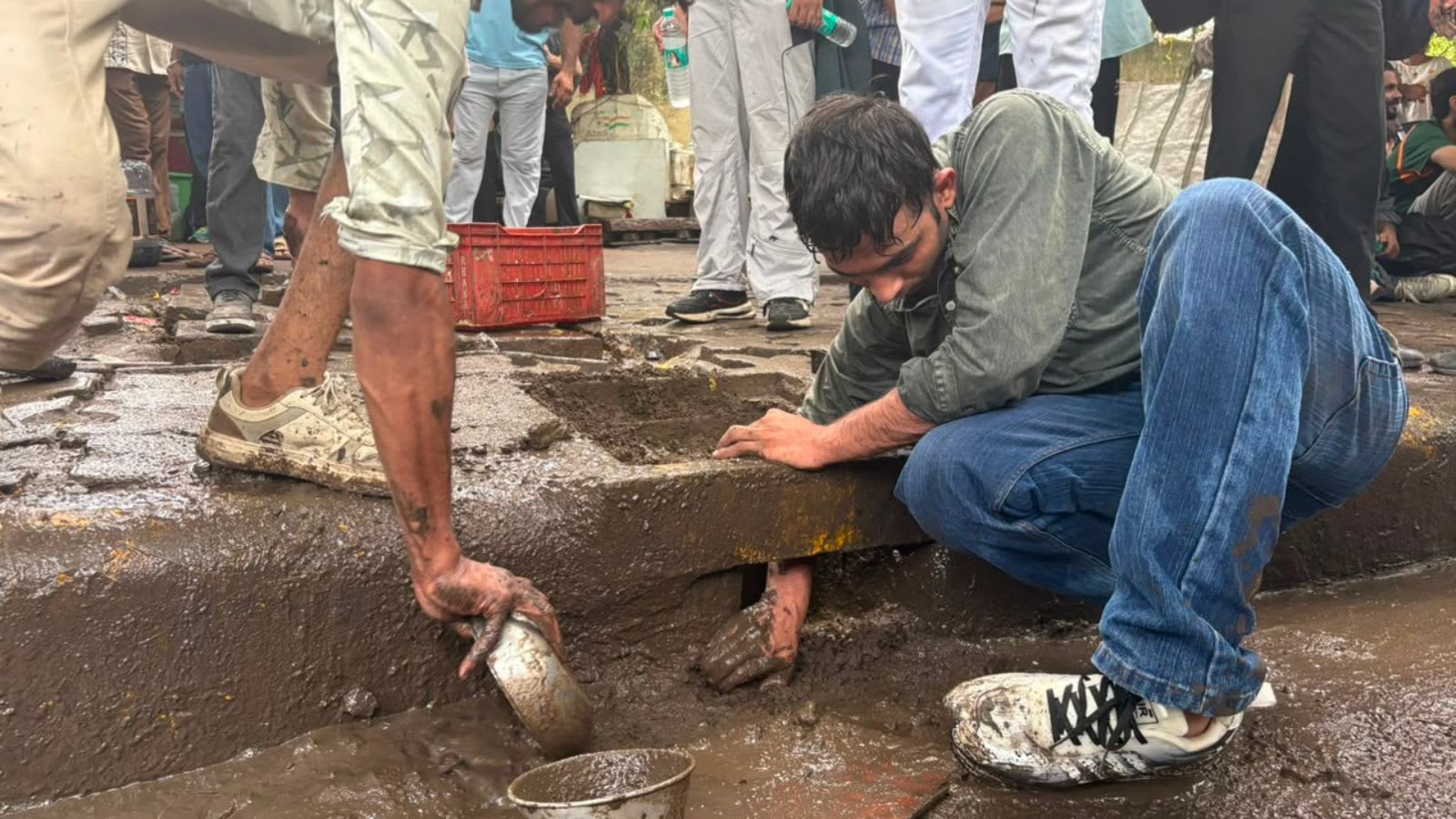
Protestors gathered at Jantar Mantar following the NEET-UG 2026 paper leak face police crackdowns but show resilience. The movement has gained public support through crowdsourced food deliveries and volunteer-led sanitation efforts at the site.
Resilience and Solidarity at the NEET-UG 2026 Protests
The ongoing demonstrations at Jantar Mantar, spearheaded by the Cockroach Janta Party (CJP) in response to the NEET-UG 2026 paper leak, have evolved into a significant display of civic solidarity. Despite a heavy-handed police crackdown during a march toward Parliament, participants have shown remarkable tenacity. Many individuals, including teachers, students, and unemployed graduates, returned to the site on Tuesday despite suffering injuries the previous night, underscoring a collective resolve that transcends physical pain.
The Role of Digital Crowdsourcing in Activism
A notable development in this protest is the utilization of digital platforms to sustain the movement. As the demonstrations intensified, internet users from across the country began utilizing delivery services like Zomato and Swiggy to send meals to the protest site. This crowdsourced support—exemplified by viral videos of delivery partners navigating adverse weather to reach students—highlights how modern technology is being leveraged to provide material sustenance to grassroots movements, effectively bypassing traditional logistical barriers.
Volunteerism and Civic Responsibility
Beyond the immediate demands for accountability regarding the NEET-UG exam, the protest site has become a space for community-driven maintenance. Volunteers like Suhail Khan and Pramod Pal have taken it upon themselves to ensure the site remains hygienic, performing tasks such as clearing clogged drains with their bare hands. This ethos of 'seva' (service) reflects a broader sentiment that maintaining the dignity of public space is a shared responsibility, regardless of the cause or the location.
The Human Cost of Dissent
The crackdown on the march to Parliament has left many protesters with injuries, yet the atmosphere at Jantar Mantar remains defiant. Personal accounts, such as that of Ajit Singh, a teacher who returned to the protest site directly from the hospital, illustrate the deep-seated grievances fueling the movement. The presence of a makeshift relief area at the site serves as a vital hub for those injured, allowing the protest to continue despite external pressures.
Broader Implications and Future Trends
The NEET-UG 2026 paper leak has clearly struck a chord with the youth and the academic community, transforming a localized protest into a national conversation. The intersection of digital-age logistics and traditional methods of civil disobedience suggests a shift in how Indian protests are organized and maintained. As the government faces mounting pressure to address the examination irregularities, the resilience of these protesters suggests that the movement will likely persist until concrete changes are implemented.
Conclusion
The situation at Jantar Mantar is a complex interplay of frustration, solidarity, and civic duty. While the immediate focus remains on the NEET-UG controversy, the methods by which the protesters sustain their presence—through remote digital support and on-site volunteerism—demonstrate a high level of organization and commitment. The coming days will be critical in determining whether these efforts lead to systemic policy shifts or continued friction between the state and the student body.
Multiple Citing Sources