Indian-American Harmeet Dhillon quits as US civil rights chief after midterm poll rout
Source Entity
TRISHA MAHAJAN
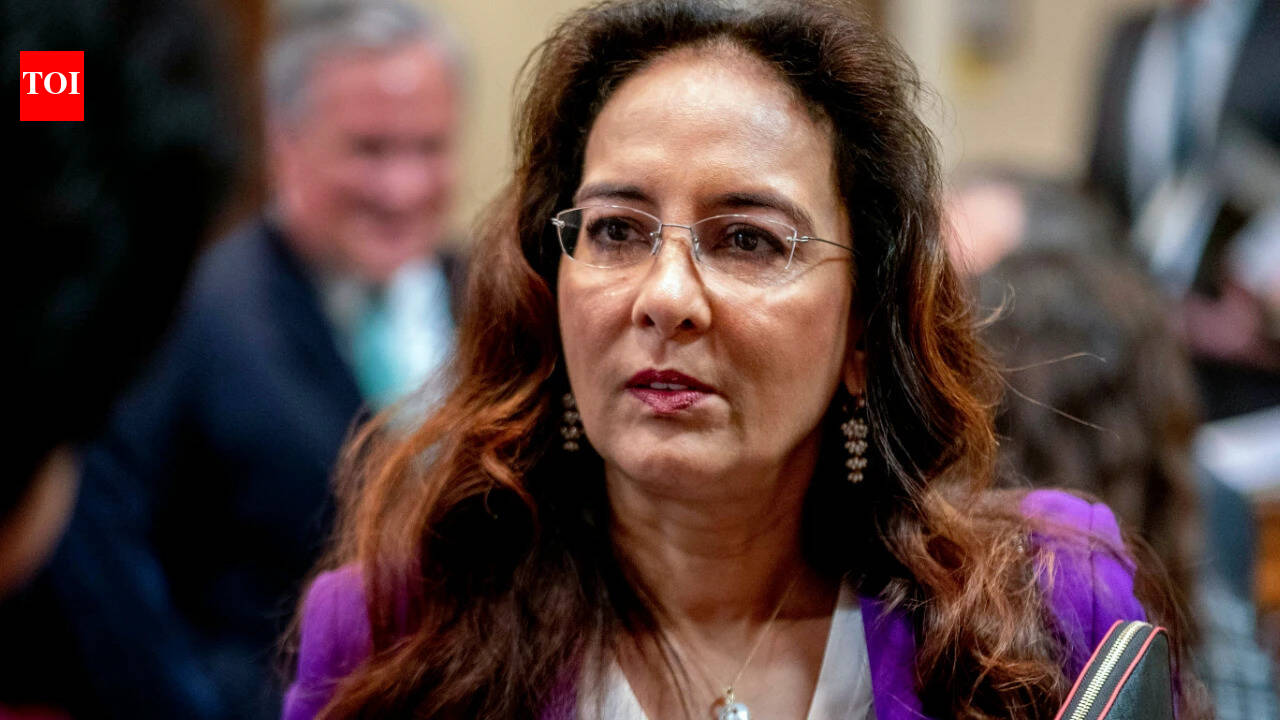
Harmeet Dhillon has resigned as the head of the DOJ's Civil Rights Division following the Republican party's losses in the 2026 midterm elections. Her tenure was marked by a significant shift in enforcement priorities, focusing on university admissions and diversity policies rather than traditional police practice investigations.
The Departure of Harmeet Dhillon: A Shift in DOJ Priorities
Harmeet Dhillon, the Indian-American lawyer who served as the assistant attorney general for Civil Rights, has officially resigned from her position leading the Justice Department’s Civil Rights Division. This move, confirmed by Attorney General Todd Blanche on social media, marks the first high-profile departure of a senior official following the 2026 midterm elections. Her exit comes just two days after the Democratic Party secured control of both chambers of Congress, signaling a potential period of transition for the current administration's legal strategy.
A Transformative Tenure
Since her Senate confirmation in April 2025, Dhillon’s leadership represented a departure from established norms within the Civil Rights Division. Over the past 18 months, she steered the division away from its traditional focus on investigating local police practices and voting rights protections. Instead, she pivoted the department's resources toward contentious social issues, specifically targeting university admissions policies, diversity initiatives, and allegations of antisemitism on college campuses. This reorientation was a hallmark of her tenure and drew both vocal support from her allies and intense scrutiny from critics.
Political Context and Midterm Impact
The timing of Dhillon's resignation is inextricably linked to the results of the 2026 midterms. As the administration faces a new legislative reality with a Democratic-controlled Congress, the departure of a figure so closely aligned with the Trump administration's legal agenda suggests a broader recalibration. Her resignation is widely viewed by political analysts as an early indicator of the administrative churn typically seen when an executive branch loses its legislative majority, forcing a reassessment of personnel and policy priorities.
Internal Friction and Public Controversy
Dhillon’s time at the helm of the Civil Rights Division was not without controversy. While Attorney General Todd Blanche publicly praised her for leading with "conviction" and defending civil liberties, her tenure faced significant internal and external pushback. Critics often pointed to workforce reductions within the division and the redirection of investigative focus as evidence of a weakened federal oversight apparatus. The shift in focus toward investigating Trump critics and specific voter data disputes further fueled the perception that the division had become a tool for political objectives rather than traditional civil rights enforcement.
Looking Ahead: The Future of the Civil Rights Division
As the administration looks toward the remainder of its term, the vacancy left by Dhillon presents a critical test for Attorney General Blanche. The next appointee will need to navigate a politically hostile congressional environment while deciding whether to continue the aggressive, policy-focused agenda established by Dhillon or to return the division to its more traditional oversight roles. This transition period will likely be a focal point for legislative oversight committees, which are expected to scrutinize the division’s activities during the last 18 months.
Conclusion
Harmeet Dhillon’s departure concludes a highly impactful and divisive chapter at the Department of Justice. By prioritizing university admissions and diversity policies over historical investigative mandates, she left an indelible mark on the division's trajectory. Her exit now sets the stage for a period of transition that will be defined by how the administration balances its remaining political capital with the necessity of maintaining institutional stability in a polarized political climate.
Multiple Citing Sources