Indian-American DOJ civil rights chief Dhillon resigns after GOP midterm rout
Source Entity
GOKUL ANKARI
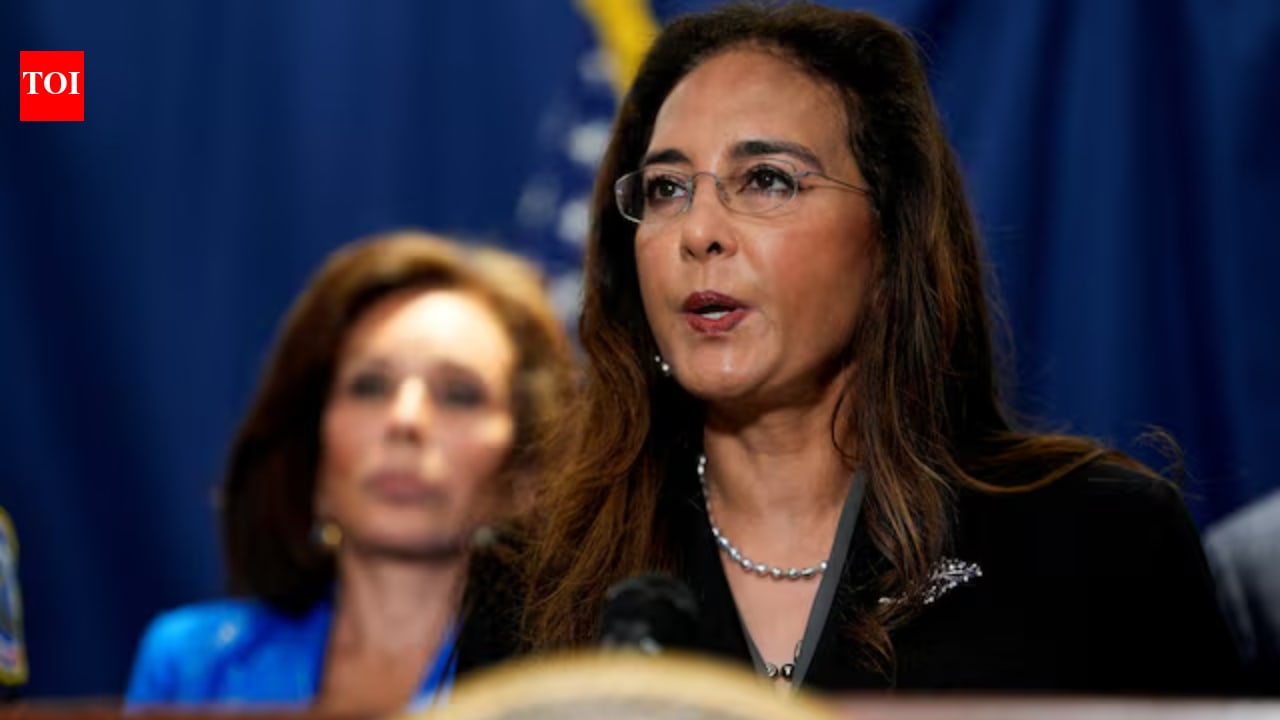
Harmeet Dhillon has resigned as head of the DOJ's Civil Rights Division following the Republican party's losses in the 2026 midterm elections. Her tenure was marked by a significant shift in enforcement priorities, focusing on university admissions and diversity policies.
The Departure of Harmeet Dhillon: A Shifting Legal Landscape
Harmeet Kaur Dhillon, the Indian-American lawyer who served as the Assistant Attorney General for Civil Rights, has officially resigned from her position leading the U.S. Justice Department’s Civil Rights Division. Her departure marks the first high-profile exit of a senior administration official following the 2026 midterm elections, where Democrats secured control of both chambers of Congress. Attorney General Todd Blanche confirmed the resignation on X, thanking Dhillon for her 18 months of service and her efforts in "defending the civil liberties of every American."
A Shift in Enforcement Priorities
Since her Senate confirmation in April 2025, Dhillon’s leadership represented a fundamental transformation of the Civil Rights Division. Moving away from the department's traditional focus on investigating local police practices, Dhillon redirected the division’s resources toward controversial areas of inquiry. Her tenure was characterized by a heavy emphasis on university admissions practices, the investigation of diversity, equity, and inclusion (DEI) initiatives, and a robust pursuit of cases alleging antisemitism on college campuses.
Controversies and Internal Friction
Dhillon’s tenure was not without significant internal and external pushback. The aggressive reorientation of the division’s mandate, coupled with workforce reductions under her leadership, sparked criticism from various civil rights advocates and legal observers. While she maintained that her actions were rooted in enforcing the law with conviction, critics often viewed the shifting focus as a departure from the division's historical mission of protecting marginalized communities and ensuring voting rights protections.
The Political Context of the 2026 Midterms
Her resignation comes as a direct response to the political fallout of the 2026 midterms. The Republican losses in these elections have created a new power dynamic in Washington, necessitating a recalibration of the administration’s personnel and policy goals. As the first official to step down, Dhillon’s exit signals a potential era of transition for the Department of Justice as it prepares to navigate a divided government and the challenges posed by a newly empowered Democratic legislative majority.
Broader Implications for Indian-American Leadership
Beyond the immediate political ramifications, Dhillon’s career serves as a case study for the increasing influence of Indian-origin leaders in American governance. Born in India and immigrating to the U.S. as a child, her rise to lead one of the most critical divisions within the DOJ highlights the growing diversity within the upper echelons of the federal government. However, her tenure also demonstrates the high stakes and scrutiny that accompany such positions, particularly when a leader’s policy agenda aligns with a polarizing political platform.
Future Trends and Conclusion
Looking ahead, the vacancy in the Civil Rights Division will be a critical focal point for the administration. The incoming leadership will need to decide whether to continue the path charted by Dhillon or to revert to more traditional enforcement priorities. As Congress shifts its oversight focus, the DOJ will likely face increased scrutiny regarding its past investigations into voter data and university policies. Dhillon’s departure is more than just a personnel change; it is the closing of a chapter that redefined the scope of federal civil rights enforcement in the mid-2020s.
Multiple Citing Sources