Haryana CM Nayab Singh Saini orders salary cuts, transfers over property ID irregularities
Source Entity
Latest News: Todays Latest News Headlines from India & World | Hindustan Times
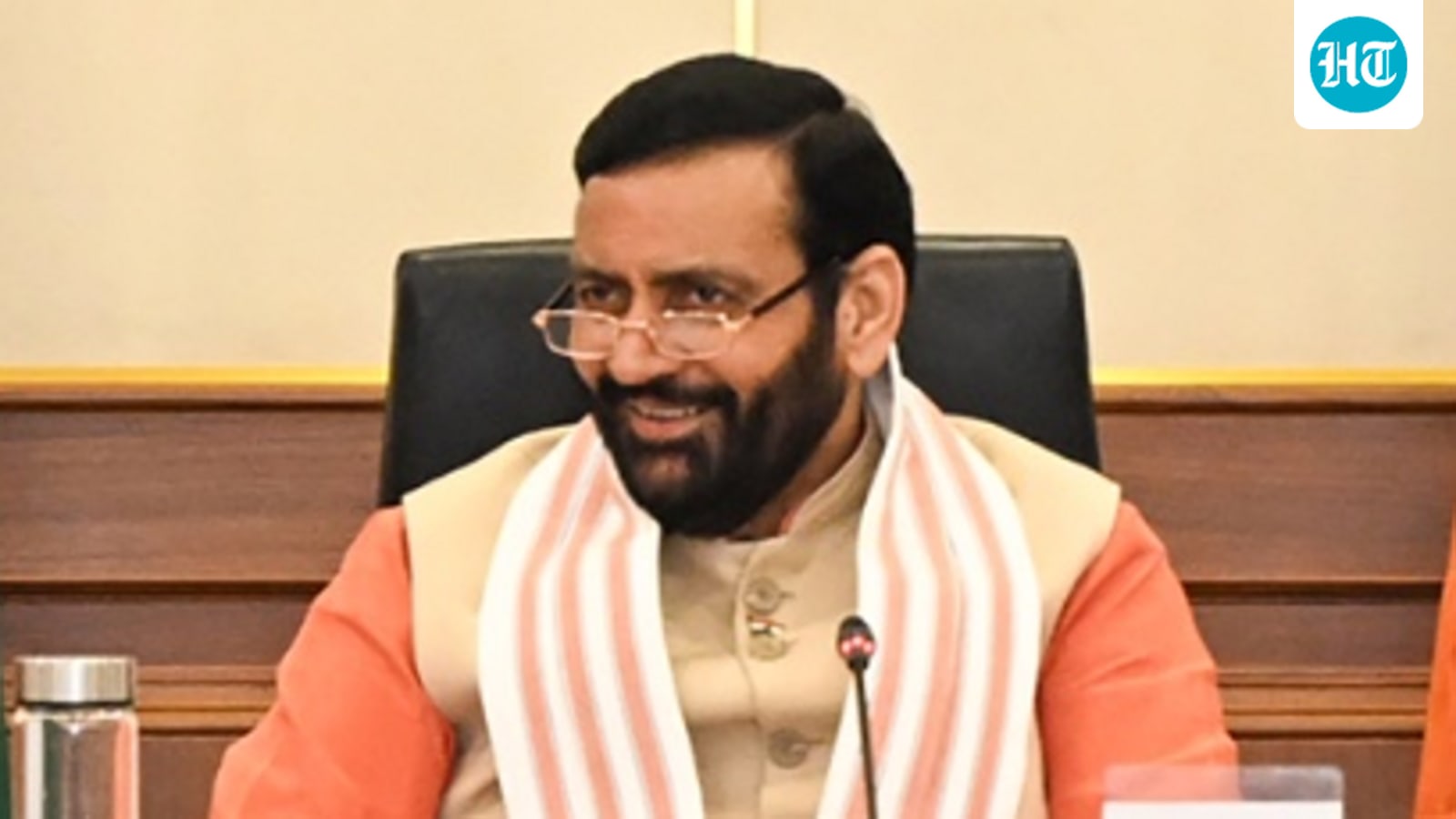
Haryana Chief Minister Nayab Singh Saini has initiated strict disciplinary action against multiple officials for administrative negligence and corruption. The measures include salary cuts, suspensions, and transfers following a review of public grievances.
Administrative Accountability in Haryana
Haryana Chief Minister Nayab Singh Saini has signaled a rigorous approach to governance by ordering immediate disciplinary actions against several state officials. During a recent monthly District Public Relations and Grievance Redressal Committee meeting, Saini addressed systemic failures ranging from property documentation irregularities to professional misconduct. This move underscores the government's focus on streamlining administrative efficiency and ensuring that public servants remain accountable to the citizens they serve.
Targeting Irregularities in Property IDs
A primary focus of the Chief Minister’s directive involved the Pataudi-Jatauli Mandi Municipal Council, where officials were found to have generated property IDs in violation of established protocols. Property identification systems are the backbone of urban municipal revenue and planning; when these are compromised through procedural bypasses, it undermines the integrity of land records. By imposing a 50% salary cut for three months, issuing charge sheets, and mandating transfers outside the National Capital Region (NCR), the administration is sending a strong deterrent signal against bureaucratic malpractice.
Addressing Professional Misconduct and Negligence
Beyond property records, the Chief Minister addressed interpersonal and operational failures within the administration. The suspension of a Municipal Corporation Gurugram patwari for misbehaving with a complainant highlights a shift toward prioritizing citizen-centric service delivery. Furthermore, the one-month salary deduction for a Public Works Department (PWD) executive engineer due to negligence in road restoration reflects a broader effort to ensure that infrastructure projects meet the quality and timeline standards expected by the public.
The Role of Grievance Redressal Mechanisms
The District Public Relations and Grievance Redressal Committee serves as a vital bridge between the state leadership and the grassroots level. By personally presiding over these meetings and disposing of 11 out of 15 complaints, Chief Minister Saini is emphasizing the importance of direct supervision. This mechanism allows the executive to identify recurring bottlenecks in local governance, such as the four remaining cases that were held back for further investigation.
Broader Implications for Governance
These actions are indicative of a push toward a 'zero-tolerance' policy regarding corruption and lethargy. In the context of Haryana’s rapidly urbanizing regions like Gurugram, maintaining the sanctity of property records and infrastructure quality is essential for sustainable development. Future trends suggest that the administration will likely continue to utilize these grievance meetings as a tool for performance appraisal, forcing departments to improve their internal checks and balances to avoid public embarrassment and financial penalties.
Conclusion
In summary, the decisive steps taken by Chief Minister Nayab Singh Saini serve as a reminder that administrative compliance is non-negotiable. By balancing punitive measures with a public platform for grievance resolution, the state government is attempting to restore public confidence in local municipal bodies. As the state continues to manage the complexities of NCR development, such proactive governance will be crucial in mitigating the risks of procedural fraud and professional neglect.
Verification Required?