Haryana Approves 100% Tax Exemption On Electric Vehicles Up To Rs 30 Lakh
Source Entity
NDTV News Search Records Found 1000
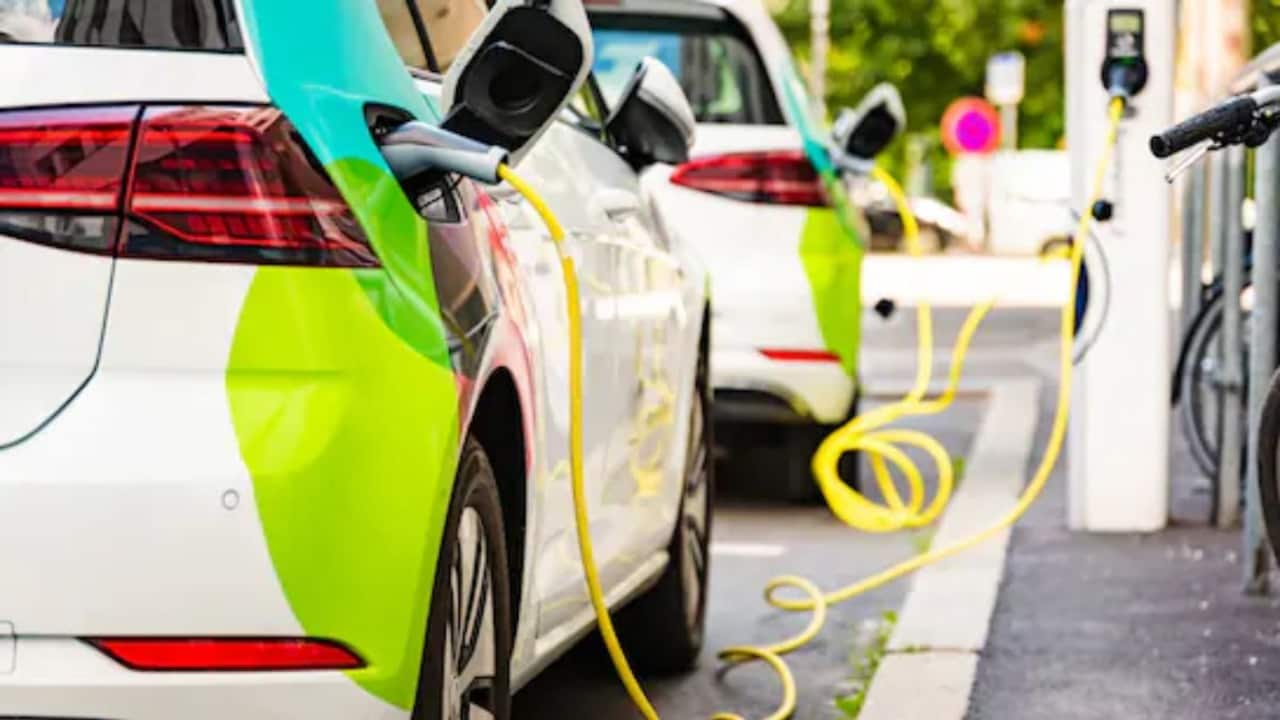
The Haryana government has introduced a new tax exemption policy for electric vehicles to boost adoption. Vehicles priced up to Rs 30 lakh will receive a 100% tax exemption, while those exceeding this threshold will get a 50% rebate.
Haryana's Strategic Shift Toward Electric Mobility
The Haryana government has officially announced a significant fiscal policy shift aimed at accelerating the adoption of electric vehicles (EVs) within the state. By approving a 100% tax exemption for electric vehicles priced up to Rs 30 lakh, the administration is positioning itself as a leader in India's green energy transition. This move is designed to lower the entry barrier for middle-class consumers, making sustainable transportation a more viable and economically attractive option compared to traditional internal combustion engine vehicles.
Tiered Incentives for Diverse Market Segments
Recognizing the diverse nature of the automotive market, the policy adopts a tiered approach. While mass-market vehicles benefit from full tax relief, the state has also addressed the luxury segment by offering a 50% tax rebate on electric vehicles priced above Rs 30 lakh. This balanced framework ensures that while the state incentivizes the transition for the average buyer, it also provides a pragmatic fiscal incentive for high-end consumers and corporate fleets, thereby covering a broader spectrum of the automotive ecosystem.
Economic and Environmental Implications
This policy is not merely a tax adjustment; it is a calculated effort to stimulate the local EV economy. By reducing the total cost of ownership, Haryana aims to increase the density of charging infrastructure and attract investments in EV manufacturing and assembly units within the state. From an environmental perspective, this initiative aligns with national goals to reduce carbon emissions and dependency on fossil fuels, contributing to a cleaner, more sustainable urban landscape.
Historical Context of EV Policy in India
India has been steadily moving toward an electric future through various FAME (Faster Adoption and Manufacturing of Hybrid and Electric Vehicles) schemes. Haryana’s latest decision complements these federal efforts by providing state-level fiscal support. Historically, states that have introduced early-stage tax incentives have seen a marked increase in EV registration numbers, suggesting that Haryana’s move will likely mirror these success stories by triggering a surge in consumer demand.
Future Trends and Market Outlook
Looking ahead, this tax exemption policy is expected to create a competitive landscape for automotive manufacturers operating in Haryana. As more consumers opt for EVs, the demand for service centers, battery recycling facilities, and grid-connected charging stations will grow, fostering a new 'green' job market. The long-term success of this policy will depend on the sustained implementation of these rebates and the continued expansion of supporting infrastructure, setting a robust precedent for other Indian states to follow in their pursuit of sustainable mobility.
Verification Required?