Hawaii’s 1905 mosquitofish import now linked to native species decline
Source Entity
TOI WORLD DESK
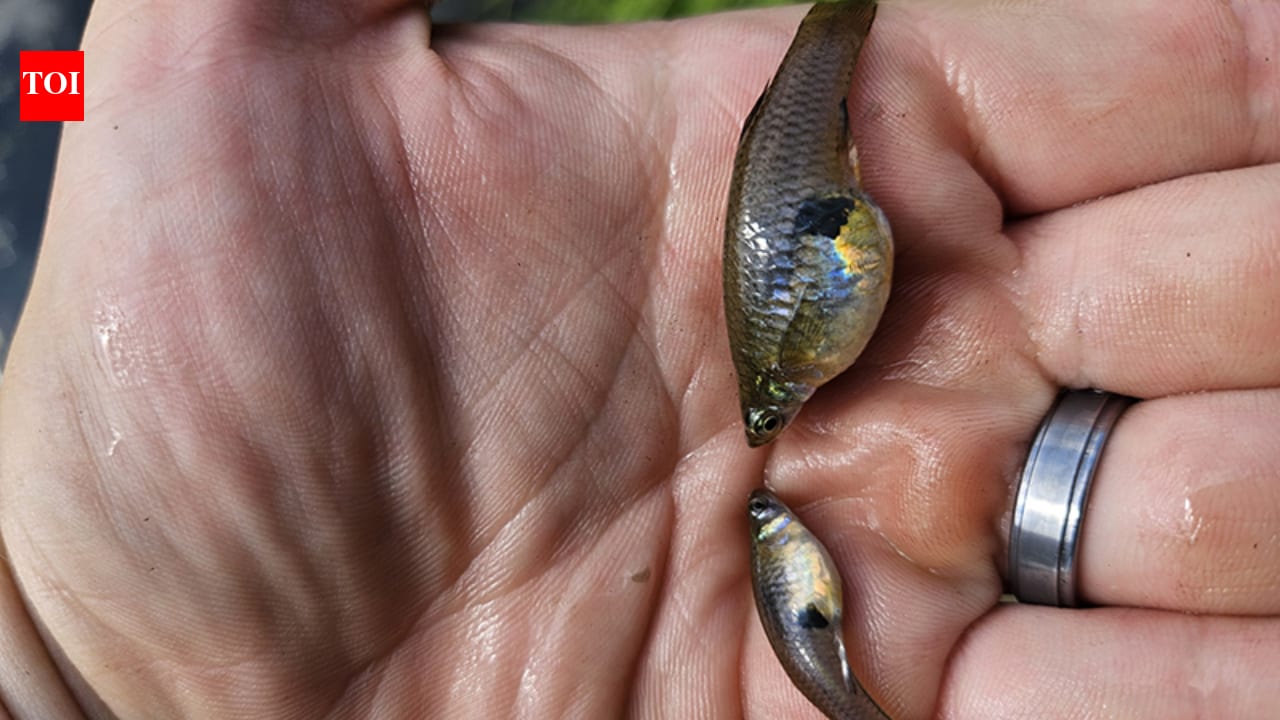
Introduced to Hawaii in 1905 for mosquito control, the invasive mosquitofish is now devastating native damselfly populations. Experts highlight the ecological disruption caused by these fish and the extreme difficulty of managing their spread in local waterways.
The Ecological Cost of 1905: Hawaii's Mosquitofish Crisis
A Legacy of Unintended Consequences
In 1905, the introduction of the eastern mosquitofish (Gambusia affinis) to Hawaii was hailed as a forward-thinking public health initiative. Designed to combat the spread of mosquito-borne diseases, the species was introduced into island waterways with the hope that it would act as a natural biological control agent. However, over a century later, this decision has transformed from a medical solution into a profound ecological catastrophe, as the fish have become a primary driver of biodiversity loss in Hawaii's freshwater systems.
Predation and the Collapse of Native Insects
The most alarming impact of the mosquitofish proliferation is the direct predation on native aquatic insects. Hawaiian damselflies, which evolved in an environment lacking such aggressive, fast-moving predators, have proven uniquely defenseless against the Gambusia. As these invasive fish aggressively target larval stages, native populations have plummeted, pushing several endemic species toward the brink of extinction. This disruption represents a fundamental collapse of the aquatic food web, where the absence of these specialized insects ripples upward to affect other flora and fauna.
Resource Competition and Ecosystem Disruption
Beyond direct predation, the mosquitofish creates intense pressure through resource competition. By outcompeting endemic fish and crustaceans for food, the mosquitofish effectively squeezes out native species that are already struggling to survive in fragile island habitats. This dual-threat of predation and competition creates a 'squeeze' on biodiversity, making it increasingly difficult for endemic species to find the nutrition required for survival and reproduction.
The Challenge of Containment
Controlling the spread of mosquitofish remains a logistical nightmare for conservationists. Their rapid breeding cycles allow them to quickly recolonize areas, while the intricate, often remote nature of Hawaii’s freshwater waterways makes mechanical or chemical eradication nearly impossible. The sheer scale of the infestation means that simple containment strategies are often overwhelmed by the fish’s biological resilience, necessitating more innovative and long-term management approaches.
Future Outlook and Conservation Priorities
As public interest grows—evidenced by thousands of citizens engaging in polls regarding habitat protection versus invasive species control—the path forward remains complex. Conservationists are now forced to balance the historical rationale of disease control with the urgent modern necessity of species preservation. Moving forward, protecting natural habitats must be integrated with targeted invasive species management to prevent further loss of Hawaii’s unique aquatic heritage. Without a concerted, multi-pronged effort, the ecological footprint of this 1905 introduction will continue to rewrite the biological landscape of the islands.