Samoa's snail-control flatworms later became a threat to native snails
Source Entity
TOI WORLD DESK
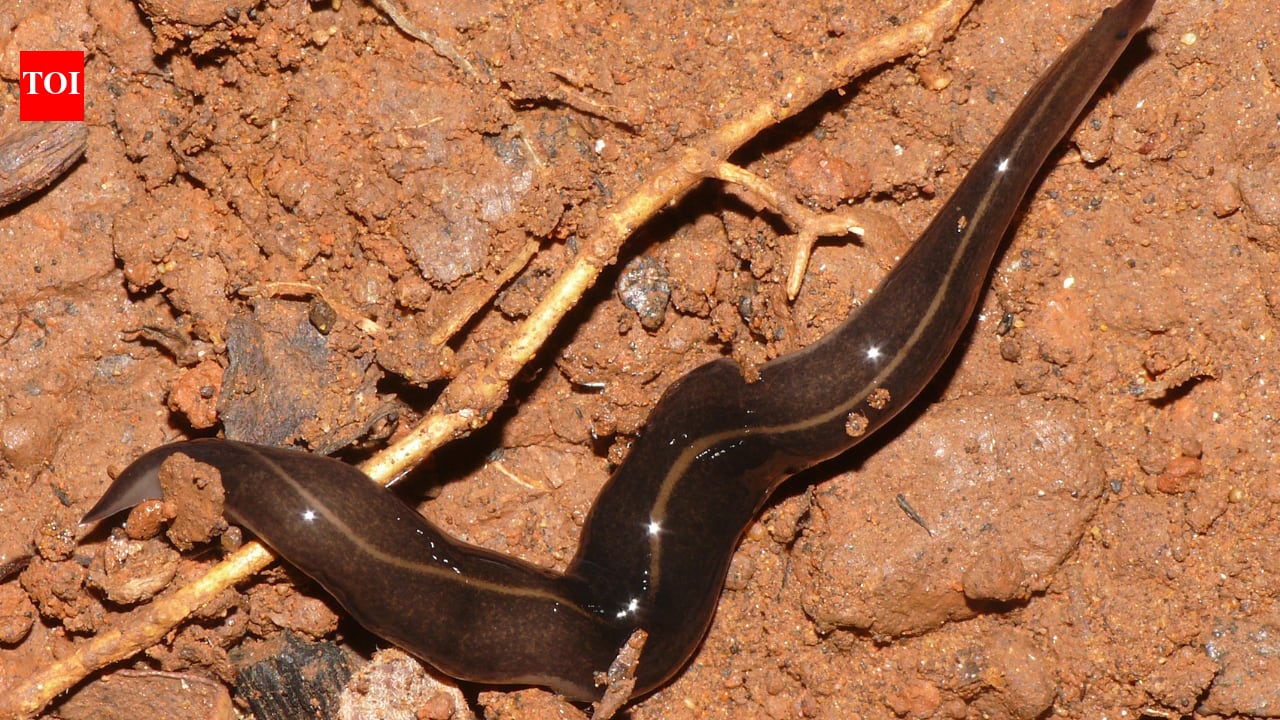
The introduction of the New Guinea flatworm to control invasive snails in Samoa has backfired, causing a catastrophic decline in native snail species. Federal authorities have since classified these indigenous snails as endangered, highlighting the risks of uncontrolled biological interventions.
The Unintended Consequences of Biological Control in the Pacific
The ecological landscape of the Pacific Islands has been severely compromised by a series of failed biological control experiments. The introduction of the New Guinea flatworm, Platydemus manokwari, in the 1990s serves as a cautionary tale regarding human intervention in delicate island ecosystems. While initially deployed as a solution to curb the proliferation of the invasive giant African land snail, the flatworm quickly transitioned from a tool of agricultural management to an apex predator of endemic fauna.
A History of Ecological Missteps
This crisis did not emerge in a vacuum; it follows a pattern of reactive environmental management that dates back to the mid-20th century. By the 1950s, the giant African land snail had become a widespread agricultural nuisance across the Pacific. In the 1970s, authorities introduced the rosy wolfsnail as a primary biological control agent. This effort proved disastrous, as the wolfsnail ignored the invasive target and instead decimated local snail populations. The subsequent 1990s deployment of the Platydemus manokwari flatworm was an attempt to rectify these earlier failures, yet it only exacerbated the ecological collapse.
The Mechanics of the Flatworm Threat
Unlike many predators that are confined to the forest floor, the New Guinea flatworm exhibits highly aggressive hunting behaviors, including the ability to navigate forest canopies. This agility allows it to track and consume native tree snails that were previously shielded from ground-based predators. As the flatworm population expanded throughout the 2000s, the specialized endemic snail species of the region faced rapid population fragmentation and localized extinction events.
Regulatory Responses and Biodiversity Loss
By 2015, the severity of the decline was so pronounced that the US Federal Register officially classified many of these native snails as endangered or threatened. This legal recognition underscores the irreversible damage caused by the flatworm's unchecked expansion. The biological control measures, which were intended to protect agricultural interests, effectively traded the survival of unique evolutionary lineages for short-term pest management.
Future Implications and Conservation Needs
Looking forward, the case of the Platydemus manokwari serves as a critical lesson for modern conservation biology. It highlights the necessity of rigorous risk assessments before introducing non-native species into isolated habitats. Future efforts must shift from reactive, species-specific control measures toward holistic biosecurity protocols designed to prevent the introduction of invasive predators in the first place. The ongoing struggle to protect the remaining native snail populations remains a testament to the fragile nature of island biodiversity when subjected to human-driven ecological shifts.