Hegseth reportedly fires U.S. top military planner as Trump downplays Iran peace talks
Source Entity
US Top News and Analysis
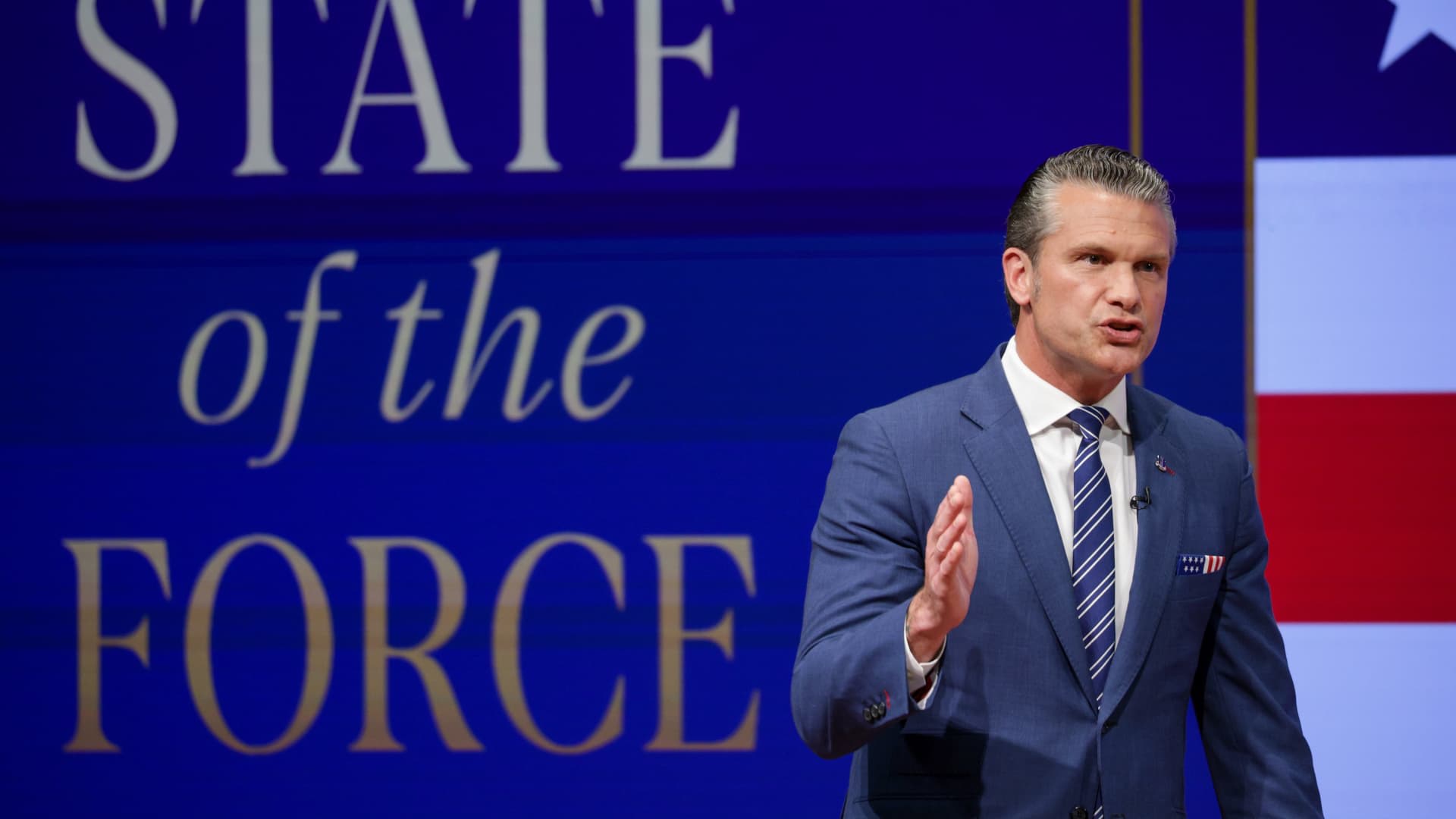
Defense Secretary Pete Hegseth has dismissed Lieutenant General Brett Sylvia, the top U.S. military planner, amid reports of potential renewed strikes against Iran. This move aligns with Hegseth's broader mandate to reduce the number of high-ranking military officers by 20%.
Strategic Shakeup at the Pentagon
In a significant development for U.S. national security, Secretary of Defense Pete Hegseth has reportedly removed Lieutenant General Brett Sylvia from his role as the head of strategy, plans, and policy on the Joint Chiefs of Staff. This dismissal comes at a pivotal moment, as the administration appears to be recalibrating its posture toward the Middle East. While no official cause for the termination has been provided, the vacancy at such a critical post—responsible for long-term military planning—signals a major shift in the internal hierarchy of the Pentagon.
The Iran Policy Pivot
The timing of General Sylvia’s departure is particularly noteworthy given the reports circulating regarding U.S. military intentions toward Iran. According to recent intelligence, officials have signaled to regional partners in the Middle East that they should prepare for potential renewed military action following the upcoming midterm elections. This suggests that the administration may be moving away from diplomatic engagement and toward a more aggressive stance, potentially viewing current strategic plans as incompatible with these new objectives.
Downsizing the Military Leadership
This personnel change must be viewed through the lens of Secretary Hegseth’s broader administrative goals. Last month, Hegseth explicitly announced a mandate to reduce the total number of top-tier military officers by 20%. By removing a high-ranking official like General Sylvia, the Secretary is demonstrating a firm commitment to this downsizing initiative, which aims to reshape the military’s command structure. Critics and supporters alike are watching closely to see how this reduction affects the operational efficacy of the Joint Staff.
Historical Context and Institutional Change
Historically, the removal of high-level military planners during times of heightened geopolitical tension is a rare and consequential act. The strategy, plans, and policy office is the engine room of the military, responsible for crafting the frameworks that dictate how the U.S. responds to global crises. By clearing out the leadership in this department, the administration is effectively signaling that it intends to pivot away from the established strategic doctrines of the past few years.
Future Implications for Middle Eastern Stability
As the midterm elections approach, the potential for renewed conflict with Iran remains a dominant variable in global security. The combination of a leadership void at the Pentagon’s planning level and the reported warnings given to Middle Eastern nations suggests that the U.S. is preparing for a period of intensified kinetic activity. The international community will be closely monitoring who fills the vacancy left by General Sylvia, as that individual will likely be tasked with executing the administration’s more assertive regional strategy.
Summary
The removal of Lt. Gen. Brett Sylvia is a clear indicator of the administration's dual focus: internal structural reform through the 20% officer reduction mandate and a potential shift in external policy toward a more hawkish stance on Iran. With the midterm elections looming, the Pentagon is undergoing a rapid transition that will likely redefine American military posture in the Middle East for the foreseeable future.
Multiple Citing Sources