Served 9 years at same place: Himachal High Court refuses to stop ex-Army man’s transfer
Source Entity
Richa Sahay
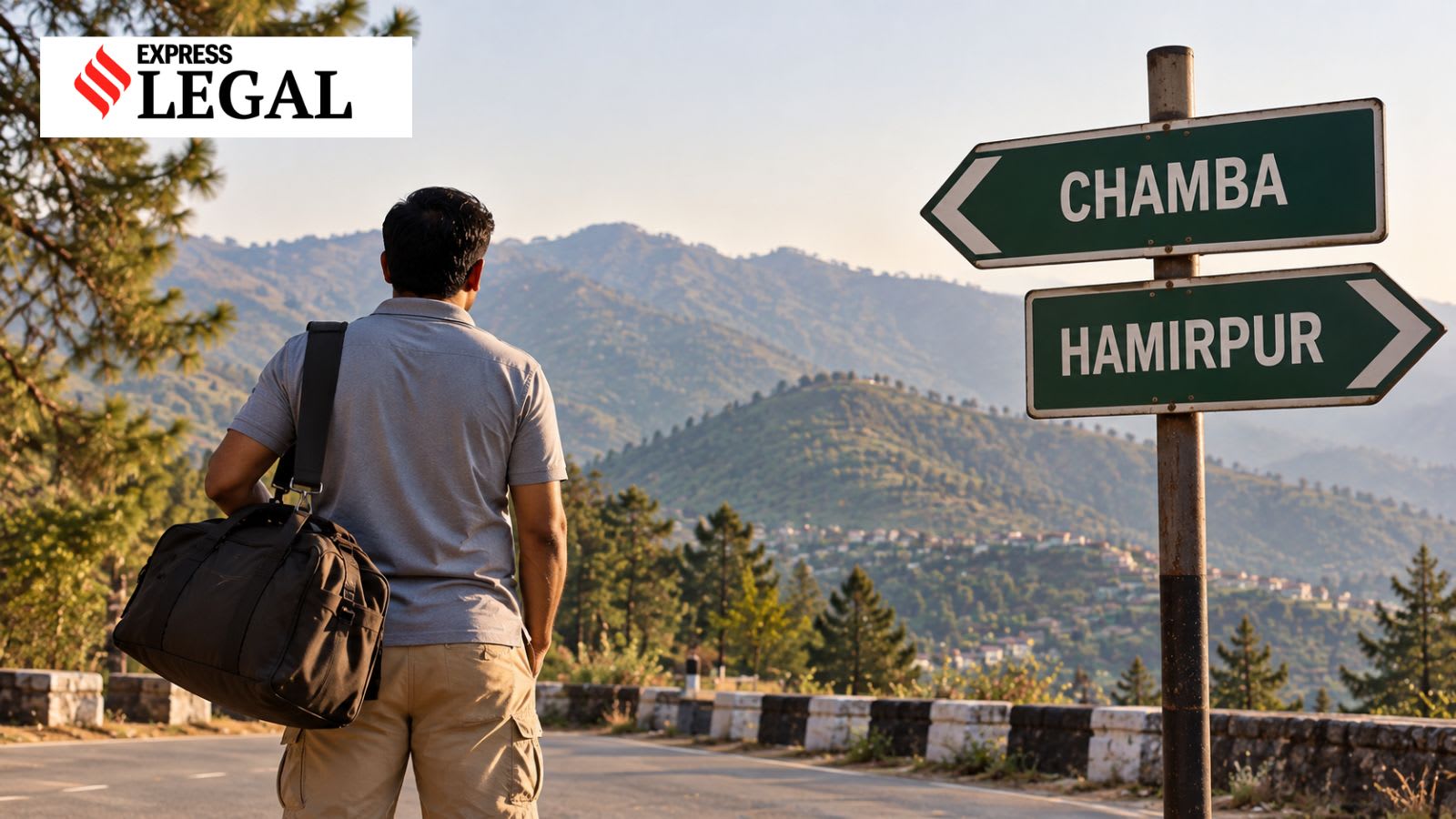
The Himachal Pradesh High Court has dismissed an ex-serviceman's plea to stop his transfer from Chamba to Hamirpur. The court ruled that state employees must accept postings across the state, noting the petitioner had already served nine years in one location.
Judicial Stance on State Employment Transfers
The Himachal Pradesh High Court has recently issued a significant ruling concerning the mobility of state employees, specifically addressing a petition filed by a Junior Office Assistant (IT) within the Sainik Welfare Department. The petitioner, an ex-serviceman, sought to challenge an administrative transfer order that would move him from Chamba to Hamirpur. The core of his argument rested on familial obligations, citing his role as the sole male member responsible for the care of his elderly parents, who are currently suffering from age-related health complications.
The Legal Precedent of State Cadre Mobility
In its decision to dismiss the plea, the High Court emphasized the fundamental nature of state cadre employment. By accepting a position within the state government, an employee implicitly agrees to the terms of service that include potential relocation to any district within the state. The court underscored that transfer is an inherent incident of government service, essential for administrative efficiency and the equitable distribution of personnel across various regional departments.
Balancing Personal Hardship and Administrative Necessity
While the court acknowledged the petitioner’s personal circumstances—namely, the medical needs of his parents—it determined that these factors did not supersede the administrative requirements of the department. The judiciary often faces the difficult task of balancing the individual's humanitarian concerns with the state’s functional requirements. In this instance, the court concluded that the petitioner’s personal situation did not provide sufficient legal grounds to override a standard transfer order, especially given that he had already been stationed in Chamba for over nine years.
The Significance of Long-Term Tenure
A critical factor in the court’s deliberation was the duration of the petitioner's tenure at his current post. Having served in Chamba for more than nine years, the petitioner had already benefited from an extended period of stability in a single location. The court’s observation that he is required to serve elsewhere suggests a policy of preventing stagnation and ensuring that government resources are utilized effectively across different districts, preventing any one individual from claiming permanent rights over a specific station.
Broader Implications for Government Personnel
This ruling serves as a reminder to government employees regarding the nature of state-level service. It reinforces the principle that while compassionate grounds are considered in administrative decision-making, they do not grant an absolute right to remain in a preferred location indefinitely. For ex-servicemen transitioning into civil employment, this case highlights the shift from military-style postings to civil administrative mandates, where the scope of service is defined by the state’s operational needs rather than individual preference.
Concluding Summary
Ultimately, the Himachal Pradesh High Court’s decision upholds the authority of the state to manage its workforce. By refusing to interfere with the transfer, the court has reaffirmed that state cadre employees must remain flexible in their postings. This judgment provides clear guidance that personal hardships, while significant, are subject to the broader operational mandates of the public service sector, ensuring that the government can maintain a balanced and dynamic distribution of staff throughout the state.