In 1904, a British duke sent six Himalayan tahr to New Zealand for hunting; five survived, and the population later grew to tens of thousands
Source Entity
Latest News: Todays Latest News Headlines from India & World | Hindustan Times | Hindustan Times
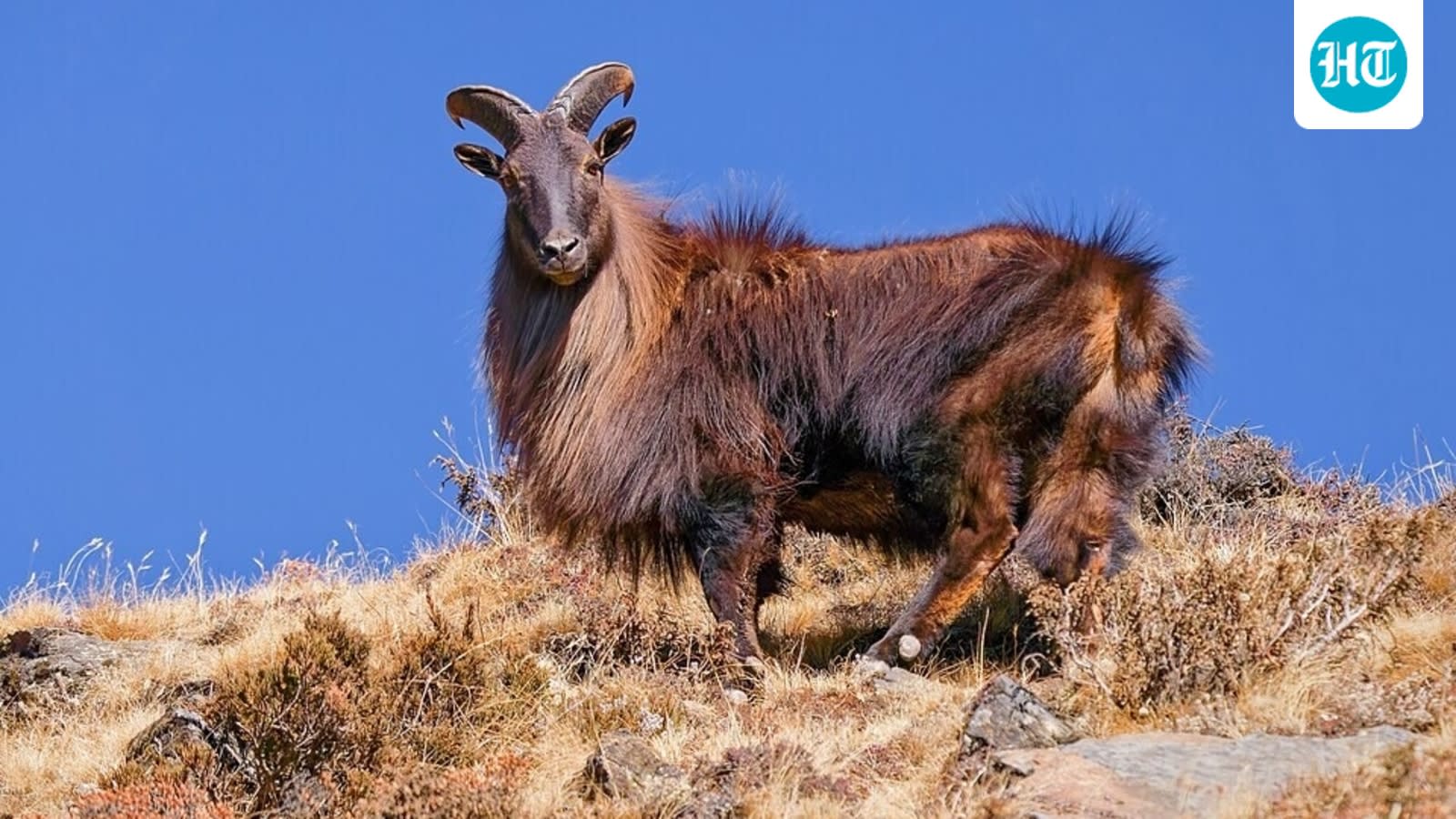
In 1904, a British duke introduced six Himalayan tahr to New Zealand, leading to a population boom. Long-term studies now confirm that these invasive animals have significantly degraded alpine ecosystems.
The Ecological Legacy of the Himalayan Tahr in New Zealand
A Historical Introduction
In 1904, an act of colonial sport hunting introduced a species that would eventually reshape the alpine landscape of New Zealand. A British duke gifted six Himalayan tahr to the nation, intending for them to serve as game for hunters. Of the original group, five survived, setting the stage for an unprecedented biological expansion in an environment devoid of natural predators.
Population Explosion and Ecological Impact
Following their release, the Himalayan tahr found the rugged, mountainous terrain of New Zealand’s Southern Alps to be an ideal habitat. Freed from the ecological checks present in their native Himalayan range, the population grew exponentially, eventually reaching tens of thousands. This massive increase in herbivore density placed immense pressure on the native vegetation, which had evolved in isolation without the presence of large, grazing ungulates.
Scientific Findings on Habitat Degradation
Recent long-term ecological studies have rigorously documented the negative impacts of this population boom. Researchers have identified a clear correlation between the presence of tahr and the significant decline in alpine plant cover. By consuming native vegetation, the tahr have fundamentally altered the structure of the alpine ecosystem, particularly affecting tussock height, which serves as a critical component of the mountainous flora.
Broader Environmental Implications
The case of the Himalayan tahr serves as a textbook example of the risks associated with the introduction of non-native species. When a species is introduced to a new environment, it can outcompete indigenous flora and fauna, leading to a loss of biodiversity. In the case of New Zealand’s alpine regions, the degradation of tussock grasslands not only threatens plant diversity but also impacts soil stability and water retention in these high-altitude zones.
Future Trends and Conservation
Looking forward, the management of the Himalayan tahr population remains a complex challenge for conservationists and government agencies. Balancing the interests of recreational hunters with the urgent need to protect the integrity of the alpine ecosystem requires sophisticated, data-driven management strategies. Future trends suggest a continued focus on population control measures to mitigate the long-standing damage inflicted on the native landscape by this invasive species.
Verification Required?