Chip Art
Source Entity
Hacker News
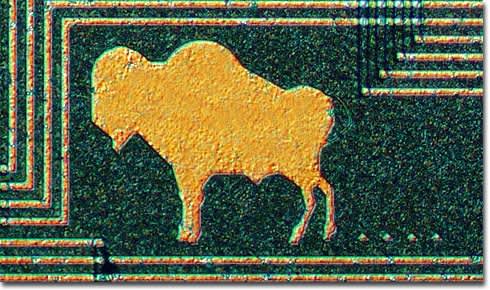
Chip art, or silicon doodling, originated as a creative outlet for engineers and a practical tool for proving copyright infringement. Following the 1984 Semiconductor Chip Protection Act, these artistic signatures became obsolete as legal protections for chip masks were formalized.
The Evolution and Legacy of Chip Art
Origins of Silicon Doodling
Chip art, also known as silicon art or chip graffiti, refers to the practice of embedding microscopic, non-functional imagery directly into the layout of integrated circuits (ICs). During the early era of semiconductor development, these doodles were not merely whimsical additions by engineers; they served as a clandestine form of hardware watermarking. By placing unique, identifiable shapes within the silicon layers, designers created a verifiable "fingerprint" that proved the origin of their work.
The Practical Purpose: Proving Piracy
Before the mid-1980s, the semiconductor industry lacked robust intellectual property protections for hardware designs. If a rival firm launched a product that appeared suspiciously similar to a competitor’s chip, proving theft was notoriously difficult. Engineers used these doodles as a "smoking gun." If a competitor’s chip was dissected and revealed the exact same microscopic doodles, it provided irrefutable evidence of a copyright violation rather than an instance of independent, parallel engineering.
The Legal Shift of 1984
The landscape of semiconductor intellectual property changed drastically with the Semiconductor Chip Protection Act of 1984. This U.S. legislation established that chip masks—the templates used to manufacture circuits—were automatically protected by copyright law. This shift granted creators exclusive rights to their designs without the need for manual, hidden watermarks, effectively rendering the defensive utility of chip art obsolete.
Global Standardization and Obsolescence
Following the 1984 U.S. mandate, similar regulatory frameworks were adopted by most nations involved in IC manufacturing. With exact copies now being legally prohibited under statutory law, the need for engineers to hide "easter eggs" as evidence of infringement vanished. While these doodles remain a cultural curiosity, their role as a legal tool has been completely superseded by modern international IP treaties.
The Cultural Legacy of Chip Art
Today, chip art persists primarily as a form of creative expression among hardware engineers who wish to leave a personal mark on their work. While they no longer serve to protect against corporate espionage, they represent a historical bridge between the "hacker" culture of early computing and the highly regulated, standardized semiconductor industry of the modern age. These microscopic images serve as a silent testament to the ingenuity and playfulness of the industry's pioneers.
Future Trends in Hardware Security
As we look forward, the legacy of chip art highlights the transition from physical, visual markers to sophisticated, digital security measures. While the era of silicon doodling as a legal safeguard has ended, the core concept of hardware provenance remains vital. Modern security now relies on hardware-based root-of-trust, cryptographic signatures, and unclonable functions (PUFs) to ensure the integrity of chips in an increasingly globalized supply chain.