When Electric Cars Were for Women
Source Entity
Hacker News
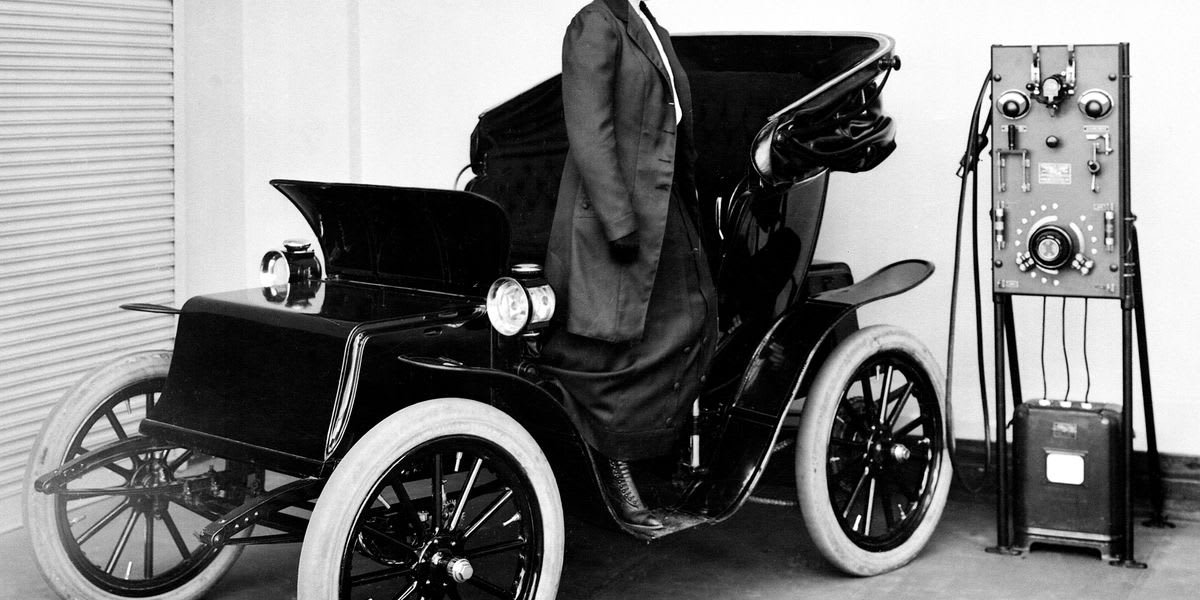
At the dawn of the automotive era, electric cars were a major contender against steam and gasoline. They were often marketed toward women due to their ease of operation compared to the physically demanding combustion engines of the time.
The Forgotten Rivalry: Electric Vehicles at the Dawn of the Automobile
At the turn of the 20th century, the landscape of personal transportation was far from settled. While modern consumers often view the electric vehicle (EV) as a 21st-century innovation, the reality is that the early automotive market was a chaotic, experimental arena. In 1898, the United States hosted roughly 50 car manufacturers, a number that exploded fivefold within a single decade. This era of rapid industrialization saw production figures soar from 7,000 vehicles in 1901 to 181,000 by 1910, reflecting a society desperate for mobile solutions.
The Tripartite War: Steam, Gas, and Electric
The technological race for dominance was initially a three-way struggle between steam, internal combustion, and electricity. Steam engines, which benefited from the vast engineering legacy of locomotives, were popular but fraught with danger. These vehicles frequently posed fire risks and subjected passengers to extreme heat from boilers and piping, making them an uncomfortable choice for daily transit. Meanwhile, gasoline engines were plagued by mechanical unreliability and the daunting physical task of hand-cranking, which discouraged many potential drivers.
The Gendered Marketing of Early EVs
Electric vehicles gained early traction for their cleanliness, quiet operation, and lack of vibration. Crucially, they did not require the dangerous and physically strenuous hand-cranking needed for gasoline engines. Consequently, manufacturers began marketing electric cars specifically to women. In an era where automotive power was associated with oil, grime, and brute strength, the electric car was positioned as the refined, manageable, and safe alternative for female drivers who preferred to avoid the hazards of early internal combustion technology.
Logistical Hurdles and the Infrastructure Gap
Despite their advantages, all early automobiles faced significant logistical barriers. The primary concern was range; drivers were perpetually anxious about how far they could travel before needing to refuel or recharge. Unlike the ubiquitous charging networks or gas stations of today, the infrastructure for any of these power sources was virtually non-existent. This limitation forced a localized approach to travel, where vehicles were primarily used in urban centers where access to electricity or fuel was more consistent.
Why Gasoline Ultimately Prevailed
While electric cars were competitive in the early 1900s, the eventual dominance of the gasoline engine was driven by the discovery of vast oil reserves and the refinement of mass production techniques. As the internal combustion engine became more reliable and fuel became cheaper and more accessible, the range limitations of electric batteries became an insurmountable competitive disadvantage. This historical shift relegated the EV to a niche status for nearly a century before the modern environmental and battery-tech revolution began to reverse the trend.
Lessons from Automotive History
The story of the early electric car serves as a profound reminder that market dominance is rarely solely about the superior technology. Instead, it is a complex interplay of infrastructure, convenience, and cultural perception. Today's rapid transition back toward electrification mirrors this early period of uncertainty, proving that the challenges of range and charging are not new, but rather recurring themes that define the evolution of the transportation industry.