Can’t fish Ethernet? Use “invisible” fiber instead
Source Entity
Hacker News
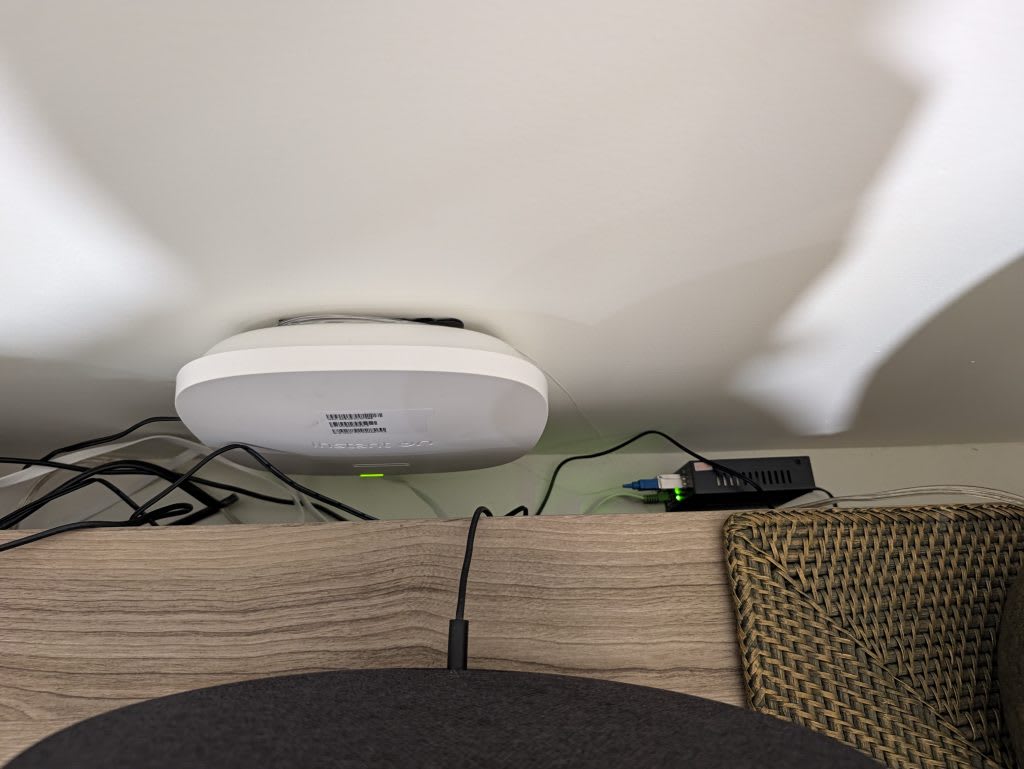
A homeowner is exploring 'invisible' fiber optic solutions to replace a failing Cat6 cable in a NYC townhouse. This alternative addresses the limitations of traditional cabling and poor wireless mesh performance in dense, thick-walled structures.
The Challenge of Retrofitting High-Speed Networking
In modern residential infrastructure, particularly within historic structures like New York City townhouses, the physical limitations of network cabling are becoming increasingly apparent. The user’s situation—a failing Cat6 cable that has degraded to 100 Mbps despite the hardware supporting 2.5 Gbps—highlights the fragility of copper-based Ethernet installations. When cables are fished through walls during renovations, they are susceptible to kinks, oxidation, or structural damage over time, which often manifests as a forced negotiation down to Fast Ethernet speeds.
Limitations of Traditional Solutions
The standard solutions for a damaged line, such as fishing a new Cat6 cable or switching to a wireless mesh system, present significant barriers. Fishing new copper cable through existing, non-standard wall cavities is a high-risk endeavor that often results in collateral damage to plaster or drywall. Conversely, wireless mesh systems, while convenient, frequently fail in environments with thick, signal-attenuating walls. The user's documented experience with HPE AP25 units confirms that in such dense environments, mesh throughput is often throttled to a fraction of the theoretical maximum.
The Rise of 'Invisible' Fiber
To bypass these constraints, homeowners are increasingly turning to "invisible" fiber optic solutions, often referred to as Clear Fiber or G.657 bend-insensitive fiber. Unlike rigid Cat6, this fiber is extremely thin, flexible, and can be adhered to the corners of walls or moldings, making it virtually undetectable to the naked eye. This allows for high-speed connectivity to be extended across floors without the need to penetrate studs or navigate complex wall cavities that led to the initial cabling failure.
Technical Implications of the Shift
Transitioning to fiber optic cabling for home networking represents a shift toward future-proofing. Fiber is immune to electromagnetic interference (EMI), which is a common issue in dense urban environments where power lines and other appliances may run parallel to network cabling. By moving to fiber, the user not only restores their ability to utilize their 2.5 Gbps hardware but also eliminates the risk of future copper degradation, which is often caused by heat or physical stress in tight, enclosed spaces.
Broader Trends in Smart Home Connectivity
This trend underscores a growing demand for professional-grade connectivity in residential settings. As bandwidth-intensive applications—ranging from 8K streaming to local server backups—become common, the reliance on "good enough" wireless mesh is waning. Homeowners are now treating network infrastructure with the same importance as electrical or plumbing systems, opting for permanent, high-bandwidth solutions that do not require invasive construction.
Conclusion
For the owner of a NYC townhouse facing the realities of thick, non-conductive walls and damaged physical pathways, invisible fiber serves as an elegant technical bridge. By bypassing the limitations of failing Cat6 infrastructure and the inconsistency of wireless mesh, this approach offers a robust, high-speed, and aesthetically unobtrusive path forward for modern home networking.