Humanoid robots could upend life as we know it — if only they had better brains
Source Entity
William Gavin
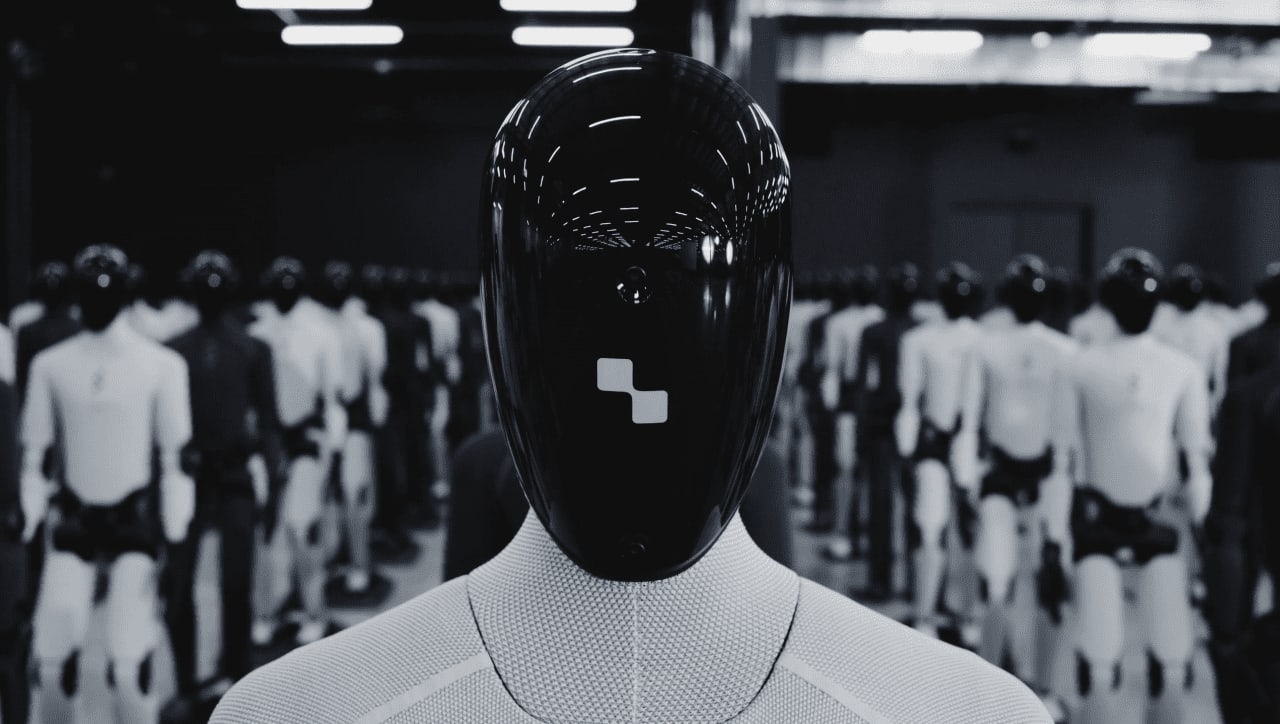
Humanoid robotics development is currently hindered by limitations in memory retention and experiential learning. Advancements in memory technology are essential for these machines to evolve beyond their current capabilities.
The Cognitive Bottleneck in Humanoid Robotics
The current landscape of humanoid robotics is at a critical juncture, where hardware dexterity is often overshadowed by significant cognitive limitations. While engineers have made remarkable strides in bipedal locomotion and physical manipulation, the machines remain fundamentally fragile in their ability to process and retain information over extended periods. This discrepancy between physical capability and mental retention is the primary barrier preventing humanoids from transitioning from controlled laboratory settings into dynamic, real-world environments.
The Necessity of Long-Term Memory
At the heart of the issue is the requirement for robust memory architecture. For a humanoid to function effectively in human spaces, it must possess the ability to learn from its mistakes and store these experiences as actionable knowledge. Currently, most robots operate in a reactive capacity, processing data in short bursts without the capacity to build a cumulative library of 'life experience.' Without this, every task—even if performed previously—becomes a fresh challenge, severely limiting the autonomy of the machine.
Integrating Memory with Learning Algorithms
Future breakthroughs in this field will likely hinge on the evolution of memory technology that mimics, or at least approximates, biological learning. This involves moving beyond static programming toward neural architectures that can prioritize, store, and recall information based on contextual relevance. If a humanoid encounters a mistake—such as miscalculating a reach or misidentifying an object—it must have the internal infrastructure to log that failure, analyze the variables, and adjust its future behavior accordingly.
Broad Implications for Industry and Society
If developers can bridge the gap in cognitive retention, the implications for labor and domestic life will be profound. A robot that learns from its environment becomes a collaborator rather than just a tool. This evolution would allow humanoids to adapt to the idiosyncratic nuances of different homes or factory floors, drastically reducing the need for constant human oversight and iterative reprogramming.
Predicting Future Trends
Looking ahead, we can expect a shift in investment toward cognitive software and memory-efficient AI models. The industry is moving toward a realization that the 'brain' of the robot is just as critical as the motors and sensors. As memory technology matures, we will likely see a surge in humanoids that display consistent, reliable performance over long durations, marking the true beginning of the era of intelligent, autonomous robotics.
Verification Required?