This NAS company wants to run your local smart home
Source Entity
Jennifer Pattison Tuohy
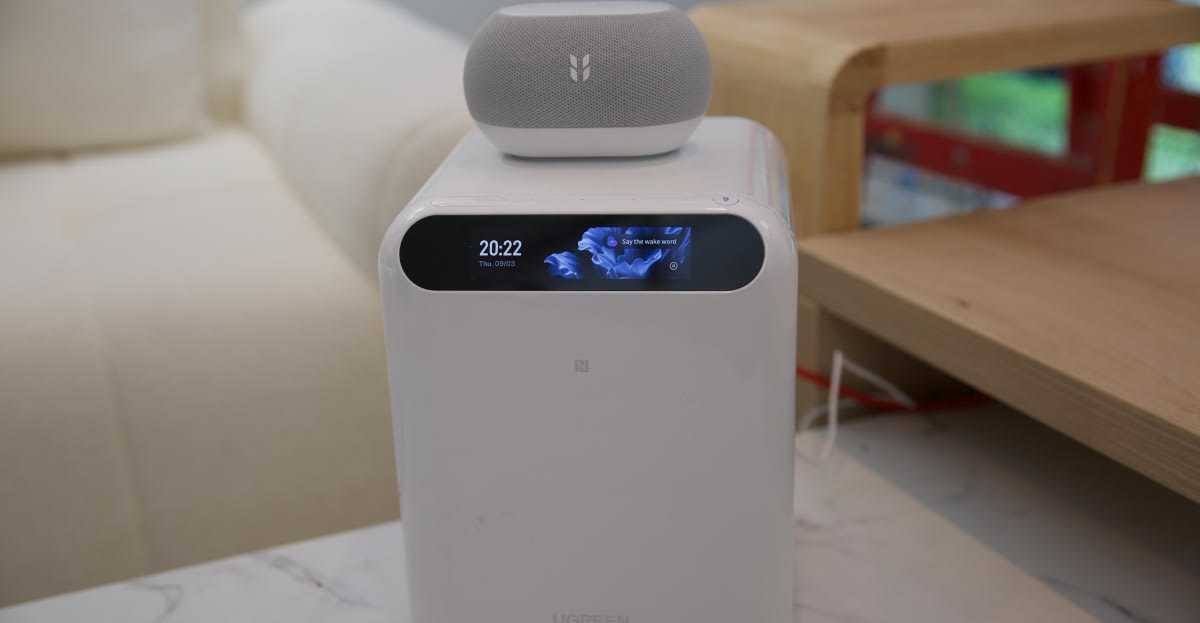
IFA 2024 showcases a shift toward localized smart home ecosystems and advanced lighting. Ugreen is introducing its HomeAgent platform with local AI, while Aqara expands its catalog with Thread-compatible, multi-zone lighting solutions.
The Evolution of Smart Home Ecosystems at IFA 2024
Recent announcements at the IFA tech show signal a significant pivot in the consumer smart home landscape, moving away from cloud-dependent architectures toward localized control and interoperability. Both Ugreen and Aqara have unveiled products that reflect a broader industry trend of prioritizing user privacy and device versatility.
Ugreen’s Strategic Pivot to HomeAgent
Ugreen, a brand traditionally recognized for its peripherals like chargers and NAS (Network Attached Storage) hardware, is expanding into the smart home ecosystem with its new HomeAgent platform. By integrating security camera storage, local AI, and a voice assistant named Uliya into a single system, Ugreen is positioning itself as a central hub for home automation. The critical differentiator here is the focus on local-first processing, which addresses growing consumer concerns regarding data privacy and the latency issues often associated with cloud-reliant smart home systems.
The Rise of Localized AI
By keeping the "brain" of the smart home on-device, Ugreen’s HomeAgent seeks to mitigate the risks of cloud outages and data exposure. This approach aligns with the current market demand for systems that function independently of external servers. While the transition to fully local AI remains a technical challenge with inherent caveats, the commitment to local management suggests a shift in how manufacturers are approaching the architecture of modern IoT hubs.
Aqara’s Expansion into Advanced Lighting
Simultaneously, Aqara is doubling down on its commitment to smart lighting by introducing the Floor Lamp T1. Building on their momentum from CES, this new hardware emphasizes compatibility with both Zigbee and Thread protocols. This multi-protocol support is vital for the future of the smart home, as it ensures that devices remain compatible with a wider variety of platforms and future-proofs the consumer's investment against changing industry standards.
Design and Functionality Trends
The Floor Lamp T1 represents a departure from traditional aesthetic forms, opting for a minimalist pole design that utilizes RGBIC technology. With 18 individually addressable zones, the lamp functions as both a light source and a design element capable of projecting ambient colors onto walls. This reflects a trend where smart lighting is increasingly viewed as an integrated component of interior design rather than just a functional utility.
Future Implications for Consumers
The simultaneous focus on local AI hubs by Ugreen and universal connectivity through Thread by Aqara underscores a maturing smart home market. As these companies continue to iterate, consumers can expect a shift toward more robust, private, and interoperable systems that prioritize local control over cloud dependency. The integration of these disparate technologies into cohesive, user-friendly platforms will likely be the decisive factor in long-term consumer adoption.