Xbox caps cloud gaming at 15 hours a month for Game Pass subscribers
Source Entity
BBC News
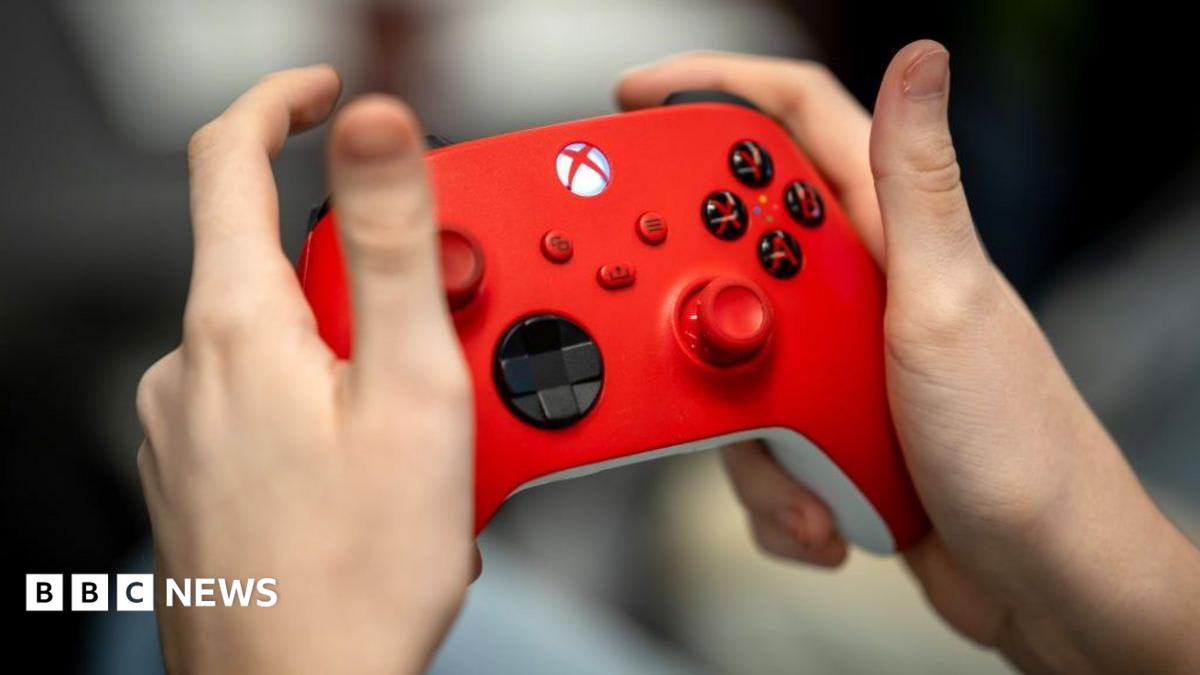
Microsoft is introducing a pay-as-you-go model for Xbox Cloud Gaming while simultaneously capping Game Pass Ultimate subscribers at 15 hours of streaming per month. These changes, effective November 2026, are designed to manage rising infrastructure costs and expand accessibility via new partnerships with TCL TVs.
The Strategic Shift in Xbox Cloud Gaming
Microsoft has announced a significant restructuring of its Xbox Cloud Gaming service, balancing expanded accessibility with new limitations on its most premium subscribers. Starting in November 2026, the company will introduce a pay-as-you-go model, allowing users to access cloud streaming without a monthly Game Pass subscription. This move represents a pivot in Microsoft's ecosystem strategy, moving away from a strictly subscription-locked model to a more flexible, usage-based approach for casual players.
Balancing Costs and Performance
Central to these changes is the introduction of a 15-hour monthly cap for Xbox Game Pass Ultimate subscribers, the platform's highest tier. Microsoft has explicitly cited the escalating costs of maintaining and scaling cloud infrastructure as the primary driver for this decision. By implementing these limits, the company aims to ensure the long-term reliability and performance of its server farms, which facilitate high-fidelity streaming to devices that lack traditional gaming hardware.
Expanding the Hardware Footprint
Concurrent with the introduction of the pay-as-you-go model, Microsoft is expanding its hardware reach through a strategic partnership with TCL. By bringing the official Xbox app to TCL smart TVs, Microsoft is effectively turning living room displays into potential gaming consoles. This integration allows users to bypass the need for a physical Xbox console entirely, leveraging the cloud to stream their existing library or Game Pass titles directly to their television.
Market Implications of the Pay-As-You-Go Model
For many consumers, the pay-as-you-go model addresses a long-standing critique of the subscription-only service: the value proposition for occasional users. Those who do not play frequently enough to justify a monthly fee (starting at Rs 499 per month for standard access) will now have a lower barrier to entry. This approach mirrors trends in cloud computing and utility-based software models, where users pay only for the resources they consume.
Future Trends and Potential Hurdles
Looking ahead, the success of this strategy will depend on how the market reacts to the 15-hour limitation on the premium tier. While Microsoft positions this as a necessary step for sustainable investment in cloud technology, the reception among power users remains uncertain. Furthermore, the potential expansion of ad-supported, free cloud gaming—currently being tested with Xbox Insiders—suggests that Microsoft is aggressively exploring diverse monetization streams to capture a wider audience beyond traditional console owners.
Conclusion
Ultimately, Microsoft’s latest updates reflect an increasingly complex balancing act. By coupling stricter usage caps for subscribers with a more accessible pay-as-you-go entry point and broader hardware integration on TCL TVs, the company is attempting to democratize cloud gaming while simultaneously protecting the financial viability of its platform. As the gaming industry continues to lean into cloud-based delivery, these metrics of 'time-limited access' may become a new standard for balancing operational costs with user growth.