Amid Protest, Police File Abetment To Suicide In IIT Delhi Student Death Case
Source Entity
NDTV News Search Records Found 1000
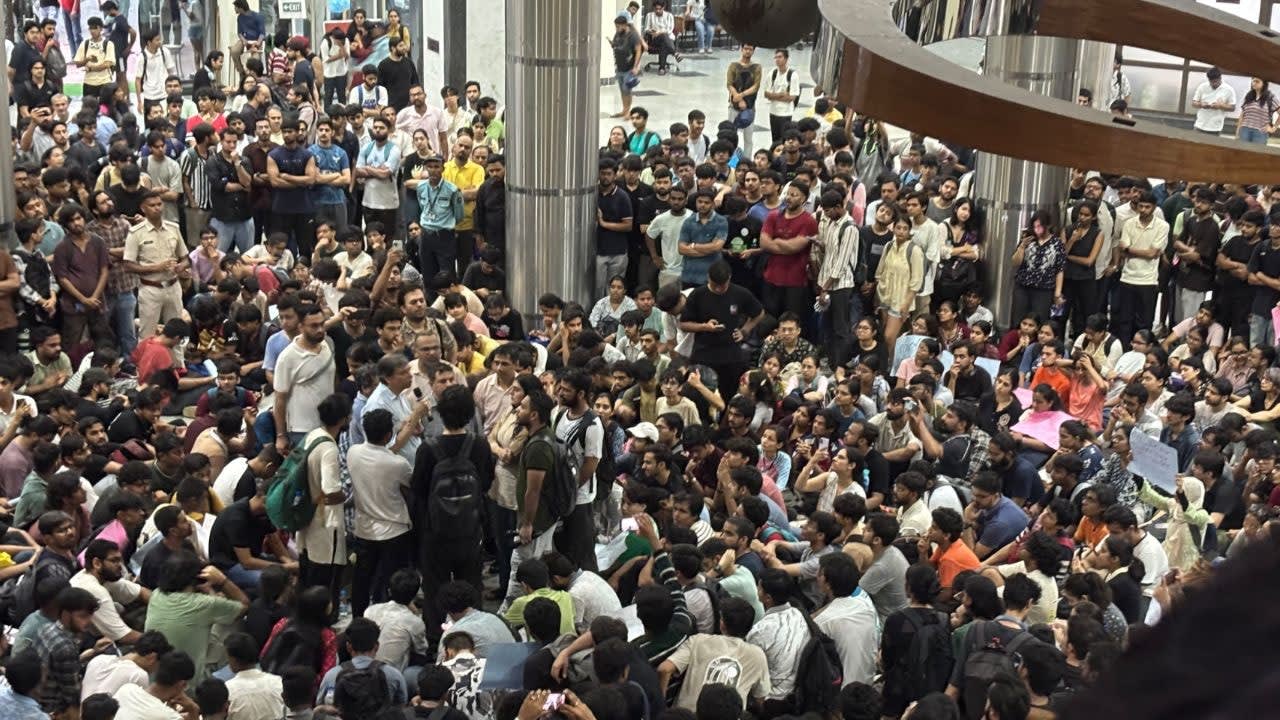
Students at IIT Delhi are protesting following a student's death, demanding accountability for systemic failures and administrative negligence. The demonstrations highlight broader concerns regarding mental health support and a rising number of suicides across IIT campuses.
The Crisis of Care: Analyzing the IIT Delhi Protests
Following the tragic death of a 31-year-old MSc Physics student at the Indian Institute of Technology (IIT) Delhi, the campus has erupted into significant unrest. Students have organized a boycott of classes, channeling their grief into a demand for systemic accountability. This movement is not merely a reaction to a single loss but a profound indictment of the administrative culture within one of India's most prestigious academic institutions.
Systemic Negligence and Mental Health
The core of the student protest lies in the allegation that the institution failed to provide adequate support systems for students facing personal crises. Reports indicate the deceased student was struggling with mental health issues following the loss of his father, yet the institution’s mechanisms to offer support were reportedly insufficient. The Cockroach Janta Party (CJP), through spokesperson Ashutosh Ranka, has contextualized this tragedy by noting that 65 suicides have occurred across IITs in the last five years, with 8 of those occurring at IIT Delhi in the last three years alone. This data suggests that the tragedy is not an isolated incident but part of a pervasive, structural failure.
Demands for Accountability
The protesters have been explicit in their demands, calling for an independent inquiry into administrative failures and the resignation of key officials, including the dean and associate deans of the Students’ Welfare Office, as well as the head of the physics department. Beyond immediate personnel changes, students have highlighted issues such as the denial of academic projects and alleged moral profiling. These claims paint a picture of an academic environment that is increasingly viewed by its student body as rigid, unsupportive, and potentially hostile to those who do not conform to traditional high-pressure metrics.
Administrative Response and Reconstitution
Under mounting pressure, the IIT Delhi administration has initiated a dialogue with the student body. Recognizing the gravity of the situation, the administration has agreed to consider compensation and has moved to reconstitute the inquiry panel investigating the student's death. This shift follows significant pushback from the student community, who argued that the initial administrative response lacked the transparency and rigor required to address the underlying causes of the tragedy.
Broader Implications and Future Trends
The situation at IIT Delhi serves as a microcosm for a national debate regarding the pressure-cooker environment of elite Indian higher education. As students carry placards reading “IIT-D: Dreams or Death,” they are forcing a long-overdue conversation about the prioritization of academic output over student well-being. Looking ahead, the pressure on IIT administrations to implement robust mental health infrastructure and reform academic grievance procedures will likely intensify. If these institutions fail to pivot toward a more compassionate model of education, they risk further erosion of their institutional credibility and, more importantly, continued preventable loss of life.
Multiple Citing Sources
Verification Required?