The life of IIT-Delhi’s Rishikesh Kumar: Finding his voice in poetry, teaching
Source Entity
Sophiya Mathew, Pragynesh, Himanshu Harsh
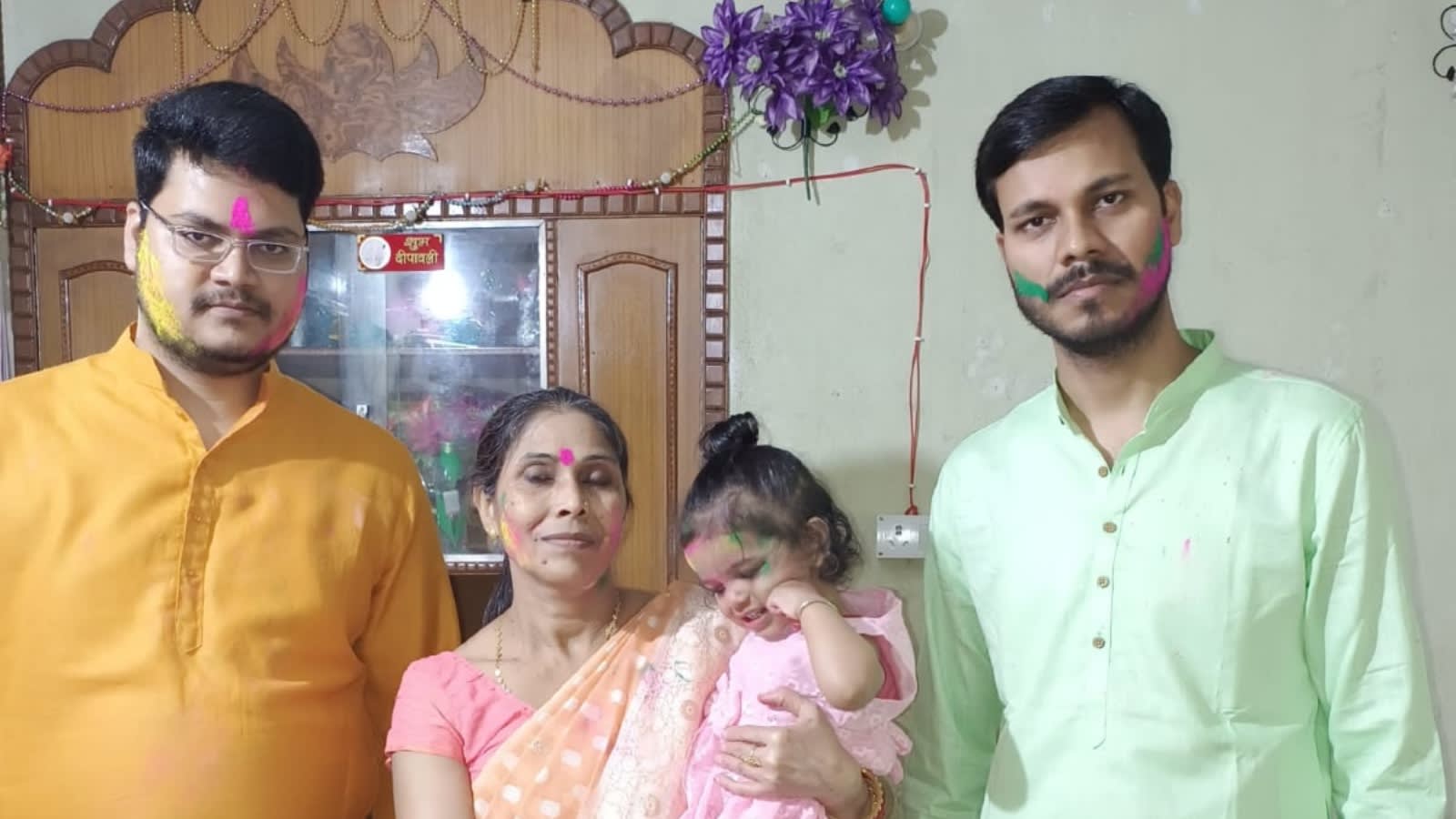
Following the tragic death of a 31-year-old MSc Physics student at IIT Delhi, widespread protests have erupted over systemic mental health failures. The administration is now reconstituting an inquiry panel as authorities pursue an FIR for abetment of suicide.
The Crisis at IIT Delhi: A Systemic Failure
Recent events at the Indian Institute of Technology (IIT) Delhi have ignited a firestorm of protest following the tragic death of a 31-year-old MSc Physics student, identified as Rishikesh Kumar. The student reportedly died by suicide after jumping from the sixth floor of the campus Lecture Hall Complex on August 22. This incident has served as a grim catalyst for students to voice their frustrations, holding placards that read “IIT-D: Dreams or Death,” and demanding accountability from the institution's leadership.
Structural Concerns and Statistical Alarms
The Cockroach Janta Party (CJP), through spokesperson Ashutosh Ranka, has pointed to a broader, disturbing trend within the premier engineering institutes. With 65 reported suicides across all IITs in the last five years, and 8 occurring at IIT Delhi within the last three years alone, critics argue that these deaths are not isolated incidents but symptoms of a deep-seated structural problem. The narrative emerging from the protests suggests that the institution has failed to provide adequate support systems for students facing personal tragedies, such as the loss of a parent.
The Demand for Accountability
In response to the mounting pressure, protesters are calling for the immediate resignation of the dean and associate deans of the Students’ Welfare Office, as well as the head of the physics department. The administration's initial response has been met with significant pushback, forcing the institute to reconstitute its inquiry panel. This move reflects a desperate attempt by the university to maintain credibility while addressing the valid grievances of a student body that feels abandoned by those tasked with their welfare.
Legal Interventions and Police Action
The Delhi Police have officially registered an FIR against “unknown” persons for abetment of suicide. This legal step, initiated following a report by the college’s chief security officer, signals that the incident is being treated with the gravity of a criminal investigation. By focusing on abetment, the authorities are looking into whether institutional negligence or specific pressures within the academic environment contributed to the student’s decision to take his own life.
Broader Implications for Higher Education
The ongoing situation at IIT Delhi highlights the widening gap between the prestige of elite educational institutions and the actual quality of care provided to their students. As the protest continues, the focus remains on the need for radical reform in how mental health is prioritized within high-pressure academic settings. If IITs, often considered the pinnacle of Indian education, cannot provide a safe environment for their scholars, it raises urgent questions about the systemic changes required across the national education landscape to prevent further loss of life.
Multiple Citing Sources