Family seeks NTA overhaul after Hyderabad NEET aspirant’s death
Source Entity
India Latest News: Top National Headlines Today & Breaking News | The Hindu
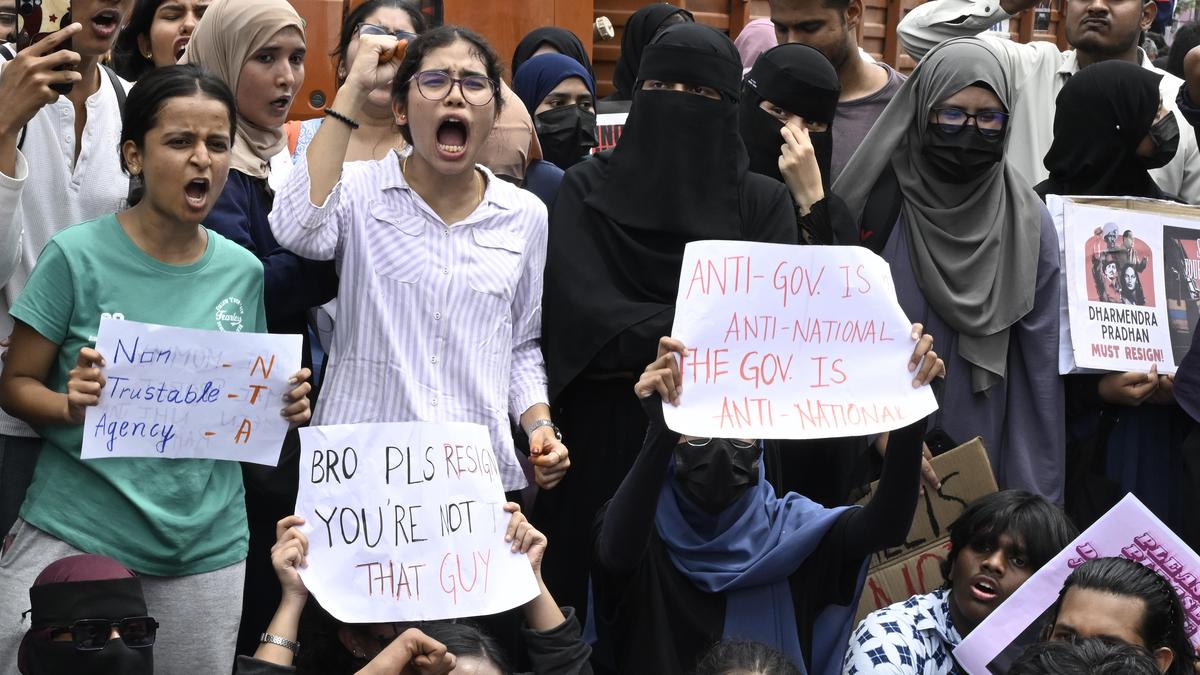
The tragic deaths of two NEET aspirants in Hyderabad and Kota have ignited urgent calls for systemic reforms within India's medical entrance examination framework. These incidents highlight the severe mental health toll and immense academic pressure faced by students navigating the highly competitive NTA-administered testing system.
The Toll of Competitive Pressure: A Crisis in Medical Education
The recent tragedies involving NEET aspirants in Hyderabad and Kota have once again brought the intense psychological strain of India’s medical entrance examination system into the national spotlight. The death of 18-year-old Juveriya in Hyderabad and a 20-year-old aspirant in Kota underscores a recurring pattern of academic distress that often goes unaddressed until a life is lost. These events are not isolated; they represent a systemic failure that demands an immediate, comprehensive evaluation of how high-stakes testing impacts the mental well-being of the youth.
The Case of Juveriya: A Call for Structural Change
In Hyderabad, the parents of Juveriya have publicly voiced their grief and frustration, calling for the abolition of the National Testing Agency (NTA) and a complete overhaul of the medical entrance process. Juveriya, an academic achiever who previously excelled in her Intermediate exams, faced the dual burden of high personal expectations and the volatility of the NEET process—specifically the cancellation of the May 3 exam due to paper leak allegations. Her experience reflects the instability that students face when structural lapses in the examination system undermine months of rigorous preparation.
The Kota Phenomenon: The Weight of Expectations
Simultaneously, the death of a 20-year-old aspirant in Kota, Rajasthan, highlights the specific pressures inherent in the 'coaching hub' ecosystem. Living away from home and striving for improvement after a previous score of 450, the student’s struggle mirrors the experiences of thousands of others in Kota. The lack of a suicide note suggests that the pressure to perform—often internalized by students—can become an insurmountable burden, even in the absence of explicit external triggers.
Systemic Vulnerabilities in Testing
The NTA’s role in managing these high-stakes examinations has come under significant scrutiny. When exams are cancelled or marred by integrity issues, the ripple effect on student mental health is profound. For students like Juveriya and the Kota aspirant, the examination is not just a test; it is viewed as the singular gateway to a future career. When this gateway is perceived as unreliable or unfairly competitive, the psychological impact is exacerbated, leading to deep disillusionment and distress.
Broader Implications and Future Trends
Moving forward, the conversation must shift from mere academic performance to holistic student support. The demand for an NTA overhaul suggests that public trust in the current testing mechanism is at an all-time low. If the government fails to implement reforms—such as diversifying assessment criteria or providing robust mental health resources within coaching hubs—the trend of student distress is likely to continue. The reliance on a single, high-pressure test continues to be a point of contention that necessitates a more compassionate and stable educational policy.
Conclusion
The tragic losses of these young lives serve as a somber reminder of the human cost behind competitive statistics. Whether it is the instability of exam scheduling or the crushing weight of institutionalized coaching, the current framework is failing the very students it intends to evaluate. An overhaul is not merely a bureaucratic requirement; it is a moral imperative to safeguard the future of the nation’s aspirants.
Multiple Citing Sources
Verification Required?