Ilhan Omar's alleged brother and ex-husband, Ahmed Nur Said Elmi, called himself ‘gay man’ in academic paper
Source Entity
Latest News: Todays Latest News Headlines from India & World | Hindustan Times
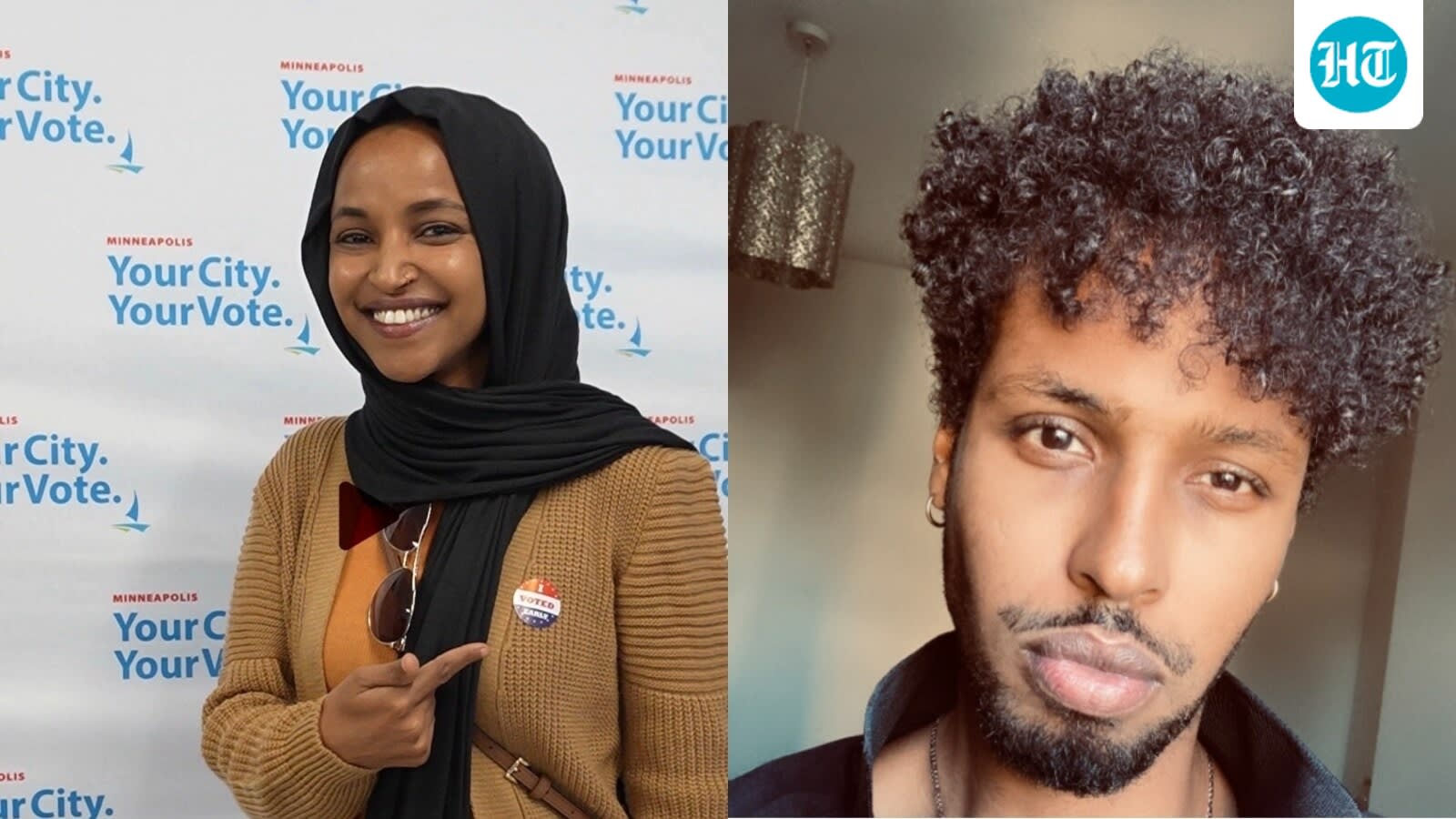
Ahmed Nur Said Elmi, the former husband of Congresswoman Ilhan Omar, identified himself as a gay man in an academic paper regarding his fieldwork in Kenya. This disclosure adds new layers to long-standing, unverified allegations concerning his familial relationship to the Minnesota representative.
Academic Disclosure Adds Complexity to Ongoing Speculation
Recent revelations regarding Ahmed Nur Said Elmi, the former husband of Minnesota Congresswoman Ilhan Omar, have surfaced following the discovery of an academic paper authored by Elmi. In his work titled Out in the Field: Notes on Researching Queer Violence in Kenya, Elmi explicitly identifies as a "gay man of the East African diaspora." This self-identification, documented in his capacity as a doctoral researcher at the University of Bristol, provides a new focal point for observers examining the history of his relationship with Representative Omar.
Contextualizing the Allegations
For years, Representative Ilhan Omar has faced persistent, unverified allegations suggesting that Ahmed Nur Said Elmi was not merely a former spouse, but her brother. These claims, which have circulated primarily in conservative media outlets and among political critics, suggest that their marriage was an immigration fraud scheme designed to facilitate residency. The emergence of this academic paper does not directly address these claims of consanguinity, but it does inject a new dimension into the public discourse surrounding the personal history of the Congresswoman.
The Intersection of Identity and Research
In the excerpt from his paper, Elmi writes, "As a gay man of the East African diaspora, my fieldwork was never neutral. It was a space shaped by tension, risk, intimacy, and vulnerability." This statement highlights the intersectional lens through which Elmi conducted his sociological research on queer violence in Kenya. By positioning his identity as central to his methodology, Elmi emphasizes the subjective nature of his fieldwork, suggesting that his personal background played a significant role in his academic output at the University of Bristol’s School of Sociology, Politics, and International Studies (SPAIS).
Broader Political Implications
In the realm of American politics, the personal lives of elected officials are often subjected to intense scrutiny. For Ilhan Omar, a high-profile figure in the Democratic Party, the recurring nature of these rumors has served as a consistent point of contention. While the academic paper itself is an intellectual contribution to the study of East African diaspora experiences, its relevance in the current news cycle is entirely derived from its potential to reshape or fuel existing narratives regarding the legitimacy of her past marriage.
Analyzing the Narrative Disconnect
There is a notable disconnect between the academic focus of Elmi’s work—which explores themes of queer violence and diaspora identity—and the political controversy surrounding his marital connection to a member of Congress. The fact that he identifies as a gay man in his professional writing is being leveraged by political commentators to challenge the established narrative of his previous marriage to Omar. This underscores the modern trend where private academic or social history is rapidly weaponized to address or exacerbate political scandals.
Future Trends in Political Scrutiny
As digital footprints continue to grow, the ability for the public to resurface past academic papers and personal declarations will likely increase. Future political discourse will continue to see the intersection of personal identity markers and historical allegations. For Representative Omar, this incident serves as a reminder that personal history remains a volatile asset in the political arena, where even scholarly work can be repurposed to serve as evidence in ongoing public inquiries regarding an official's private life.
Verification Required?