'Milestone' vs 'Pradhan saved Pradhan Mantri': Centre, oppn clash over anti-paper leak bill
Source Entity
TOI NEWS DESK
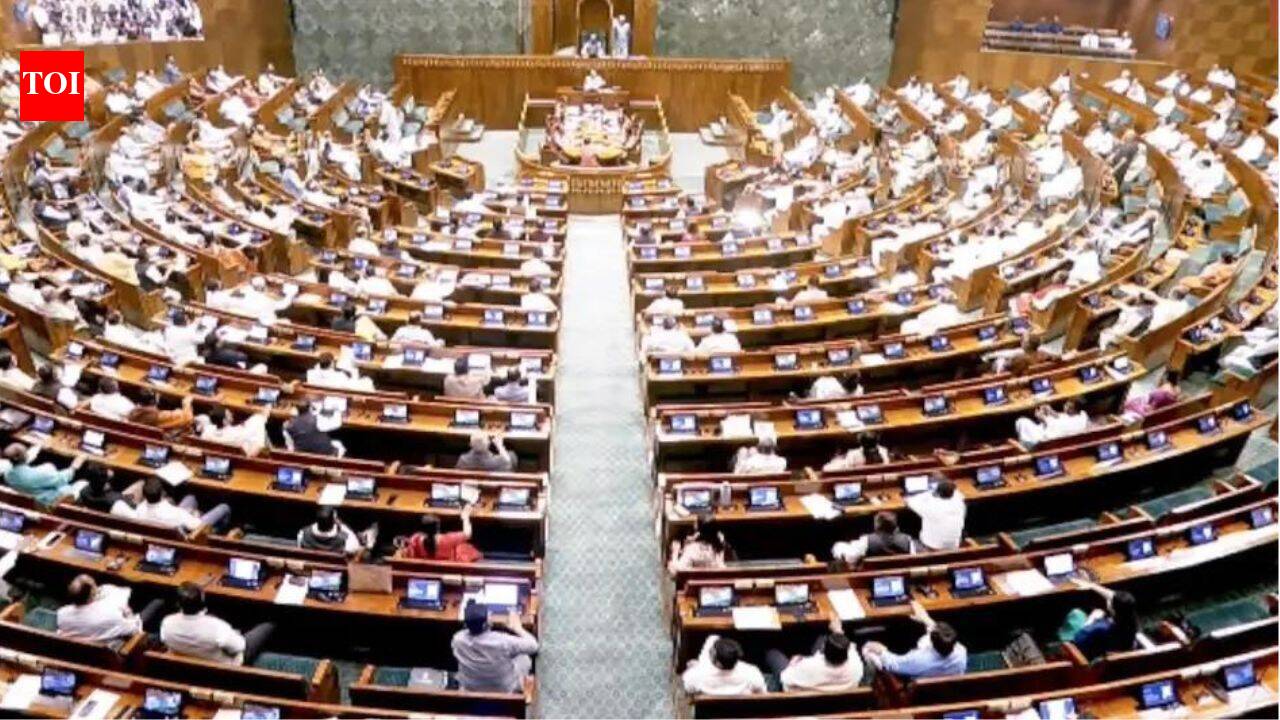
The Indian government has introduced the 2026 anti-paper leak bill, proposing 10-year prison terms and Rs 50 lakh fines. This legislative move follows intense nationwide student protests led by the Cockroach Janta Party, which also resulted in the resignation of Education Minister Dharmendra Pradhan.
Strengthening Academic Integrity: The 2026 Anti-Paper Leak Bill
A Legislative Response to Crisis
The introduction of the Public Examinations (Prevention of Unfair Means) Amendment Bill, 2026, marks a pivotal shift in India’s legislative approach to examination security. By proposing a 10-year prison term and a Rs 50 lakh fine for those involved in paper leaks, the government is signaling a departure from the more lenient frameworks of the past. This bill, presented by Union Minister Jitendra Singh, aims to fortify the integrity of national examinations, which serve as the gateway to professional and academic advancement for millions of Indian youth.
The Catalyst: Student-Led Protests
This legislative action did not occur in a vacuum; it was born from the pressure of widespread student unrest. The Cockroach Janta Party (CJP) spearheaded a movement against systemic paper leaks, culminating in a significant march to Parliament on July 20, 2026. The intensity of these protests, coupled with allegations of police excesses during the crackdown, forced the government to accelerate its reform agenda. The political fallout of these events was immediate, highlighted by the resignation of Union Education Minister Dharmendra Pradhan.
Key Provisions and Enforcement
The 2026 amendment is designed to eliminate the bureaucratic and judicial delays that have historically plagued such cases. By imposing a strict two-month cap on investigations and providing statutory backing for fast-track courts, the bill seeks to ensure that justice is not only certain but also swift. These measures are intended to act as a potent deterrent against organized syndicates that profit from the compromise of examination papers.
Parliamentary Standoff
While the government focuses on the legislative merits of the bill, the parliamentary atmosphere remains highly charged. The Rajya Sabha has faced repeated adjournments as the Opposition demands an apology from Union Home Minister Amit Shah regarding the handling of the student protests. This confrontation highlights the broader tension between the government’s attempt to project stability through new legislation and the Opposition’s focus on executive accountability.
Broader Implications and Future Trends
The trajectory of this bill suggests a future where examination security is treated as a matter of national priority. By tightening the legal framework, the government aims to restore public trust in the meritocratic nature of state-run exams. However, the long-term success of these measures will depend on the effective implementation of the fast-track judicial process and the ability of the administration to insulate the examination process from the political and social pressures that have characterized the current cycle of protests.
Conclusion
The Public Examinations (Prevention of Unfair Means) Amendment Bill, 2026, represents a significant hardening of the state's stance on educational malpractice. As the bill moves through the Lok Sabha, it remains a focal point for both pedagogical reform and political contention. The dual challenge for the government will be to navigate the ongoing legislative debate while simultaneously addressing the underlying grievances of the student body to prevent further social unrest.
Multiple Citing Sources