India dismisses Pakistan flood claims, says Chenab water rise due to heavy rain
Source Entity
Shubhajit Roy
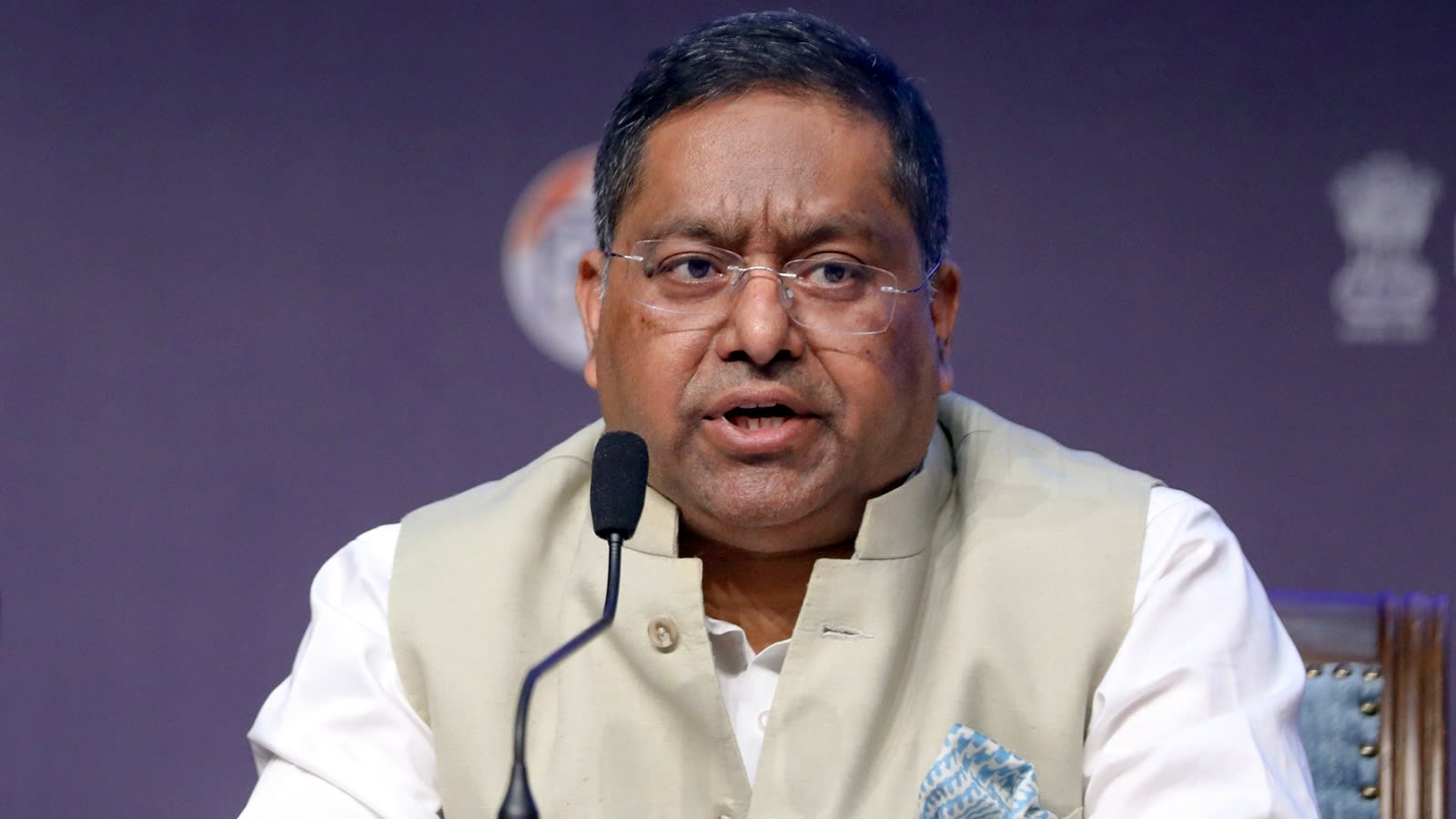
India has formally accused China of illegal land occupation and unauthorized infrastructure projects in J&K and Ladakh. Simultaneously, New Delhi dismissed Pakistani allegations that it is weaponizing water flow from the Chenab River to cause flooding.
India Addresses Border Sovereignty and Transboundary Water Tensions
Asserting Sovereignty Against Chinese Encroachment
In a significant diplomatic development, the Indian Ministry of External Affairs (MEA) has issued a stern critique regarding Chinese activities within Indian territories. Spokesperson Randhir Jaiswal explicitly stated that China is in "illegal occupation" of Indian lands in Jammu and Kashmir and Ladakh, a situation dating back to 1963. The MEA’s objection specifically targets Chinese-led infrastructure projects within these regions, framing them as a direct violation of India’s sovereignty. This stance underscores the persistent friction between the two nations, even as diplomatic channels attempt to maintain a dialogue regarding bilateral cooperation.
The Historical Context of the Border Dispute
The reference to 1963 is critical, as it points to the historical ceding of territory by Pakistan to China, which India has consistently rejected as legally invalid. By reasserting its claims, India is signaling that its territorial integrity remains a non-negotiable pillar of its foreign policy. While Chinese officials have recently emphasized "positive developments" and the necessity of coexistence between the two major powers, India’s firm stance indicates that economic and diplomatic cooperation cannot be decoupled from the fundamental issue of sovereignty.
Addressing Transboundary Water Disputes with Pakistan
Parallel to the tensions with China, India is navigating a separate diplomatic challenge involving Pakistan. Recent allegations from Pakistani media outlets suggest that India is intentionally causing flooding in the Punjab province by manipulating the flow of the Chenab River. These accusations follow severe weather events that have resulted in at least 37 deaths across the region. India has categorically rejected these claims as "baseless," attributing the increased water levels to intense monsoon rainfall over the upper catchments of the river.
The Role of the Indus Waters Treaty (IWT)
Despite the ongoing political volatility, the MEA confirmed that India continues to uphold its commitment to share high-flood data with Pakistan. This practice, conducted on humanitarian grounds, persists even amidst the perceived non-operational status of certain mechanisms within the Indus Waters Treaty. By sharing flood-related data—having done so at least 23 times in 2025—India aims to de-escalate regional tensions and demonstrate transparency in its management of shared river basins.
Future Trends in Regional Diplomacy
Looking ahead, India’s dual approach of firm territorial assertion and humanitarian cooperation suggests a strategy of "principled engagement." While New Delhi is unlikely to yield on sovereignty matters regarding China, the continued sharing of hydrological data with Pakistan indicates a preference for preventing humanitarian crises. The success of these policies will depend on whether neighboring nations choose to view these technical data exchanges as a foundation for broader stability or continue to leverage them for domestic political narratives. India remains positioned to defend its interests while maintaining the necessary communication lines to manage regional climate and border-related risks.
Multiple Citing Sources