Clean air needs targets, timelines and accountability
Source Entity
Zerin Osho
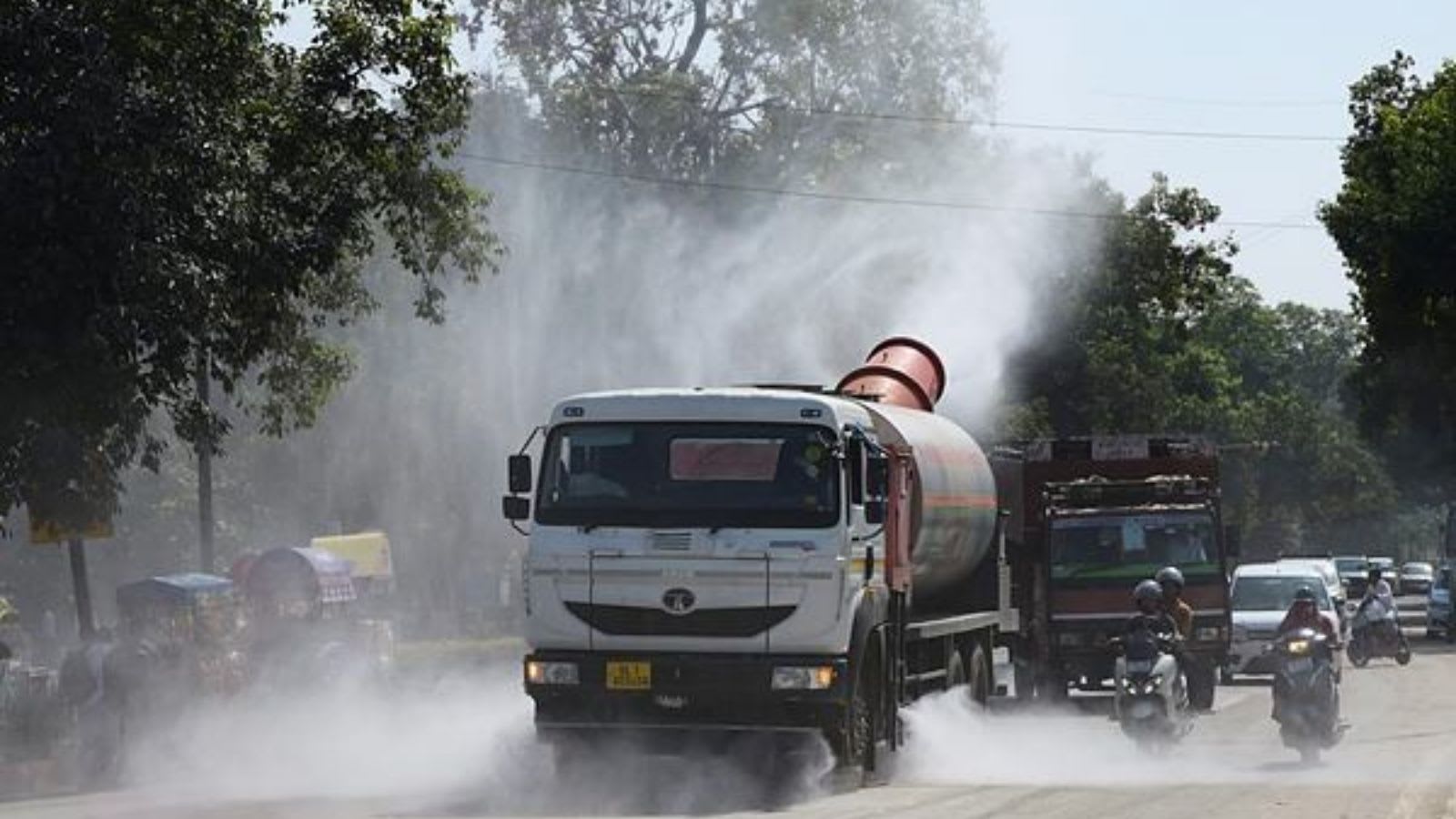
As winter approaches, air quality in Delhi and northern India has deteriorated to 'poor' levels, highlighting a persistent failure to achieve long-term improvements. Despite policy interventions like the Graded Response Action Plan, data indicates stagnant pollution trends and a cycle of seasonal amnesia in addressing toxic air.
The Seasonal Crisis: India’s Persistent Battle with Toxic Air
As the winter season approaches, northern India finds itself once again trapped in a familiar and hazardous environmental cycle. Recent data from the Central Pollution Control Board (CPCB) indicates that Delhi’s 24-hour average Air Quality Index (AQI) hit 232—categorized as 'poor'—on October 28, 2026. This decline reflects a broader regional malaise, with cities like Meerut, Noida, and Ghaziabad reporting similar degradation, while Panipat has already reached 'very poor' levels. This recurring phenomenon serves as a stark reminder that despite various policy interventions, the region remains highly susceptible to hazardous air quality.
The Failure of Existing Policy Frameworks
The persistence of poor air quality raises critical questions regarding the efficacy of current mitigation strategies, most notably the Graded Response Action Plan (GRAP). An analysis by the Centre for Research on Energy and Clean Air (CREA) reveals a sobering reality: there has been no consistent improvement in Delhi’s winter air quality over the past four years. The mean AQI has fluctuated significantly, rising from 280 in 2022-23 to 304 in 2023-24, dipping to 285, and climbing back to 295 in 2025-26. These figures suggest that current measures are failing to produce a downward trend in pollution, often serving as temporary bandaids rather than systemic solutions.
The Paradox of Progress: The Case of Lucknow
While the national capital struggles with stagnation, other regions present a more complex picture. The Union government’s Swachh Vayu Sarvekshan rankings recently crowned Lucknow as the top-performing million-plus city. Indeed, Lucknow has achieved a commendable reduction in annual average PM10 levels, dropping from 253 micrograms per cubic metre in 2017-18 to approximately 135 today. However, this success story is tempered by the fact that even at 135, the city's air quality remains more than double the national safety standard of 60, underscoring the massive gap between relative improvement and actual health safety.
The Cycle of Seasonal Amnesia
Experts argue that India suffers from a form of 'seasonal amnesia.' Public and administrative attention spikes when air quality reaches toxic levels—often coinciding with the onset of winter—but wanes as the seasons change, leading to a loss of momentum in policy enforcement. This cycle of reactive governance, rather than proactive, long-term planning, allows the crisis to manifest annually without fundamental changes to the industrial and logistical drivers of pollution.
Future Trends and Accountability
The path forward requires a shift from superficial rankings to rigorous accountability. If policy interventions like GRAP are to be effective, they must be paired with strict timelines and measurable targets that go beyond mere fluctuation. Without a consistent, year-round strategy that addresses the structural causes of pollution in North India, the region is likely to remain locked in a cycle where air quality improvements are ephemeral, and toxic air continues to threaten the lives and livelihoods of millions during the winter months.