‘Software glitch’ leads to billing chaos, man wins Rs 25,000 from Kerala Water Authority
Source Entity
Somya Tyagi
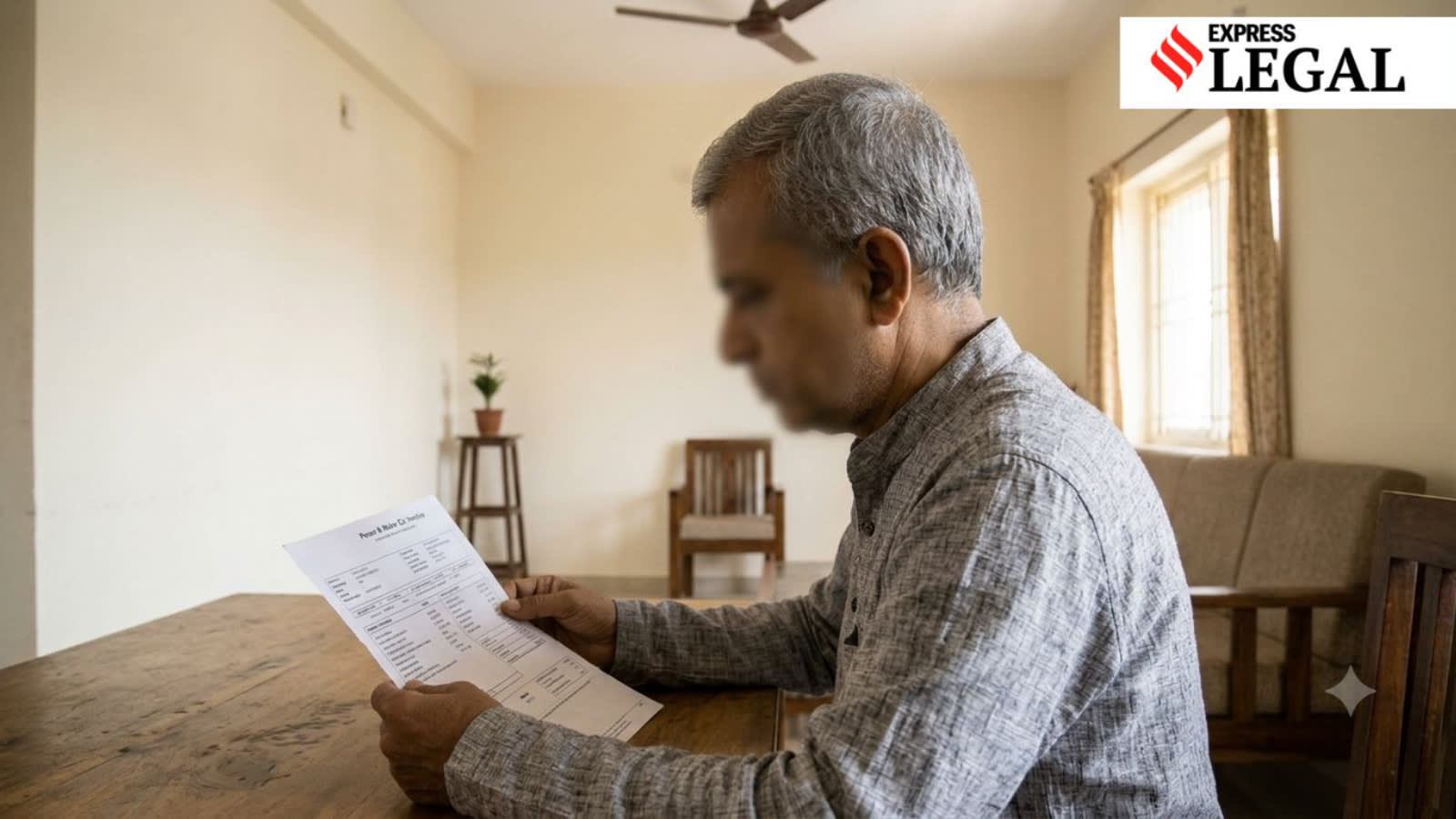
The Wayanad District Consumer Dispute Redressal Commission has penalized the Kerala Water Authority for billing irregularities caused by software errors. The authority must pay Rs 25,000 in compensation to a consumer for service deficiency.
Consumer Justice Prevails in Kerala Billing Dispute
In a significant ruling for consumer rights, the Wayanad District Consumer Dispute Redressal Commission has held the Kerala Water Authority (KWA) accountable for severe lapses in its billing processes. The commission, led by President Bindu R and members Beena M and A S Subhagan, determined that the authority failed to maintain accurate records, resulting in a chaotic billing experience for a local consumer. This verdict underscores the critical responsibility of public utilities to ensure technological systems do not infringe upon the rights of the citizens they serve.
The Anatomy of a Billing Failure
The dispute centered on a series of erratic billing cycles characterized by extreme fluctuations. The consumer reported receiving inflated bills that lacked transparency, followed by an inexplicable credit balance of Rs 13,380. The situation further deteriorated when the authority suddenly reversed its position, erasing the credit entry and issuing an arbitrary demand for Rs 7,412 in arrears. These discrepancies point to a systemic failure in the KWA's internal software management, which caused immense distress to the complainant.
Addressing the 'Software Glitch' Defense
The Kerala Water Authority attempted to attribute the inconsistencies to a "software glitch." However, the commission firmly rejected this as an excuse for poor service. The ruling highlighted that utility staff cannot remain "mechanical and idle" while managing consumer accounts. By failing to rectify errors before they escalated into financial demands, the KWA demonstrated a deficiency in service that the legal system deemed unacceptable, necessitating a compensation of Rs 25,000 for the victim.
Broader Implications for Public Utilities
This case serves as a cautionary tale for government agencies across India that are increasingly transitioning to digital billing platforms. While technology is intended to streamline operations, it also introduces the risk of opaque errors that can be difficult for the average consumer to challenge. The commission's decision emphasizes that the burden of proof regarding billing accuracy rests with the utility provider, not the customer. Utilities must implement robust verification protocols to prevent automated errors from impacting consumer finances.
Trends in Consumer Protection
As public services digitize, we are likely to see an increase in consumer disputes related to "algorithmic" or "software-driven" errors. Commissions are becoming more stringent, ensuring that public authorities do not hide behind technical jargon to avoid accountability. Future trends suggest that regulatory bodies will demand higher standards of transparency and human oversight in digital billing, ensuring that the convenience of automation does not come at the cost of administrative negligence.
Conclusion
The directive for the Kerala Water Authority to compensate the consumer is a victory for accountability. By penalizing the entity for its failure to manage its software effectively, the Wayanad commission has reaffirmed that technological advancements are not a substitute for due diligence. This ruling will likely set a precedent for similar cases, forcing public utilities to modernize their infrastructure with a consumer-centric approach rather than relying on flawed, automated processes.