India, China Corps Commander talks went on for 2 days: MEA
Source Entity
Amrita Nayak Dutta
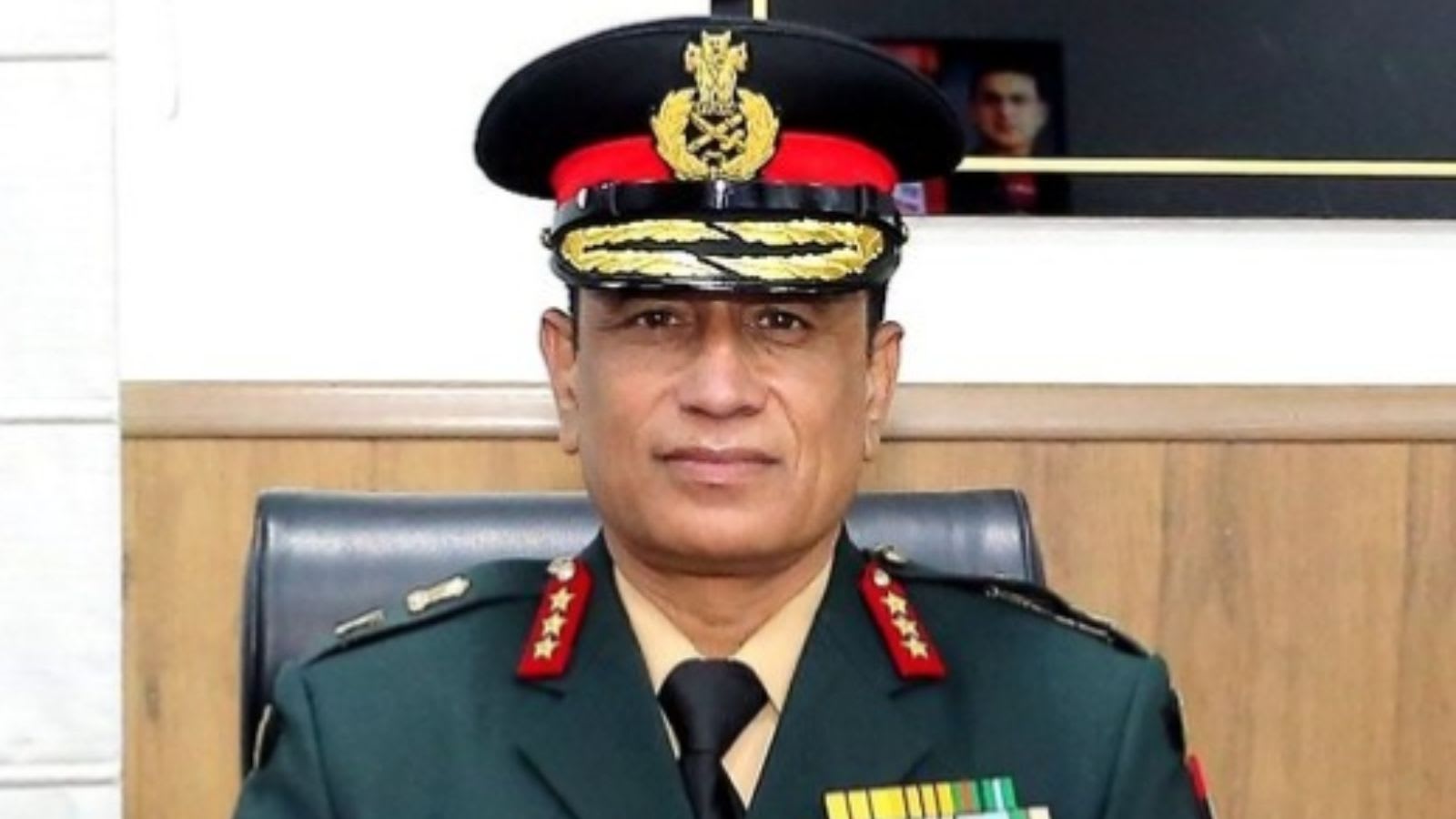
Indian and Chinese military commanders held their first-ever Corps Commander-level talks in the Arunachal Pradesh sector. The two-day dialogue, conducted across Wacha and Damai, aims to maintain stability along the Line of Actual Control.
Strategic De-escalation: India-China Military Dialogue
A Milestone in the Eastern Sector
In a significant development for bilateral relations, India and China have conducted their first-ever Corps Commander-level military talks in the eastern sector, specifically targeting the Arunachal Pradesh border area. This two-day engagement, held on September 6 and 7, represents a departure from previous diplomatic efforts by bringing high-level military leadership directly to the table to address regional friction points.
Operational Dynamics of the Talks
The meetings were structured into two distinct sessions to ensure parity and direct engagement on both sides of the border. The first session took place at Wacha on the Indian side, while the second session was hosted at Damai on the Chinese side. Lt. General Girish Kalia, commander of the Indian Army’s III Corps (Spear Corps), led the Indian delegation, meeting with his Chinese counterpart to discuss matters of mutual concern along the Line of Actual Control (LAC).
Contextualizing Tensions in Upper Subansiri
This dialogue follows a period of ongoing tensions specifically noted in the Taksing area of the Upper Subansiri district in Arunachal Pradesh. By elevating the communication channel to the Corps Commander level, both nations are attempting to institutionalize a mechanism for conflict resolution that mirrors efforts previously utilized in other sectors of the long, contested India-China border.
Diplomatic Alignment and Broader Implications
According to the Ministry of External Affairs spokesperson Randhir Jaiswal, these military-level discussions serve as a crucial follow-up to broader diplomatic engagements, including meetings between Special Representatives and established border coordination mechanisms. The timing of these talks, preceding major international forums like the BRICS summit, underscores a concerted effort by both New Delhi and Beijing to stabilize the frontier and prevent localized tactical friction from spiraling into strategic instability.
Historical Significance and Future Outlook
Historically, the eastern sector has seen various levels of border management protocols, but the introduction of a Corps Commander-level flag meeting signals a new level of maturity in crisis management. While neither side has disclosed the granular details of the discussions, the willingness to engage in a two-day, cross-border dialogue suggests a shared recognition that maintaining peace along the LAC is essential for broader geopolitical cooperation. Looking forward, the success of this mechanism will likely be measured by the reduction of localized provocations and the establishment of more predictable communication flows between the two militaries.
Multiple Citing Sources