India-China LAC face-off: Understanding the border tensions in Arunachal Pradesh
Source Entity
Divya A
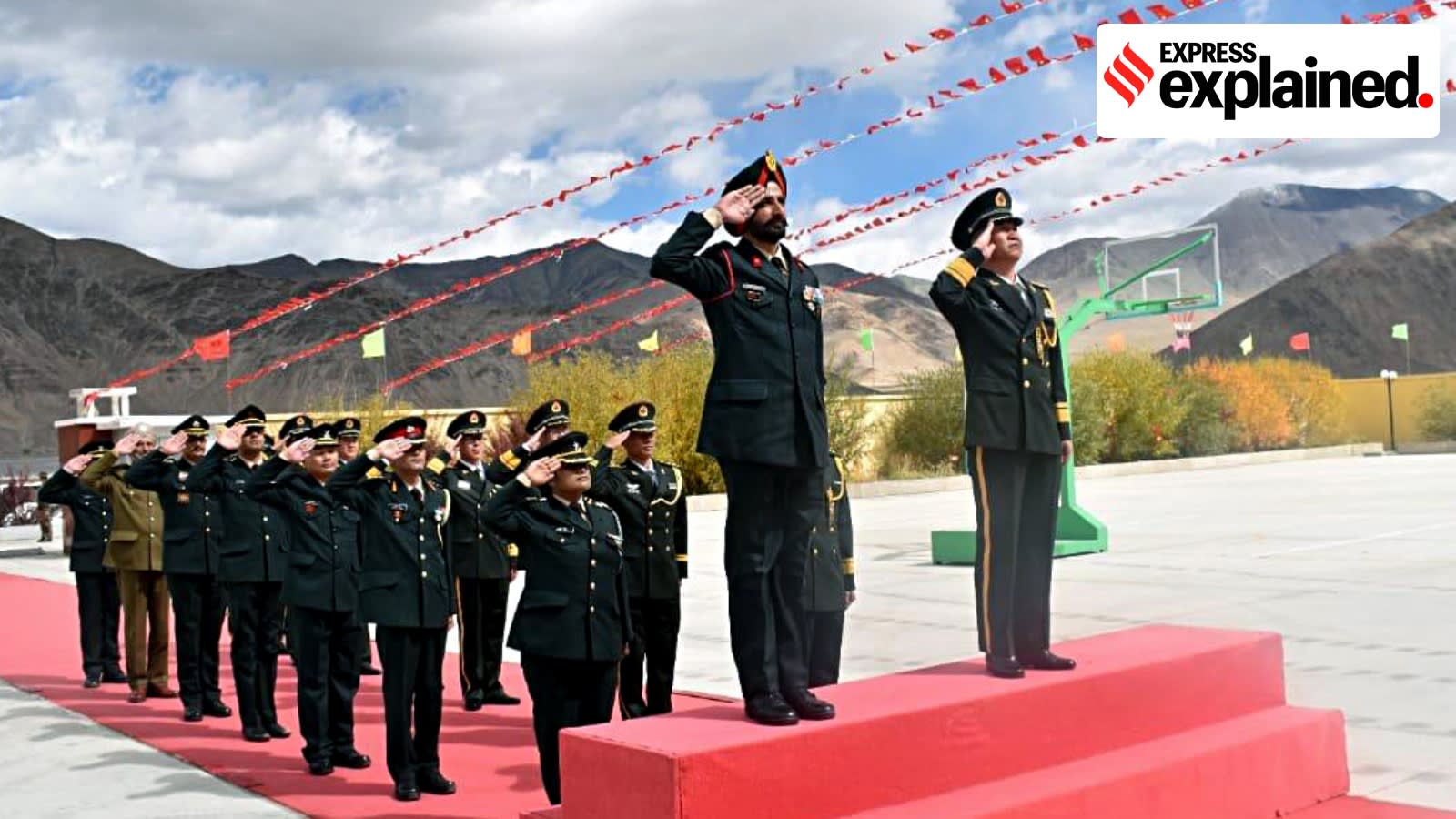
Tensions have escalated along the India-China border in Arunachal Pradesh due to PLA troop movements deviating from established patterns. Indian officials are utilizing diplomatic and military channels to manage these localized face-offs and maintain regional stability.
Border Tensions in Arunachal Pradesh: An Analytical Overview
Recent reports concerning localized face-offs between Indian and Chinese forces in the Arunachal Pradesh sector have brought the complex dynamics of the Line of Actual Control (LAC) back into focus. According to the Ministry of External Affairs (MEA) and confirmed by ITBP Director General Shatrujeet Kapur, these incidents, particularly near Asaphila and Taksing in the Upper Subansiri district, stem from Chinese forces deviating from historically established patrolling patterns. This friction highlights the ongoing volatility in border areas where perceptions of the LAC remain unaligned.
The Mechanics of Border Friction
The core of the current instability lies in the divergence of patrolling practices. The Indian government has emphasized that peace along the LAC is contingent upon adherence to mutually understood norms. When the People’s Liberation Army (PLA) ventures into pockets that India views as within its jurisdiction—such as the reported pitching of tents within 6-7 km of India's perception of the LAC—it creates immediate military friction. These deviations are not merely tactical maneuvers but are symptomatic of a broader disagreement regarding the demarcation of the border in the Eastern sector.
Strategic Implications of the Upper Subansiri Sector
The Upper Subansiri district holds significant strategic importance, and the increased activity there since late July 2026 indicates a shift in the operational environment. By engaging in face-offs at multiple locations, the PLA appears to be testing the limits of the status quo. For India, maintaining a robust presence in these high-altitude, rugged terrains is essential for national security, yet the challenge remains to prevent these localized encounters from escalating into broader military confrontations.
The Role of Diplomatic and Military Channels
MEA spokesperson Randhir Jaiswal has underscored that both nations are actively employing diplomatic and military mechanisms to resolve these outstanding issues. This tiered approach is designed to manage the 'perception gap' regarding the LAC. By focusing on improving the shared understanding of the border line, New Delhi aims to minimize misunderstandings that could lead to unintended skirmishes. This institutionalized dialogue is the primary safeguard against the spillover of localized tensions into wider conflict.
Future Trends and Bilateral Relations
Looking ahead, the development of bilateral relations between India and China remains inextricably linked to the tranquility of the border. India has made it clear that a stable border is a prerequisite for broader economic and political engagement. The future trajectory of these relations will likely depend on whether both sides can codify their patrolling patterns to avoid future friction. As India continues to bolster its infrastructure and surveillance capabilities in Arunachal Pradesh, the focus will remain on balancing defensive posture with the necessity of diplomatic de-escalation.
Conclusion
The situation in Arunachal Pradesh serves as a reminder of the fragility of peace in high-stakes border regions. While the current face-offs are localized, they represent a persistent challenge to regional stability. Through a combination of firm military presence and sustained diplomatic outreach, India continues to seek a resolution that honors its territorial integrity while preventing the escalation of border-related misunderstandings.
Multiple Citing Sources