Trump Behind Bars? Iran's Latest Anti-US Display Draws Crowds
Source Entity
NDTV News Search Records Found 1000
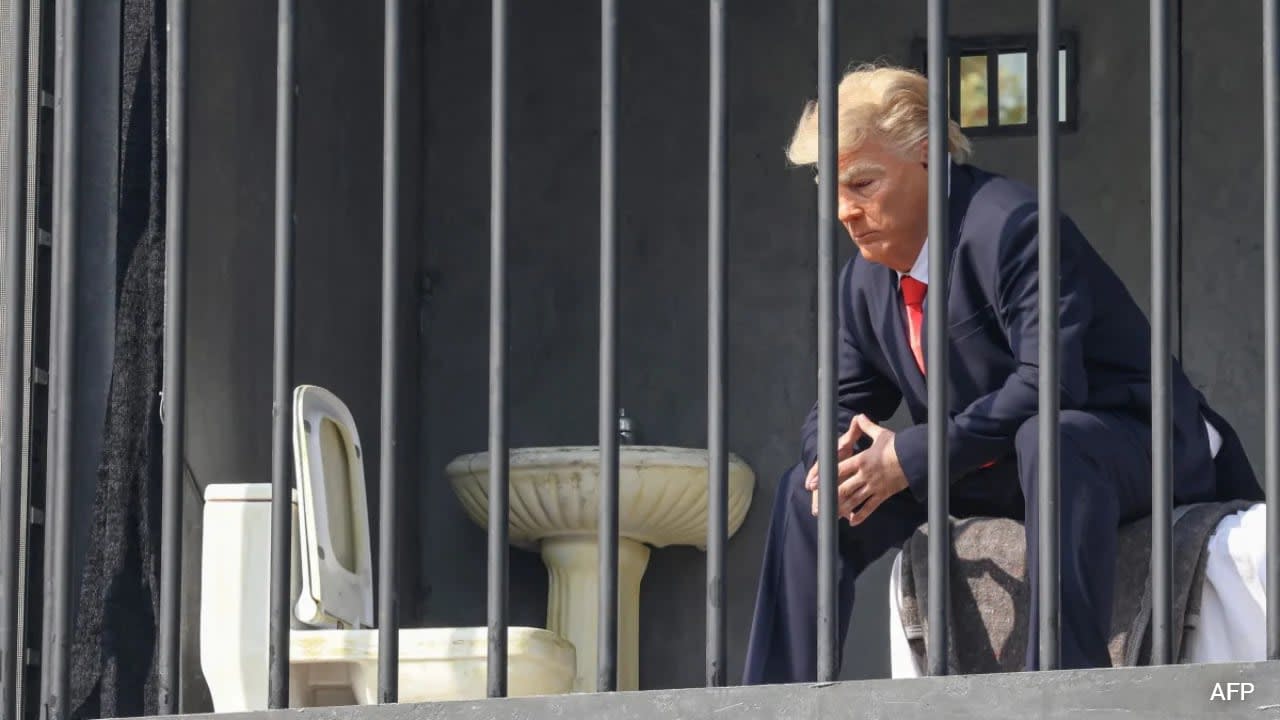
Tehran has installed a provocative billboard in Tajrish Square featuring a Trump impersonator in a mock prison cell. This display highlights escalating tensions between the U.S., Israel, and Iran following threats of potential military strikes.
Tensions Escalate: Tehran’s Provocative Billboard Campaign
In a striking visual display of geopolitical hostility, authorities in Tehran have erected a billboard in the bustling Tajrish Square featuring an actor wearing a Donald Trump mask. The installation depicts the U.S. leader behind the bars of a mock prison cell, where the impersonator is seen rattling the bars and resting inside the structure. This public performance piece serves as a visceral response to the heightened friction between the United States and Iran, particularly following a deadly strike on an Iranian wedding that has further inflamed anti-American sentiment within the country.
The Symbolic Nature of the Display
The choice of Tajrish Square—a high-traffic, prominent location in northern Tehran—underscores the regime's intent to capture public attention and solidify a narrative of defiance. By utilizing a physical performance in a billboard-integrated cell, the Iranian state is moving beyond traditional static propaganda, opting for a performative art style intended to mock the U.S. administration. This act functions as both a domestic morale-booster and a clear signal of psychological warfare directed at Washington, illustrating the depth of the current diplomatic impasse.
Contextualizing the Military Threat
This visual protest coincides with a period of extreme volatility in U.S.-Iran relations. Reports indicate that U.S. officials and regional allies, particularly Israel, have been signaling the possibility of military action. U.S. Ambassador to Turkey Tom Barrack recently noted that a strike could be imminent, adding weight to the fears of a broader regional conflict. While Barrack clarified that President Trump remains theoretically open to negotiations, the rhetoric from both Washington and Tehran suggests that the window for diplomacy is rapidly closing as military posturing takes center stage.
The Role of Regional Alliances
Israel’s involvement adds another layer of complexity to the standoff. Prime Minister Benjamin Netanyahu, currently navigating a critical election cycle, has intensified his public stance against Iran’s clerical leadership. By aligning with U.S. threats and vowing to undermine the Iranian regime, Israel has become a central player in the narrative of potential escalation. This triangulation—Washington, Tehran, and Tel Aviv—creates a dangerous feedback loop where threats of strikes on Iranian infrastructure, including specific warnings regarding Gulf internet cables, keep the region on a knife-edge.
Future Trends and Diplomatic Hurdles
The situation remains fluid, with the potential for sudden military escalation remaining high. As the U.S. maintains its 'maximum pressure' campaign, Iran’s reliance on symbolic displays like the Tajrish Square billboard serves to deflect internal criticism while signaling resolve to the international community. Future developments will likely depend on whether the rhetoric from U.S. envoys translates into kinetic action or if a last-minute diplomatic channel can be established to de-escalate the threats of a weekend strike.
Conclusion
The presence of a mock prison cell in the heart of Tehran is a potent symbol of the current breakdown in U.S.-Iran relations. As military rhetoric from the U.S. and Israel reaches a fever pitch, the visual messaging in Tehran reflects a regime prepared for a protracted struggle. Whether these events culminate in military action or remain a theater of political posturing, the environment remains one of the most volatile in contemporary international politics.
Multiple Citing Sources
Verification Required?