28 Indians onboard Mozambique-flagged vessel safe after attack in Iranian territorial waters
Source Entity
India Latest News: Top National Headlines Today & Breaking News | The Hindu
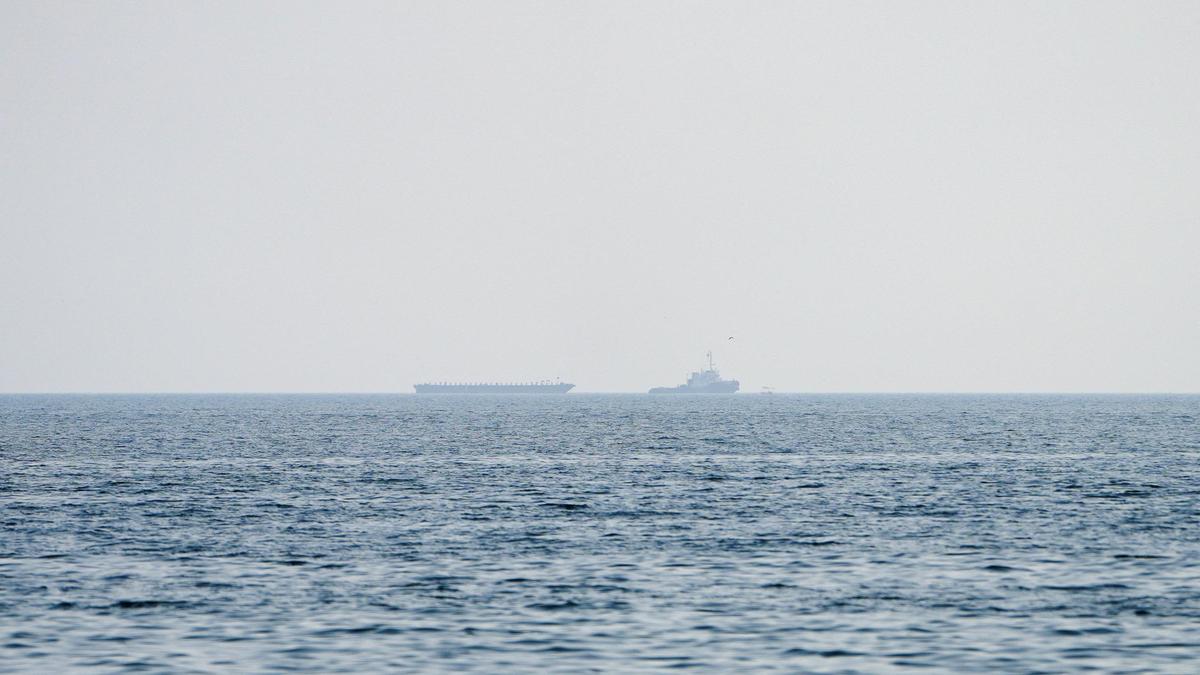
India has strongly condemned the attack on the Marshall Islands-flagged merchant vessel MV Omorfi in the Black Sea, which resulted in the death of an Indian seafarer. While Russia claims the ship carried military supplies, India maintains it was transporting grain and has officially protested the incident with Moscow.
The Tragic Attack on MV Omorfi: A Geopolitical Flashpoint
On July 18, the commercial maritime sector was rocked by a lethal attack on the MV Omorfi, a Marshall Islands-flagged bulk carrier transiting the Black Sea. The vessel, which carried a crew of 10 including three Indian nationals, was reportedly struck while navigating within Russian territorial waters. This incident resulted in the tragic death of one Indian seafarer, an event that has since triggered a significant diplomatic standoff between New Delhi and Moscow.
The Diplomatic Fallout and Official Stance
The Indian Ministry of External Affairs (MEA) issued a firm condemnation of the strike, labeling attacks on commercial shipping as "unacceptable." The gravity of the situation was underscored by External Affairs Minister S. Jaishankar, who raised the issue directly with his Russian counterpart, Sergey Lavrov. Furthermore, India took the rare step of summoning a senior Russian diplomat in New Delhi to lodge an official protest, signaling deep dissatisfaction with the risks posed to Indian nationals engaged in global maritime trade.
Conflicting Narratives: Grain vs. Military Supplies
A critical point of contention in this incident is the nature of the ship’s cargo. The Kremlin has defended the missile strike, asserting that Russian forces were targeting the vessel based on intelligence suggesting it was transporting military supplies intended for Ukraine. Conversely, the Indian government has categorically refuted these claims, maintaining that the MV Omorfi was carrying grain, a vital commodity for global food security. This discrepancy highlights the volatile nature of the Black Sea as a theater of war where commercial vessels are increasingly caught in the crossfire.
Broader Implications for Global Maritime Security
The attack on the MV Omorfi serves as a grim reminder of the fragility of maritime corridors during active conflict. By targeting a vessel in international or contested waters, the incident threatens the "uninterrupted flow of global commerce," a pillar of international maritime law that India has consistently championed. The safety of seafarers—who are often neutral participants in these conflicts—is now at the forefront of international concern, as maritime unions and nations alike demand greater protections for civilian crews.
Historical Context and Future Trends
Since the escalation of the conflict in Ukraine, the Black Sea has become a high-risk zone for merchant shipping. Historically, grain corridors have been subject to complex negotiations, and this attack threatens to undermine the fragile stability that allows food exports to reach global markets. Moving forward, we can expect increased pressure on international bodies to enforce maritime safety protocols. If commercial vessels continue to be targeted, it may lead to higher insurance premiums, disrupted supply chains, and a potential shift in global trade routes to avoid the Black Sea entirely.
Conclusion
The death of the Indian seafarer on the MV Omorfi is more than a localized tragedy; it is a complex diplomatic challenge that pits the reality of war against the necessity of global trade. As India continues to advocate for the safety of its citizens and the sanctity of maritime navigation, the incident will likely remain a focal point of India-Russia relations. The world will be watching to see if diplomatic pressure can prevent further escalation and ensure that civilian seafarers are not treated as collateral damage in regional power struggles.
Multiple Citing Sources
Verification Required?