Another Indian seafarer killed in Black Sea strike; LPG carrier comes under fire near Iran
Source Entity
Latest News: Todays Latest News Headlines from India & World | Hindustan Times | Hindustan Times
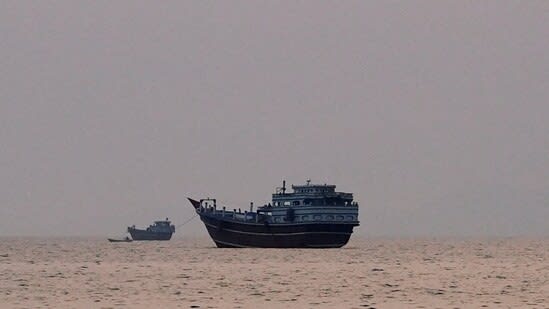
India has condemned a deadly attack on the merchant vessel MV Omorfi in the Black Sea that resulted in the death of an Indian seafarer. While Russia claims the ship carried military supplies, India maintains the vessel was transporting grain and has lodged an official diplomatic protest.
The Tragic Attack on MV Omorfi: A Diplomatic and Maritime Crisis
On July 18, the commercial maritime sector was shaken by a lethal incident in the Black Sea involving the Marshall Islands-flagged bulk carrier, the MV Omorfi. The vessel, which carried a crew of ten, including three Indian nationals, was reportedly struck while navigating through Russian territorial waters. The attack resulted in the tragic death of one Indian seafarer, an incident that has prompted immediate and stern condemnation from the Indian Ministry of External Affairs (MEA).
Conflicting Narratives and Diplomatic Friction
The incident has sparked a significant diplomatic rift between New Delhi and Moscow. While the Kremlin has defended the missile strike, asserting that the vessel was targeted due to suspicions that it was transporting military supplies for Ukraine, the Indian government has vehemently refuted these claims. According to official statements from New Delhi, the MV Omorfi was carrying grain, a vital commodity for global food security. This discrepancy highlights the volatile nature of the Black Sea transit routes, where commercial shipping is increasingly caught in the crossfire of geopolitical maneuvers.
India’s Diplomatic Response
In response to the loss of life, the Indian government has taken decisive diplomatic action. External Affairs Minister S. Jaishankar has raised the issue directly with his Russian counterpart, Sergey Lavrov, emphasizing the unacceptability of targeting commercial shipping. Furthermore, Delhi has summoned a senior Russian diplomat to lodge a formal protest. This move underscores India’s commitment to protecting its citizens abroad and its insistence on the sanctity of international maritime laws that safeguard merchant vessels during active conflicts.
Broader Implications for Global Maritime Security
The attack on the MV Omorfi serves as a grim reminder of the fragility of maritime navigation in conflict zones. The Black Sea has become a theater of high-stakes tension where the line between military targets and civilian commercial interests is frequently blurred. By targeting vessels based on intelligence-driven assumptions of military utility, parties to the conflict risk further destabilizing global supply chains and endangering the lives of international crews who are not combatants.
International Obligations and Future Trends
India’s stance reflects a broader call for all parties to uphold international obligations regarding maritime safety and the uninterrupted flow of global commerce. As the conflict in the region persists, the risk to commercial shipping remains high. Future trends suggest that merchant vessels may face increased scrutiny, higher insurance premiums, and more restrictive transit protocols, further complicating the logistics of grain and essential goods transport. The international community is now watching closely to see if Russia will offer compensation or assurances to prevent future escalations against civilian-crewed ships.
Conclusion
The death of the Indian seafarer on the MV Omorfi is a tragic consequence of the ongoing hostilities in the Black Sea. While the remaining two Indian crew members are reported safe, the incident has solidified India’s demand for accountability and safety for maritime workers. As diplomatic discussions continue, the focus remains on ensuring that commercial vessels are shielded from the direct impacts of the war, preserving the essential movement of goods across global waters.
Multiple Citing Sources
Verification Required?