Grain, not guns: MEA rejects Russia's claim on deadly ship attack that killed 4 Indians
Source Entity
TOI NEWS DESK
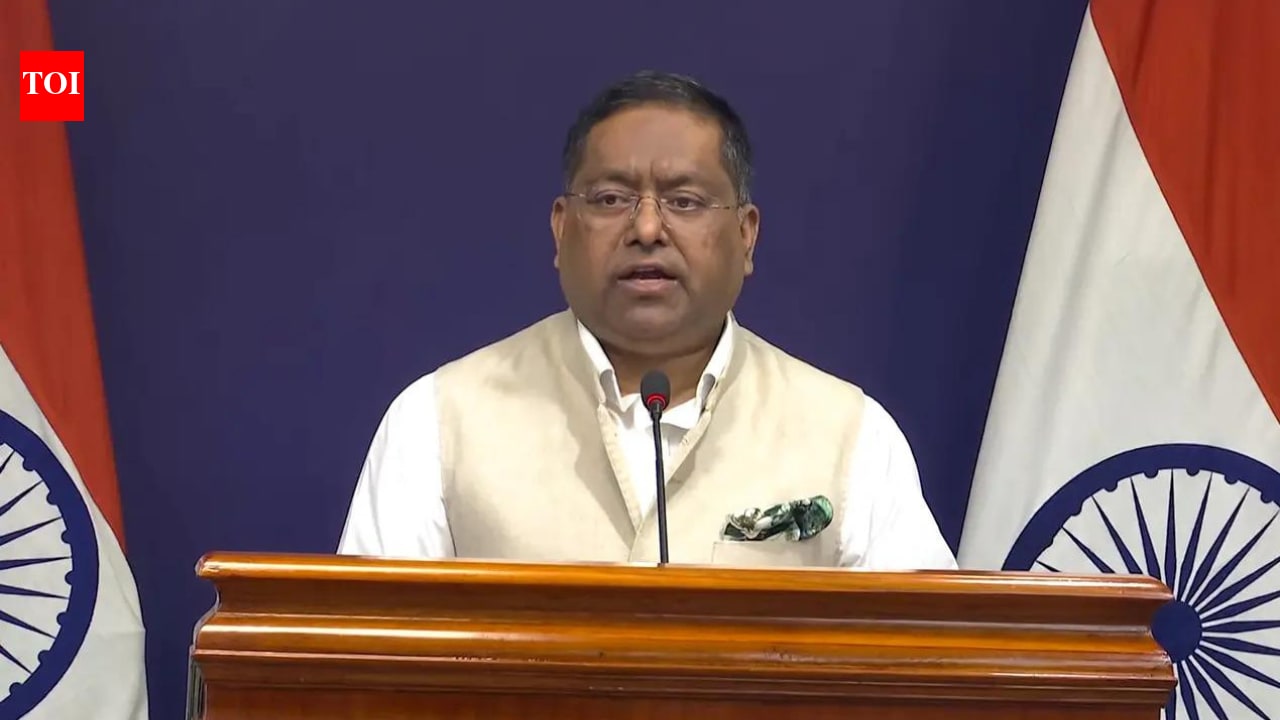
India has strongly condemned the fatal attack on the merchant vessel MV Omorfi in the Black Sea, which resulted in the death of an Indian seafarer. New Delhi has refuted Russian claims that the vessel carried military supplies, confirming it was transporting grain, and has lodged an official diplomatic protest.
Tragedy in the Black Sea: India Demands Accountability
On July 18, the commercial maritime sector was shaken by a fatal attack on the Marshall Islands-flagged bulk carrier, the MV Omorfi. While transiting through the Black Sea, reportedly within Russian territorial waters, the vessel came under fire, resulting in the tragic death of an Indian national. The crew of 10, which included three Indian citizens, was thrust into the center of an escalating geopolitical conflict that continues to threaten global supply chains.
The Diplomatic Fallout
The Indian Ministry of External Affairs (MEA) has issued a stern condemnation of the incident, labeling attacks on commercial shipping as 'unacceptable.' In a display of diplomatic resolve, New Delhi has summoned a senior Russian diplomat to lodge an official protest. Furthermore, External Affairs Minister S. Jaishankar has directly engaged with Russian Foreign Minister Sergey Lavrov to address the targeting of civilian vessels and the loss of Indian life, underscoring the gravity with which India views the safety of its seafarers.
Disputed Cargo and the Narrative Gap
A critical point of contention in this incident is the nature of the MV Omorfi’s cargo. The Kremlin has attempted to justify the strike by alleging that the vessel was transporting military supplies intended for Ukraine. However, Indian authorities have firmly refuted these claims, asserting that the vessel was carrying grain. This discrepancy highlights the perilous environment for neutral merchant ships, where the mere suspicion of logistical support can result in lethal military action.
Implications for Global Maritime Security
The attack on the MV Omorfi serves as a grim reminder of the volatility in the Black Sea region. As Russia continues its military campaign, the safety of maritime navigation remains compromised. By targeting vessels based on intelligence-driven assumptions, the conflict risks transforming commercial shipping lanes into active combat zones. India’s insistence on the 'uninterrupted flow of global commerce' reflects a broader international concern regarding food security and the protection of civilian maritime workers.
Historical Context and Future Trends
Historically, the Black Sea has been a vital artery for global trade, particularly for agricultural exports. The ongoing escalation threatens to deter merchant vessels from entering the region, potentially driving up insurance premiums and exacerbating global supply chain disruptions. Moving forward, the incident is likely to force a reassessment of maritime security protocols. India’s proactive stance suggests a shift toward more assertive protection of its citizens serving in international waters, potentially setting a precedent for how nations respond when their seafarers are caught in the crossfire of regional conflicts.
Conclusion
The death of the Indian seafarer on the MV Omorfi is a tragic consequence of the broader regional instability. As the dust settles, the focus remains on India’s diplomatic efforts to secure justice and ensure that commercial shipping lanes are respected. The incident serves as a cautionary tale for the global community, emphasizing that in an era of heightened geopolitical tension, the protection of non-combatant vessels and personnel must remain a paramount international obligation.
Multiple Citing Sources