Hyderabad man wins Rs 9,949 payout after provider fails to restore internet service
Source Entity
Vineet Upadhyay
Recent rulings by Indian consumer commissions have held major service providers, including Reliance Jio, SBI, and international airlines, accountable for service deficiencies. These cases highlight a growing trend of consumer protection enforcement against corporate negligence and unfair trade practices.
Consumer Justice: Holding Corporations Accountable in India
Recent verdicts delivered by various District Consumer Disputes Redressal Commissions across India underscore a significant shift in consumer empowerment. In three distinct cases, major entities—Reliance Jio Infocomm, the State Bank of India (SBI), and a coalition of international airlines—were found deficient in their service obligations. These rulings serve as a potent reminder that service providers, regardless of their market dominance, remain strictly liable for failures that inflict financial and emotional distress upon their customers.
The Reliance Jio Case: Unfair Trade Practices
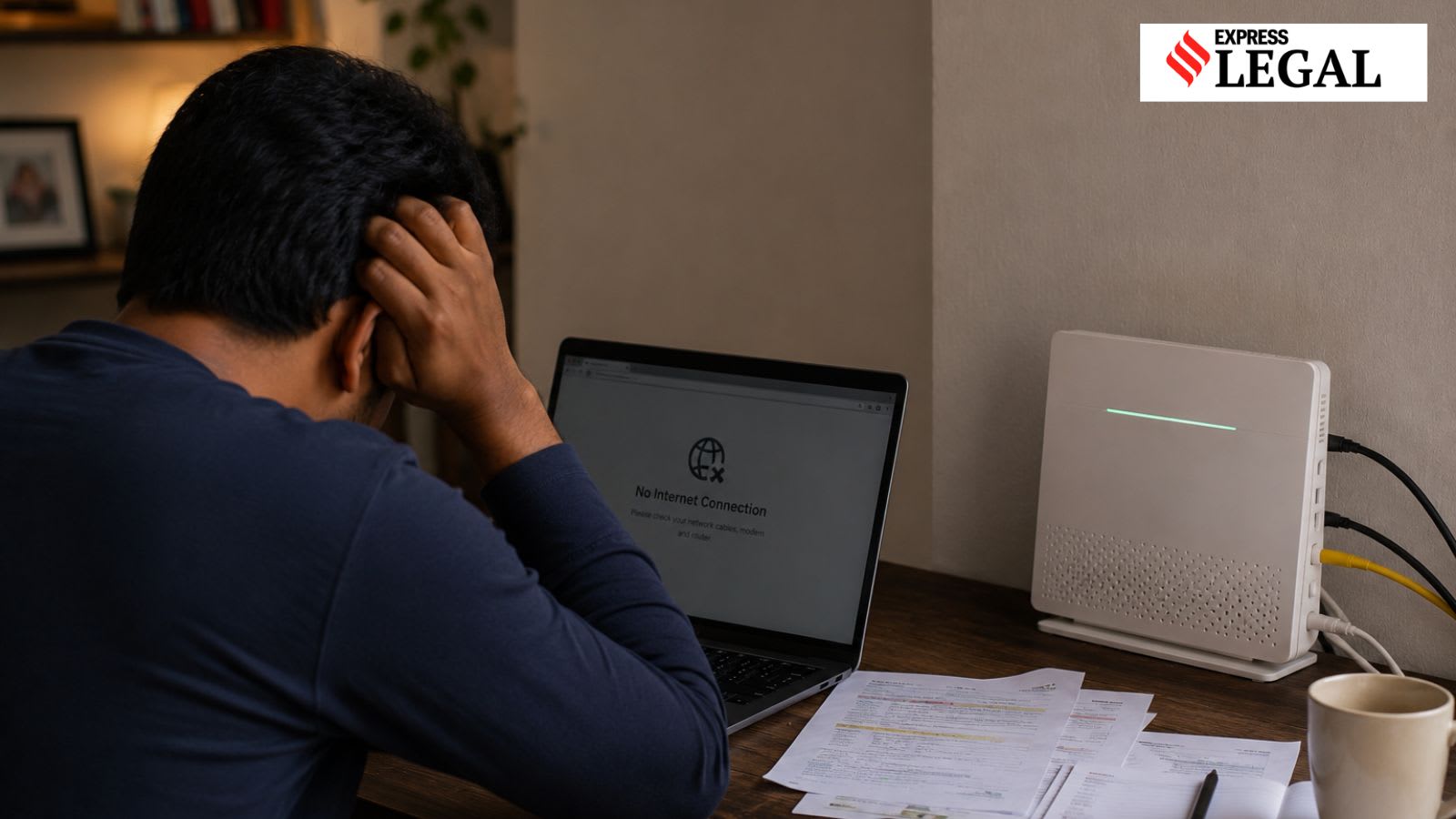
In Telangana, the Ranga Reddy District Consumer Disputes Redressal Commission ruled against Reliance Jio Infocomm regarding a service dispute. The commission found the provider guilty of unfair trade practices for collecting fresh payments to reactivate internet services that were never restored. Crucially, the commission noted the lack of documentary evidence from the service provider, establishing a precedent that companies cannot simply withhold refunds or services without providing proof of their claims, such as attempted equipment recovery or technician visits.
Banking Accountability and Employer Liability
In a separate case in Rohtak, Haryana, the State Bank of India faced severe scrutiny after a customer reported missing deposits and fraudulent withdrawals. The commission held that the bank, as an employer, is fundamentally liable for the actions of its staff. By ordering a full refund of Rs 1.62 lakh plus compensation, the forum reinforced the principle that customers should not bear the financial burden of internal institutional failures or employee misconduct within the banking sector.
Aviation Negligence and Global Travel
Travelers are also seeing stronger protections, as evidenced by the Chandigarh Consumer Disputes Redressal Commission’s ruling against IndiGo and Turkish Airlines. The joint liability imposed on these carriers for failing to provide alternate arrangements for a student traveling to the US highlights the burden airlines carry when they cause travel disruptions. By mandating both a refund and compensation, the commission addressed the 'mental agony' caused to passengers who were denied boarding without proper notification.
Broader Implications for Consumer Rights
These cases collectively signal an era of heightened judicial scrutiny toward service providers. The recurring theme across these rulings is the rejection of 'corporate opacity.' Whether it is a bank failing to secure accounts or a telecom provider ignoring service restoration, these commissions are increasingly demanding transparency and accountability. The shift suggests that consumers are more willing to seek legal redress, and commissions are more willing to penalize entities that fail to uphold basic contractual obligations.
Future Trends in Dispute Resolution
As digital services and international travel continue to integrate into daily life, the volume of consumer grievances is likely to rise. The trend toward awarding both restitution and additional compensation for 'mental agony' serves as a deterrent against corporate apathy. We can expect future consumer law to favor more stringent documentation requirements for companies, ensuring that the burden of proof rests squarely on the service provider rather than the individual consumer.