Standard Chartered: Oil Markets Must Now Price Two Middle East Chokepoints
Source Entity
Yahoo Finance
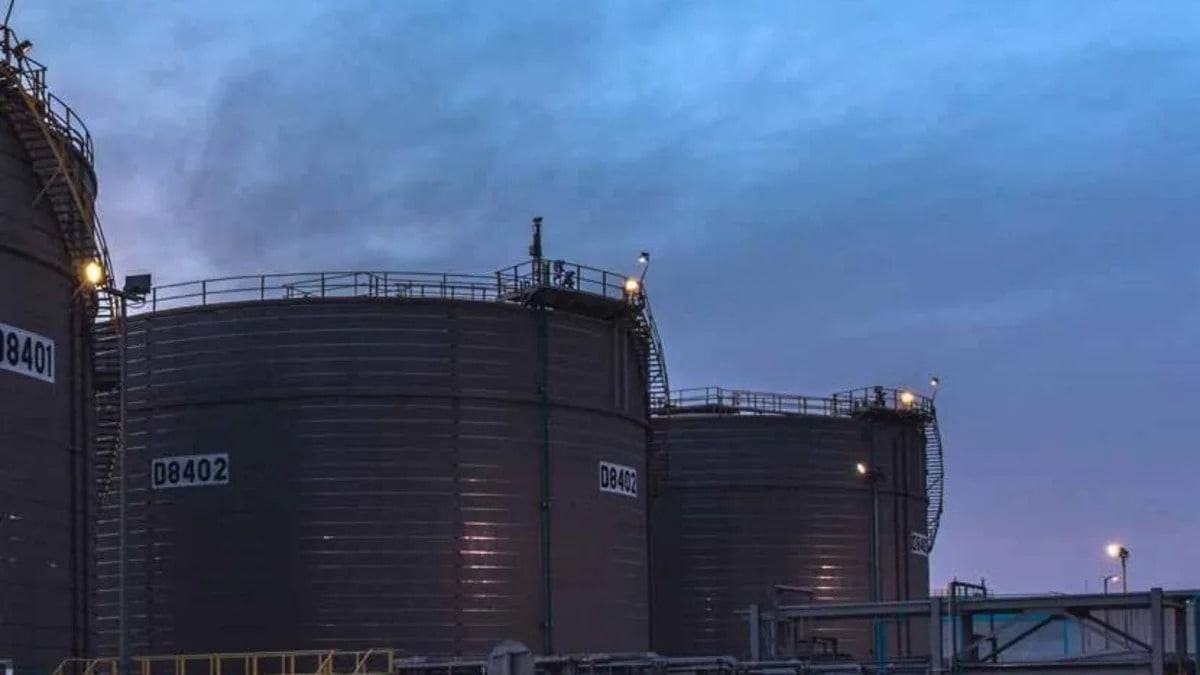
Oil prices retreated as diplomatic efforts led by Pakistan and China aim to revive U.S.-Iran nuclear talks. Despite this, Standard Chartered warns that market risks remain elevated due to dual threats at the Strait of Hormuz and the Bab el-Mandeb Strait.
The Dual-Chokepoint Threat to Global Energy Security
Recent volatility in the global oil markets reflects a heightened state of geopolitical anxiety. While Brent and WTI crude prices experienced a notable decline—falling 4.4% and 3.6% respectively—this pullback is likely a temporary reaction to diplomatic news rather than a shift in structural risk. The market is currently oscillating between hope for de-escalation and the stark reality of supply chain vulnerabilities in the Middle East.
The Role of Diplomacy in Market Stabilization
The temporary dip in oil prices was catalyzed by reports of renewed diplomatic efforts to restart U.S.-Iran nuclear negotiations, with Pakistan acting as a broker. China’s vocal support for these talks underscores the urgency of the situation; as a major importer, China is acutely sensitive to any disruption in energy flows. For Beijing, the stability of the Strait of Hormuz is not merely a regional concern but a fundamental pillar of its national economic security strategy.
Expanding Risk: Beyond the Strait of Hormuz
Standard Chartered has issued a cautionary outlook, arguing that the market is underestimating the geographical expansion of risk. Historically, oil markets have focused primarily on the Strait of Hormuz as the primary point of failure. However, the emergence of a targeted maritime blockade by Yemen’s Houthi militants against Saudi-linked vessels signifies that the crisis has spread to a second critical chokepoint. This evolution effectively doubles the strategic exposure for global energy transit.
The Economic Implications of Maritime Blockades
The threat to enforce blockades against Saudi-linked vessels introduces a new layer of complexity for shipping insurers and logistics providers. When major transit corridors are contested, the immediate consequence is a rise in war-risk premiums, which inevitably filters down into the final cost of crude oil. If these blockades persist or intensify, the logistical friction will force tankers to seek alternative, less efficient routes, permanently altering the cost structure of global oil distribution.
Future Trends and Market Outlook
Looking ahead, the interplay between diplomatic mediation and militant activity will define the volatility of the coming quarter. While the market reacted favorably to the prospect of nuclear talks, the physical reality on the ground—characterized by dual-chokepoint threats—suggests that the floor for oil prices remains high. Investors should anticipate continued sensitivity to any escalation in the Red Sea or the Persian Gulf, as the transition from a single-point to a multi-point risk environment complicates the ability of international powers to guarantee the freedom of navigation.
Conclusion
In summary, while diplomatic overtures provide a brief respite for traders, the underlying structural threats to energy transit remain unresolved. The integration of the Houthi-led blockade into the broader risk assessment for oil markets marks a significant escalation in regional instability. As such, the market must now prepare for a future where energy security is challenged by multiple, simultaneous geopolitical friction points.